

Chè Ba Màu (Vietnamese Three-Colour Dessert)
Layered dessert with beans, pandan jelly, coconut milk and ice

An occasion is less about what you cook and more about how the food needs to behave: can it sit out, travel well, scale up, or feel special on the plate? Browsing by occasion helps you choose recipes that match the moment, whether that is a quick weeknight, a relaxed picnic, or a holiday table with traditions and timing to consider. Start with the occasion, then build a menu around it by balancing make-ahead dishes, last-minute cooking, and the way you plan to serve everyone.
Occasion groups recipes by the situation they suit, not by cuisine, season, or level of effort. A BBQ points you towards food that copes with outdoor heat and live fire, while a potluck leans towards dishes that hold their texture and taste after a journey. Some occasions are calendar-based, such as Christmas, Eid, Ramadan, Chinese New Year and Thanksgiving, where timing and tradition often shape the meal. Others describe the mood or format, like movie night, game day, date night, or family dinner. ‘Everyday’ sits alongside these as a useful baseline: recipes that fit ordinary routines without needing a special set-up.
Layered dessert with beans, pandan jelly, coconut milk and ice
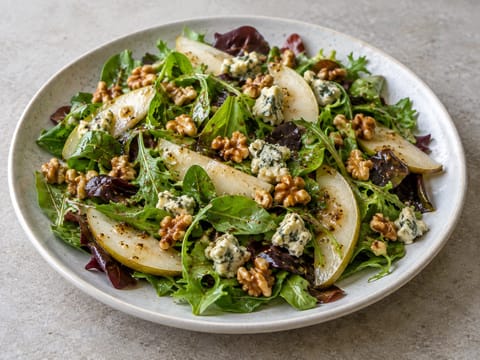
Salad with Stilton, pear and toasted walnuts
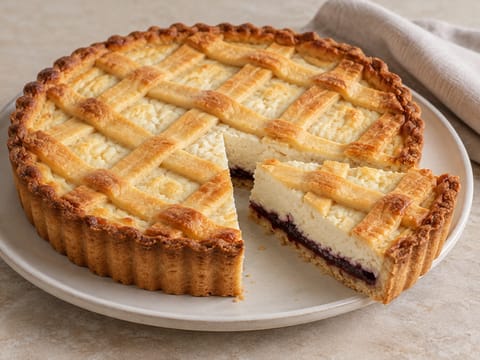
Shortcrust tart with sweet ricotta and sour cherry jam
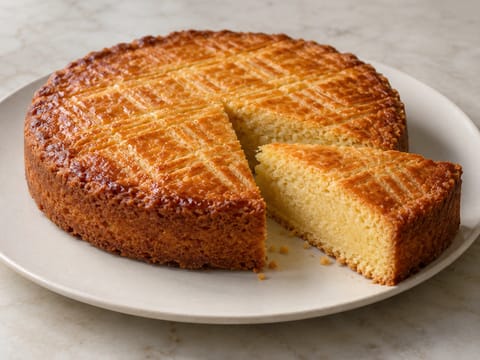
Dense Breton butter cake with vanilla and egg yolks
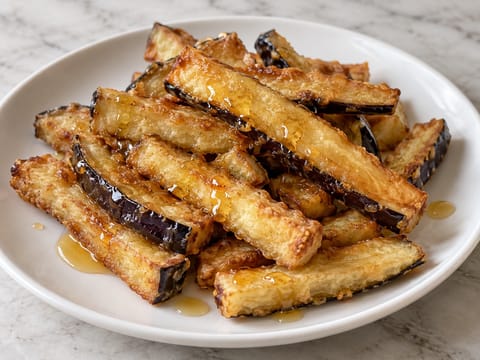
Crisp fried aubergine batons finished with honey and salt
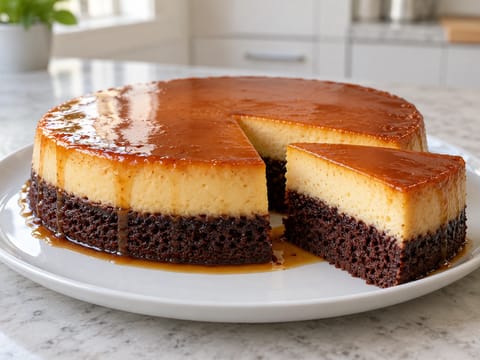
Caramel chocoflan with vanilla flan and chocolate sponge
If you are feeding people at different times, start with occasions that favour room-temperature serving and easy portioning, such as picnic or potluck. When the cooking is happening while guests are present, look for occasions that naturally support a mix of hands-off and hands-on dishes, such as BBQ or weekend, so you can stagger what needs attention. For a smaller, more focused meal, date night is a helpful cue to choose recipes that plate neatly and come together in a calm sequence. For households, family dinner and kids friendly tend to point you towards familiar flavours and straightforward serving. For holidays and religious observances, choose the specific occasion so you can build a menu that respects the shape of the day, from lighter dishes to more celebratory centrepieces.
Layered dessert with beans, pandan jelly, coconut milk and ice
Crisp fried aubergine batons finished with honey and salt
Caramel chocoflan with vanilla flan and chocolate sponge
Dense Breton butter cake with vanilla and egg yolks
Salad with Stilton, pear and toasted walnuts
Shortcrust tart with sweet ricotta and sour cherry jam
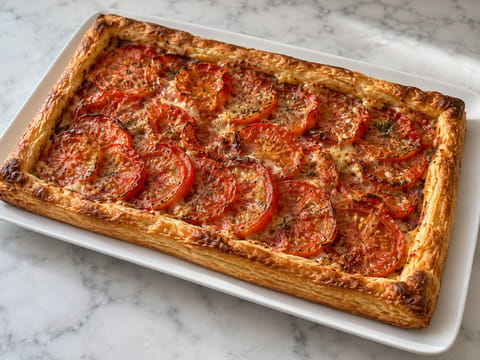
Puff pastry tart with Dijon mustard, tomatoes and Gruyère
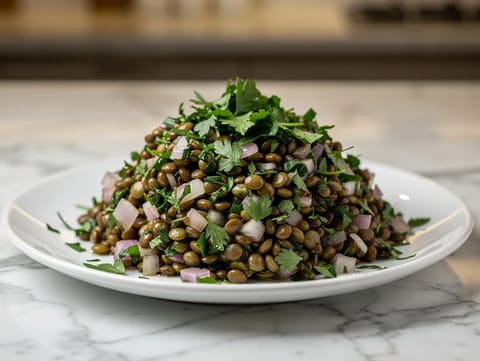
Warm French lentil salad with mustard dressing, shallot and parsley
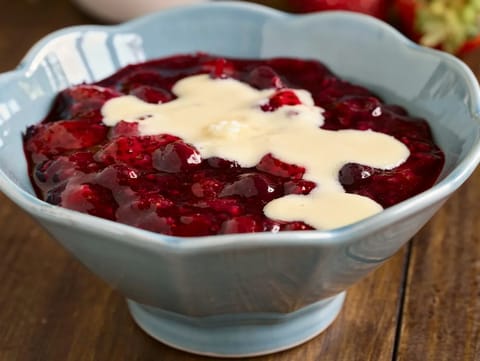
Chilled German red berry pudding thickened with cornflour
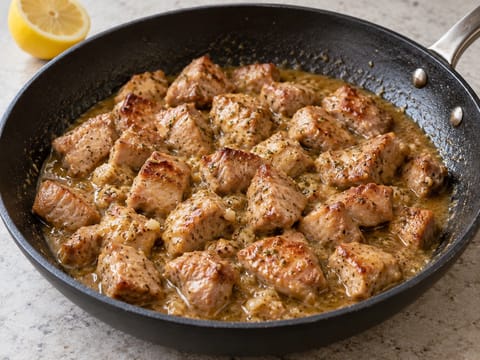
Pan-fried pork with lemon and mustard sauce
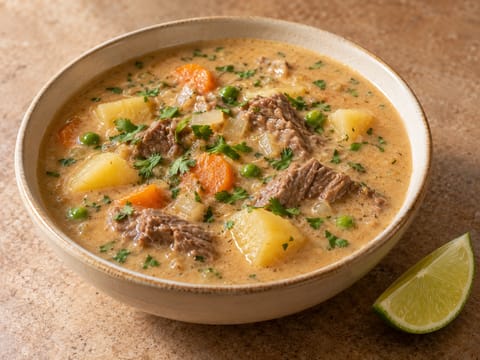
Bolivian peanut soup with beef and potatoes
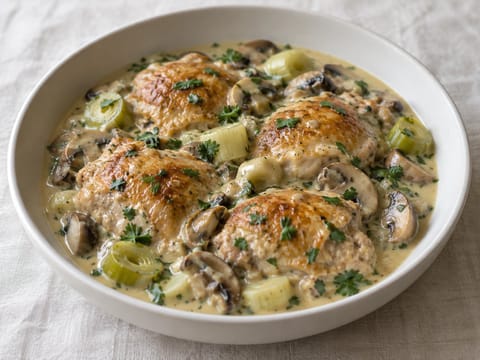
Chicken fricassée with mushrooms in a white wine cream sauce
Occasion is a practical menu-planning tool because it hints at the serving pattern. For a spread-style occasion (game day, movie night, potluck), aim for contrast: something crisp or fresh, something rich, and at least one dish that can sit without losing its appeal. For sit-down occasions (family dinner, date night, many holiday meals), think in courses: a starter that can be made ahead, a main that uses the oven or hob at a predictable moment, and a side that fills gaps in colour and texture. Outdoor occasions benefit from a clear division between grill or fire items and supporting dishes that can be finished indoors. When in doubt, choose one “anchor” dish that defines the occasion, then add supporting recipes that travel, hold, or reheat in a way that suits your plan.
If you have the occasion in mind but not the style of food, browsing by Season helps you choose dishes that feel right for the weather and what is typically at its best. For menu structure, Course is the quickest way to round out the table, especially when you already have a main idea and need sides, starters or something sweet to finish.
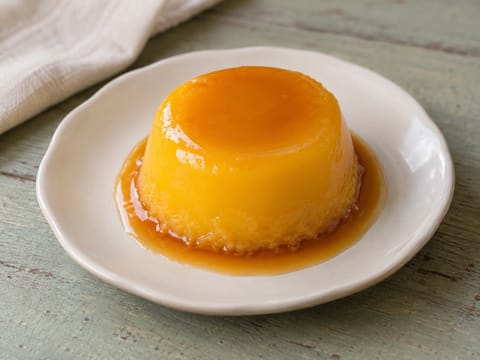
Brazilian coconut and egg yolk custard baked in caramel moulds
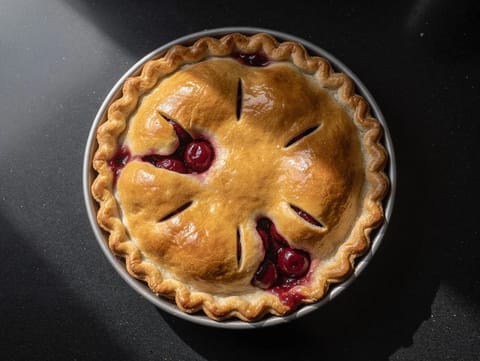
Air fryer cherry pie with lemon and cornflour-thickened filling.
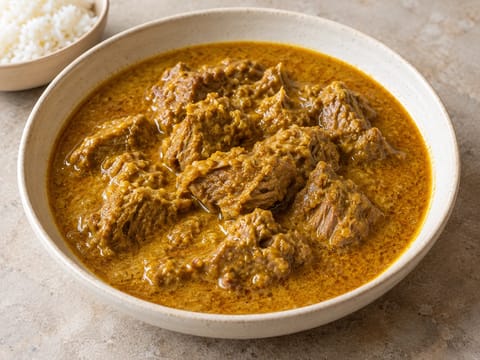
Indonesian lamb curry simmered in coconut milk with spices
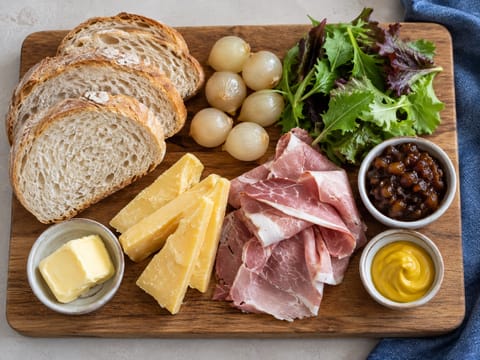
British lunch board with Cheddar, ham, bread, chutney and pickles
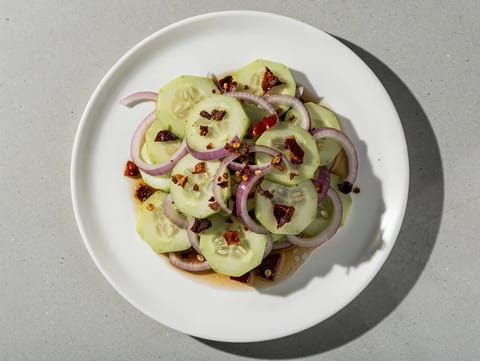
Thai cucumber relish with red onion and chilli in sweet-sour dressing
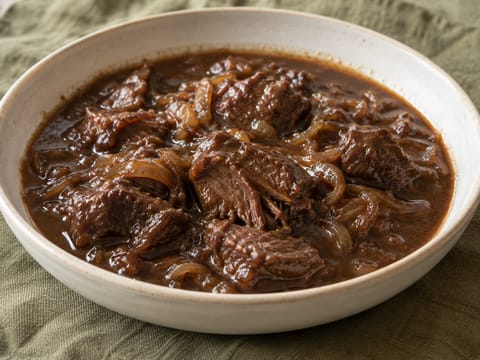
Ghent-style beef stew with dark beer and gingerbread
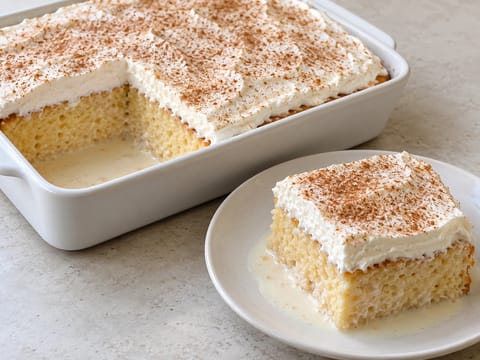
Milk-soaked sponge cake with whipped cream and cinnamon

Peach-shaped steamed buns filled with sweet red bean paste
They overlap, but they signal different constraints. Weeknight usually implies tighter timing and simpler sequencing. Weekend suggests you may have more flexibility for longer cooking or a more involved spread. Everyday is a broader cue for recipes that fit regular routines without needing a special occasion set-up.
Family dinner is about serving a household meal that works for different appetites at the same table. Kids friendly is a narrower cue that the flavours, textures or format may suit children more readily. Many family dinners can be kids friendly, but not all need to be.
Not necessarily. Holiday labels are most useful for the shape of the meal and the practicalities around it, such as timing, serving order, and how many dishes need oven space. Within that, recipes can be traditional, modern, or simply appropriate to the gathering.
It points you towards dishes that travel well and still taste good after sitting for a while. Think about sturdiness, easy portioning, and whether the dish needs last-minute finishing that might be awkward away from your own kitchen.
Treat it as a cue for flavours and serving style as much as equipment. Many BBQ-friendly sides and sauces work without live fire, and some “grilled” effects can be approximated with a hot pan or oven, depending on the recipe.
Choose foods that can be eaten casually and in small portions, then balance textures so the spread doesn’t feel all one note. It also helps to include at least one item that can be made ahead, so you are not cooking everything at the moment people want to eat.
Start by picking the occasion that matches how you’ll eat and serve, then use it to guide your menu: what can be made ahead, what needs attention at the last minute, and what will still be good after sitting. Once that framework is clear, it becomes much easier to decide on courses and seasonal touches.
