
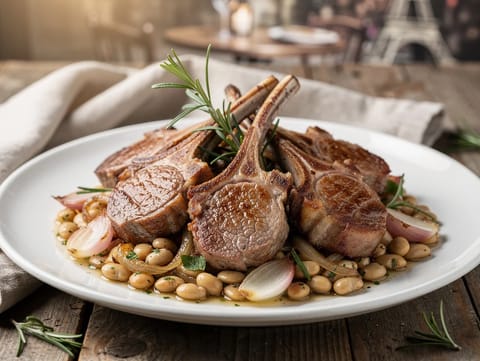
Côtelettes d’Agneau with Flageolet Beans (Lamb Cutlets and Beans)
Seared lamb cutlets served over flageolet beans with rosemary

An elevated weeknight meal is less about complexity and more about focus. You are still cooking within real-life constraints, but you choose recipes with one or two restaurant-style signals: a well-reduced sauce, a crisp topping, a bright herb finish, or a carefully cooked piece of fish, chicken or vegetables. This collection is for nights when you want dinner to feel intentional without turning it into a project, and when a small change in technique or seasoning can lift familiar ingredients into something that feels a step above the usual routine.
These meals often rely on a clear flavour backbone and a strong final texture. That might mean building depth quickly with browned aromatics, tomato paste, spices or a concentrated stock, then finishing with acidity from lemon, vinegar or yoghurt to keep the plate lively. You will also see recipes that use contrast: creamy against crunchy, charred edges against fresh herbs, or a silky purée alongside a simply cooked protein.
Elevation can also come from smart assembly. A quick pan sauce, a punchy dressing, or a garnish added at the end can make a straightforward roast tray or skillet dinner feel more composed. The goal is not to add steps for their own sake, but to choose steps that show up clearly when you sit down to eat.
Seared lamb cutlets served over flageolet beans with rosemary
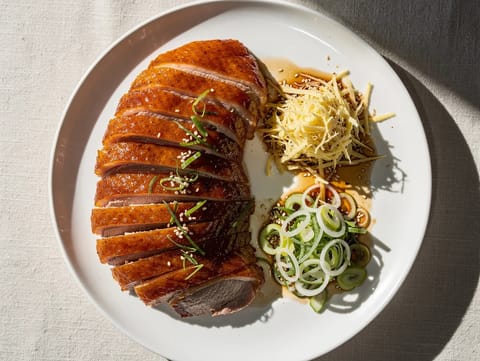
Cantonese roast duck with crisp skin and a maltose glaze
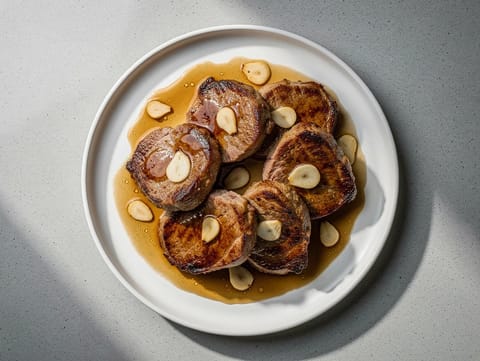
Pan-seared pork tenderloin with garlic whisky sauce
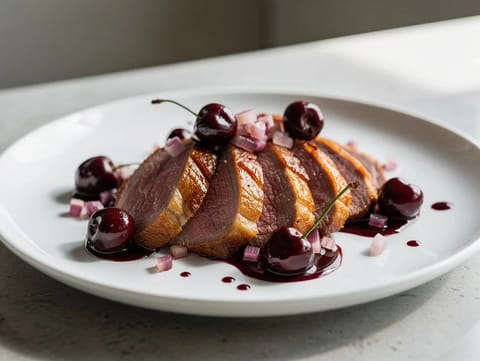
Pan-seared duck breast served with cherry and red wine sauce
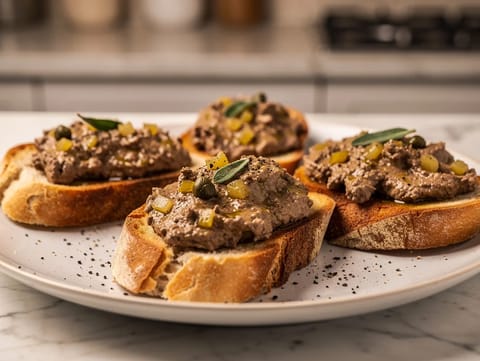
Toasted bread topped with rich chicken liver and capers
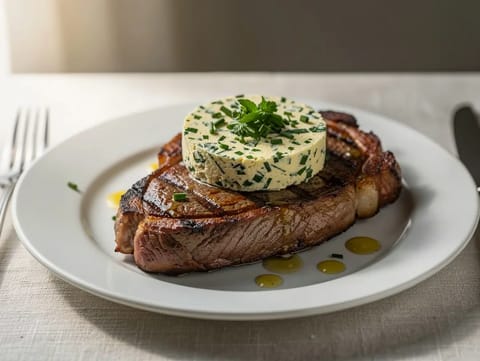
Grilled entrecôte with melting Café de Paris butter
If you want the biggest payoff for the least extra effort, choose a sauce-led recipe. A pan sauce, butter-and-lemon finish, or quick reduction can make simple ingredients taste deliberate, and it often uses the same pan you cooked in.
For a more dramatic change in eating experience, choose texture-led recipes. Crisped breadcrumbs, toasted nuts, a quick pickle, or a crunchy salad on top can lift rich or soft components and keep leftovers interesting.
If time is tight, look for recipes where the elevation happens at the end: a herb oil, a spoonful of chilli crisp, a yoghurt sauce, or a squeeze of citrus. These finishes are forgiving, and you can adjust them at the table to suit different preferences.
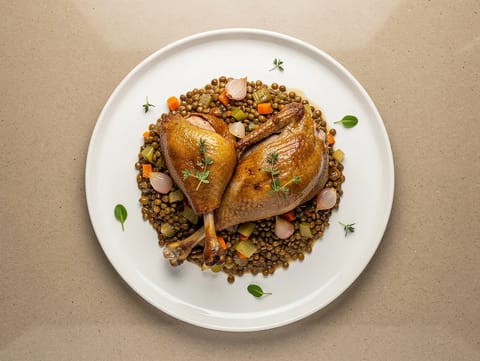
Tender duck legs served over braised puy lentils
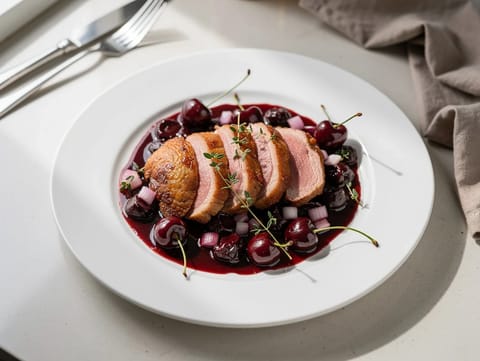
Pan-seared duck with cherry bourbon pan sauce
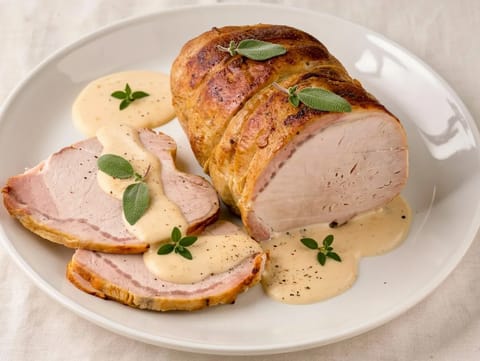
Pork braised in milk with sage, garlic and lemon
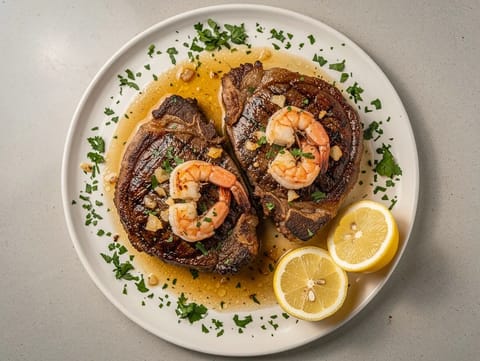
Seared sirloin steak with garlic butter prawns and lemon
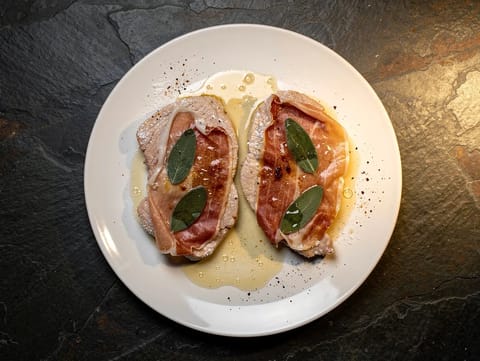
Pan-fried pork with prosciutto, sage and white wine butter sauce
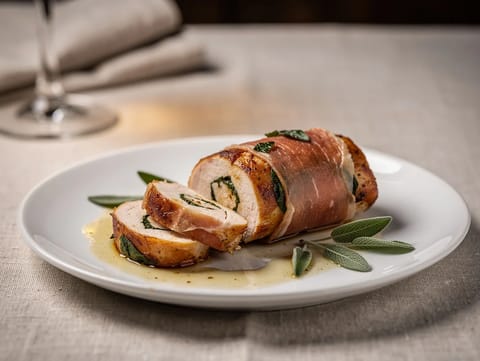
Chicken involtini wrapped in prosciutto and sage with pan sauce
Grilled entrecôte with melting Café de Paris butter
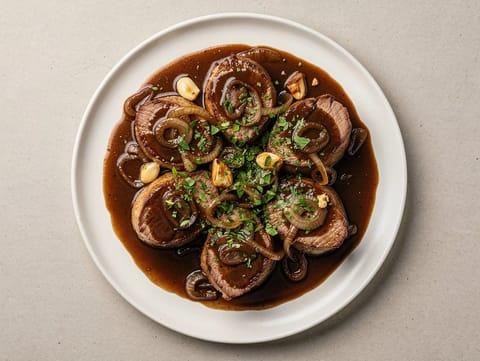
Seared pork tenderloin finished in a glossy Pedro Ximénez sauce
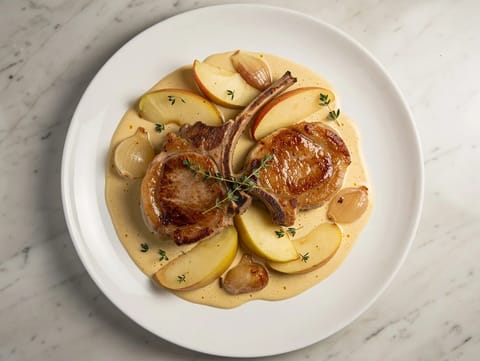
Pork chops with apples in a creamy cider sauce
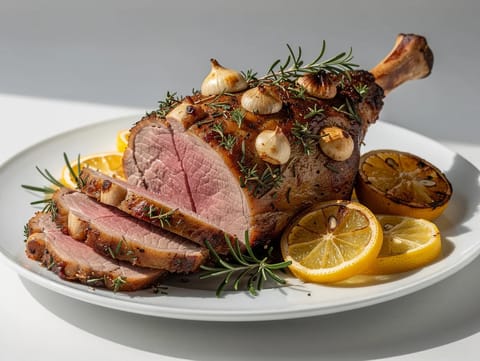
Roast leg of lamb with garlic, herbs and lemon
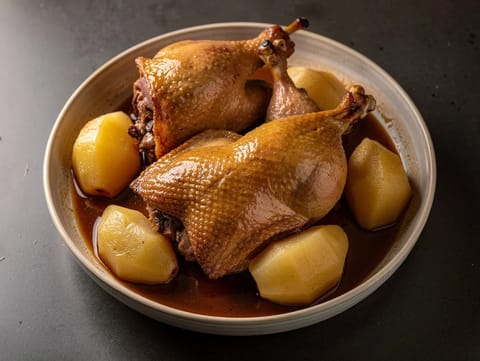
Duck legs braised in red wine with pears and garlic
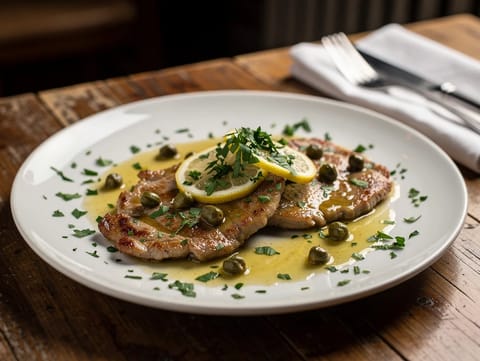
Veal escalopes in a lemon, caper and butter sauce
Weeknight polish is easiest when each element has a job. Pair rich mains with something sharp and fresh, such as a lemony salad, quick-dressed greens or a tomato-cucumber side, so the plate does not feel heavy. If the main is lean and simply cooked, add comfort with a creamy mash, buttered grains or a warm bread component.
Think about timing as well as flavour. Choose sides that can be prepped while the main cooks, or that hold without suffering. A dressed salad can wilt; a slaw-style salad often improves as it sits. Sauces and garnishes can be made early and kept ready, which makes serving feel calm even on a busy evening.
Cooking time is the quickest way to keep this collection realistic, especially when you want a meal that feels special but still fits into a weekday window. Occasion can help when you want the same ‘elevated’ feel for a low-key celebration at home, without switching to full hosting mode.
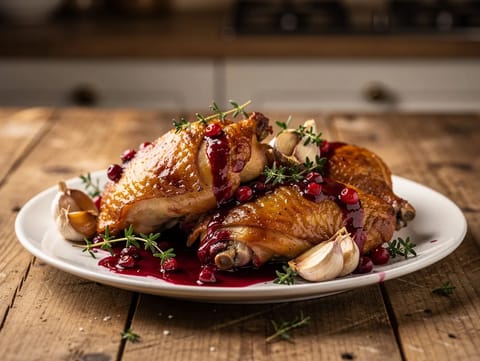
Chicken thighs simmered in a tangy lingonberry and thyme glaze
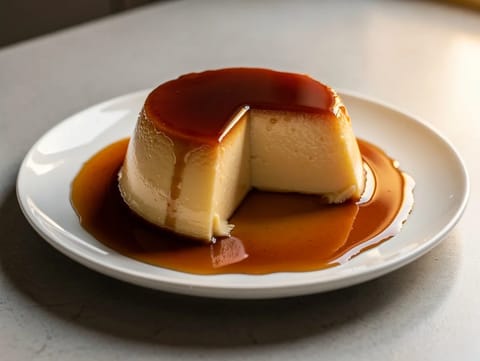
Baked caramel flan chilled and unmoulded with caramel sauce
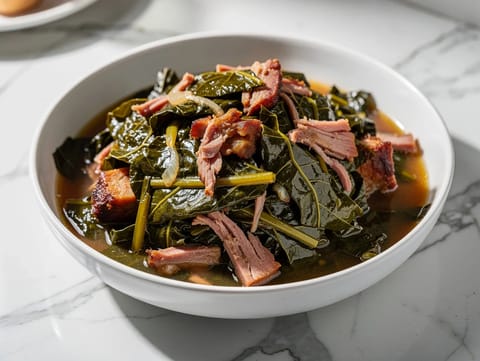
Slow-simmered collard greens with smoked ham hock
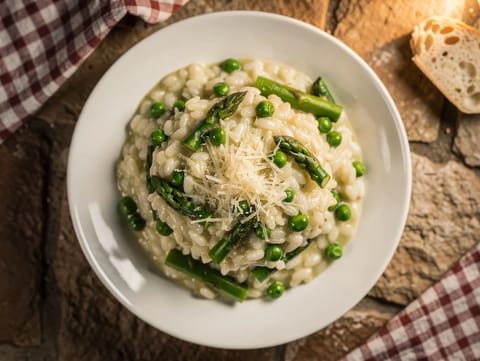
Light vegetable risotto with peas, asparagus and Parmesan
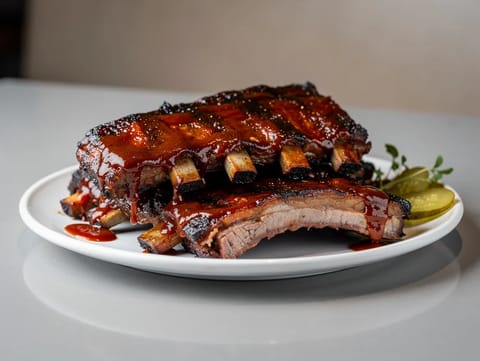
Slow-baked pork ribs finished with Kansas City BBQ sauce

Quiche Lorraine with bacon custard and a green salad
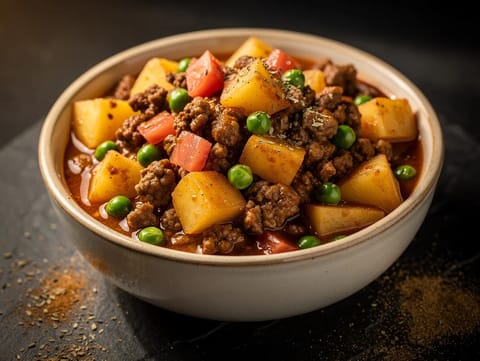
Mexican minced beef with potatoes, peas and tomato
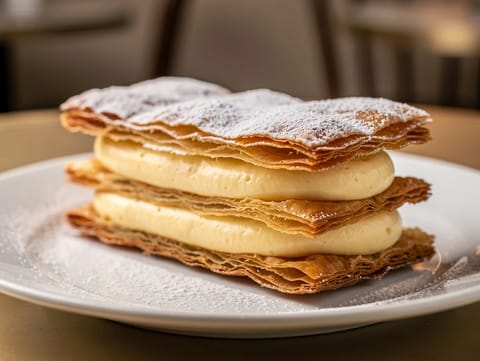
Puff pastry layers filled with thick vanilla custard
Usually one clear upgrade: a proper sear, a sauce made in the pan, a bright finishing acid, or a crunchy topping. It is a small technique choice that changes flavour or texture in an obvious way.
Not always. Some rely on speed; others use hands-off cooking (oven or simmering) so the active work stays manageable even if the total time is longer.
Keep heat and strong flavours adjustable. Serve chilli oil, herbs, pickles or extra seasoning at the table, and choose a base that is broadly appealing, such as roast chicken, pasta, rice or traybaked vegetables.
Finish with acidity and freshness. A squeeze of lemon, a splash of vinegar, or a spoonful of yoghurt can lift rich sauces and make flavours taste clearer.
Look for one-pan or traybake formats where the ‘elevation’ comes from a sauce, dressing or garnish made in a bowl while the main cooks.
Often yes. Sauces, dressings and toppings can usually be made earlier, and vegetables can be chopped in advance, leaving only the final cooking and assembly for the evening.
Choose a recipe where the upgrade is obvious on the plate, then keep the rest simple. A good sauce, a crisp topping or a bright finish can carry an entire meal without adding stress.
