
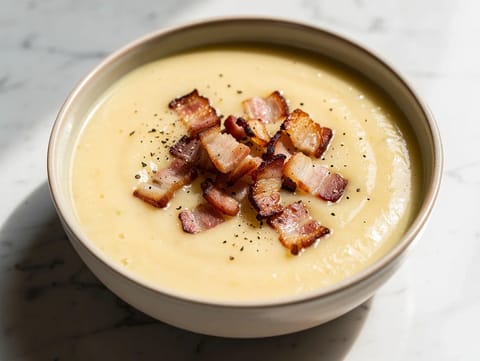
Kartoffelsuppe mit Speck (Potato Soup with Bacon)
Creamy potato soup topped with crisp bacon

German classics tend to be practical, structured dishes: roasts and braises with clear sauces, dumplings and potatoes that carry gravy, and baking that favours fruit, nuts and gentle spice. If you are building a meal around this style, the key is balance. Many traditional plates are rich and savoury, so a sharp salad, pickled element or fruit-led dessert can make the whole menu feel lighter without changing its character. This collection is a useful place to explore those familiar, comforting shapes and how they fit together.
In a German classics collection, ‘classic’ usually points to well-established home and restaurant dishes rather than modern fusion. You will often see techniques that suit cooler weather and make-ahead cooking: browning meat well before simmering, building sauces from pan juices, and using starches such as potatoes, bread or flour to give body. Seasoning is commonly assertive but not perfumed: mustard, caraway, juniper, pepper and herbs show up in ways that support meat and cabbage rather than dominate. Baking classics often lean on reliable batters and doughs, with fruit, poppy seed, nuts or custard providing interest. Regional variation is part of the picture, so the same dish name may appear in more than one form.
Creamy potato soup topped with crisp bacon
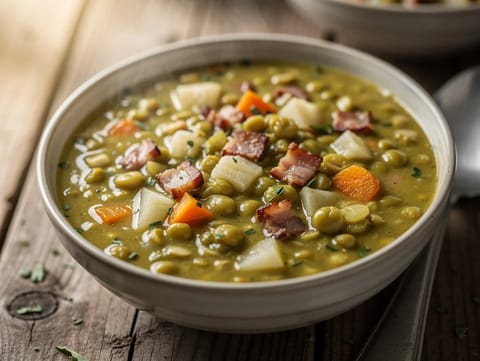
Thick split pea soup with smoked bacon and vegetables
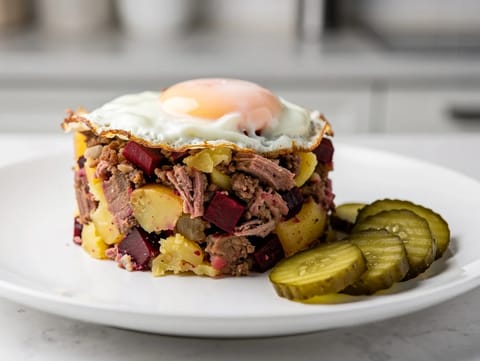
Corned beef, potato and beetroot hash topped with a fried egg
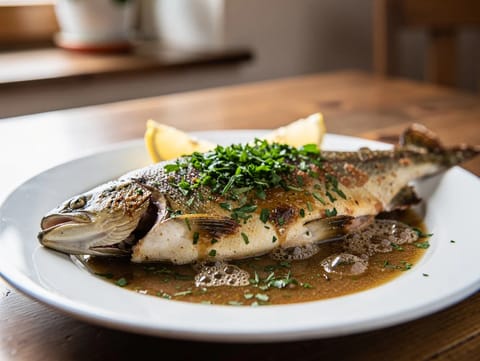
Crisp pan-fried trout finished with brown butter and lemon
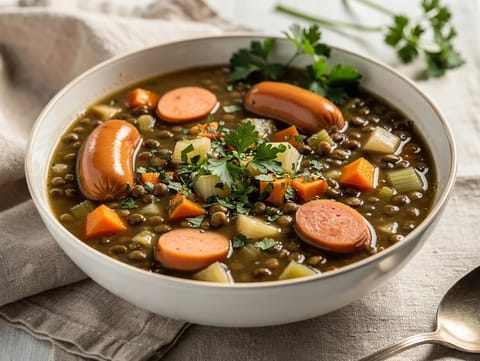
German lentil soup with frankfurters
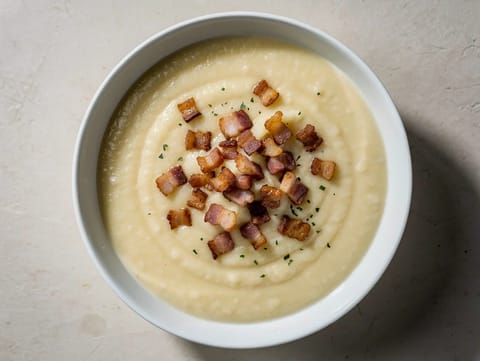
Creamy German potato soup topped with crispy bacon
German classics naturally cluster into a few recognisable families. There are hearty mains built around pork, beef or poultry, often served with a sauce and a starchy side such as dumplings, potatoes or noodles. There are cabbage and root-vegetable sides that are cooked until sweet and tender, sometimes with bacon or caraway for depth. You may also find soups that start with a strong stock base and finish with noodles, dumplings or vegetables. On the baking side, look for cakes and pastries where texture matters: a fine crumb, a crisp base, or a fruit layer that stays distinct rather than dissolving into jam. Together, these families make it straightforward to assemble a menu with a clear centre and supporting sides.
North German fish roll with matjes, red onion, lettuce and yoghurt dill sauce
Farmhouse rye bread with pork dripping, fried onions and dried marjoram
Eisbein with tender pork knuckle, thick split pea pudding and mustard
Tender beef roulades braised in stock, served sliced with rich pan gravy
Green peppers stuffed with beef and rice, baked tender in tomato sauce
Tender sliced beef brisket simmered with vegetables and served with horseradish sauce
Soft German potato dumplings with mushroom ragout simmered in stock and cream
Potatoes simmered with peppers, paprika and tomato purée in vegetable stock
Soft egg noodles layered with Emmental, finished with crisp fried onions
Whole trout pan-fried until crisp, then topped with nutty brown butter
Green lentil soup with frankfurters, carrots, celeriac and leek
Baked green peppers stuffed with minced beef and rice in tomato sauce
For a relaxed schedule, slow-cooked dishes are often the easiest to host with because they can simmer gently while you prepare sides. They also tend to taste more integrated after a rest, as sauces thicken and flavours settle. If you want something faster, look for pan-seared or oven-roasted mains where the sauce is built quickly from the roasting tin or frying pan. When choosing sides, decide whether you want them to soak up sauce (dumplings, mash, noodles) or cut through richness (braised cabbage, sharp salads, pickles). For dessert, fruit and custard-based bakes often sit comfortably after a savoury, gravy-led meal, whereas very chocolate-heavy desserts can feel like a separate theme.
Cooking time is a practical way to narrow German classics, since the cuisine includes both quick pan dishes and longer braises and bakes. Occasion browsing can also help when you are choosing between everyday comfort food and recipes that suit a more festive table, where presentation and make-ahead ease matter more.
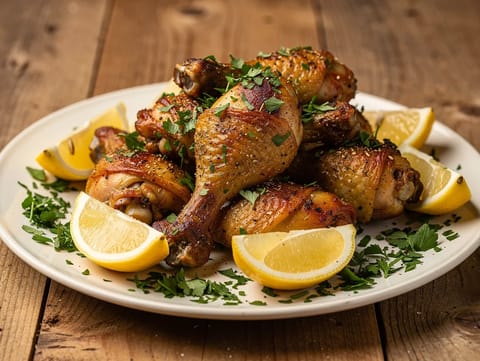
Air-fried drumsticks with garlic, herbs and lemon.
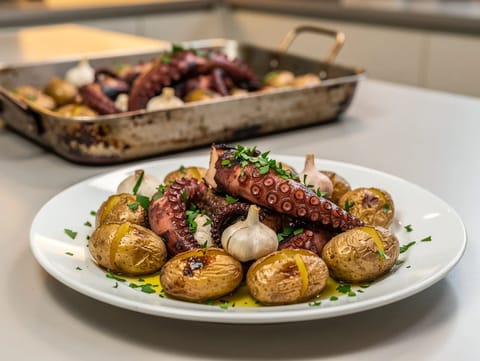
Roasted octopus with potatoes, garlic, bay and olive oil
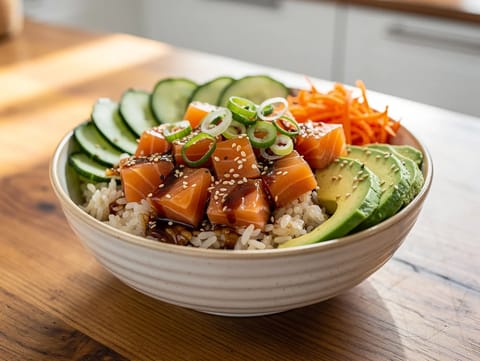
Easy salmon poke bowl with sushi rice, avocado and cucumber.
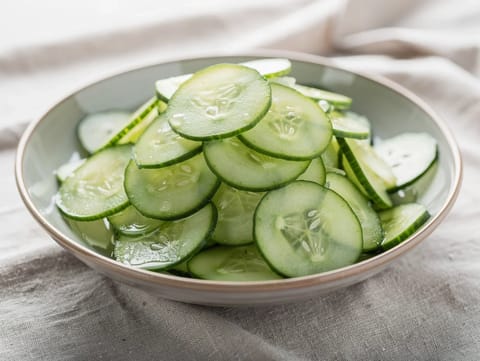
Danish cucumber salad in a sweet and tangy vinegar dressing
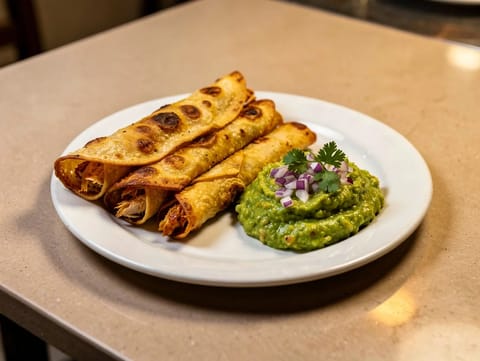
Crisp chicken flautas served with avocado and lime guacamole
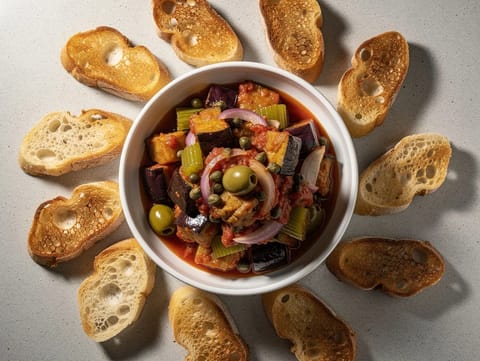
Sweet-sour aubergine caponata served with crisp crostini
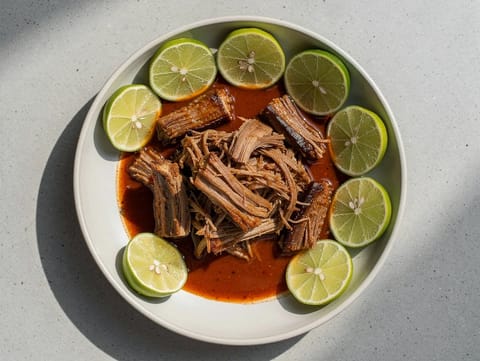
Slow-cooked lamb in guajillo and ancho chilli broth
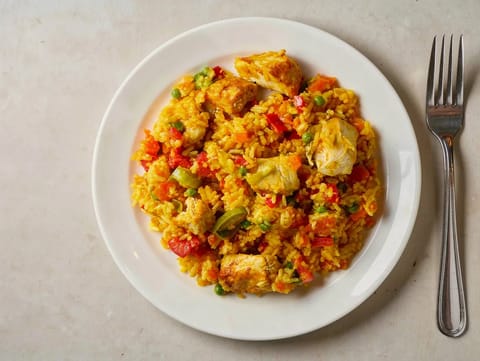
One-pot rice with chicken thighs, vegetables and spices
Many well-known classics are built around meat and rich sauces, but the broader tradition also includes substantial vegetable sides, dumplings, potato dishes and baking where fruit and nuts take centre stage.
Mustard, caraway, juniper, pepper, herbs and gentle acidity from vinegar or fermented ingredients are common signposts, though the exact balance varies by region and family style.
Browning well at the start builds depth, and a final adjustment of salt and acidity often matters. A small splash of vinegar, a spoon of mustard, or a tart side can lift a rich sauce.
Choose one side that absorbs sauce, such as dumplings or potatoes, and one that brings freshness or acidity, such as cabbage, pickles or a crisp salad.
Not always. Many classic cakes are sweet but restrained, with fruit, nuts or custard providing flavour and texture rather than heavy icing.
Often, yes. Braises, some soups and many baked desserts hold well, which makes them practical for hosting when you want to do the main work earlier.
Pick a main dish with a clear sauce or roast character, then add one starchy side and one sharp, fresh counterpoint. That simple structure captures the spirit of German classics without overcomplicating the table.
