
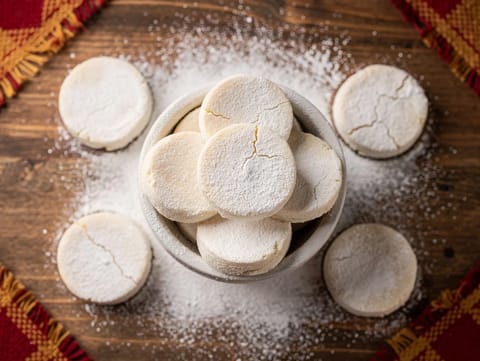
Polvorones (Spanish Shortbread Biscuits)
Crumbly Spanish shortbread biscuits with almonds and icing sugar
Spanish-style dinners often work best when you think in components: something savoury to nibble, a main dish that can hold its heat, and a bright note to cut through richness. This collection brings together dinner ideas that suit that rhythm, from small plates to more substantial centrepieces.
Use it when you want the flavours and pacing associated with Spanish cooking without overcomplicating service. A little planning goes a long way, especially where timing matters for rice, seafood, or anything crisp-fried.
A Spanish dinner can mean a spread of tapas, a single pan of rice, or a slow-cooked dish served with something simple alongside. What tends to link these meals is contrast: salty with sharp, crisp with saucy, and rich with something fresh. You will often see olive oil, garlic, paprika, tomatoes and herbs used to build depth without heavy sauces.
It does not automatically mean everything is spicy, or that every dish is eaten late at night. Many Spanish dinners are built around straightforward techniques, but they reward attention to a few details, such as not crowding a pan when searing, or letting a stew settle so the flavours round out.
Crumbly Spanish shortbread biscuits with almonds and icing sugar
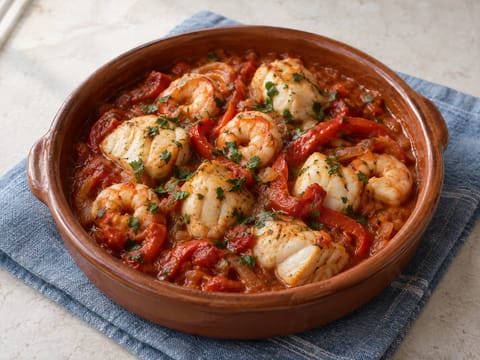
Monkfish and prawns in saffron tomato and white wine sauce
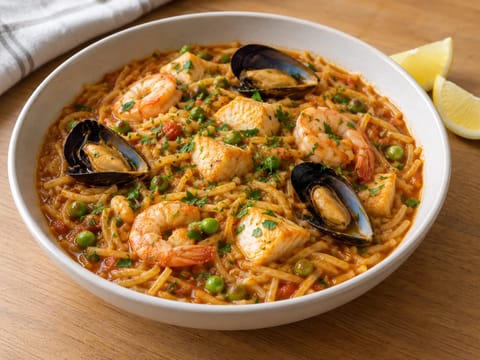
Catalan fideos casserole with seafood in tomato and saffron broth
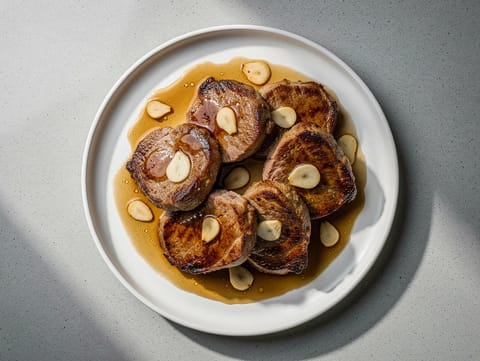
Pan-seared pork tenderloin with garlic whisky sauce
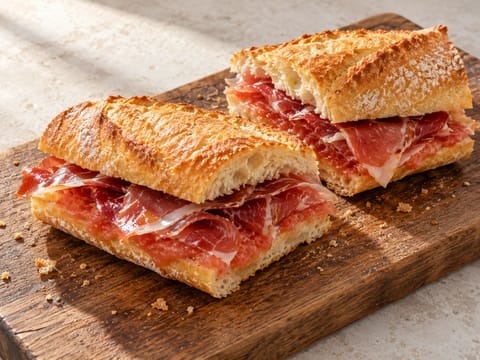
Spanish baguette sandwich with jamón serrano and grated tomato
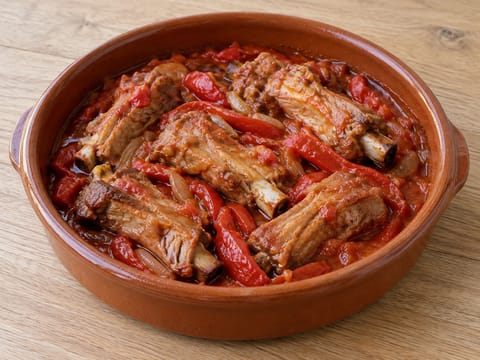
Rioja-style pork ribs in tomato and red pepper sauce
If you want a sociable table, lean towards a tapas-style mix: a couple of warm bites, something marinated or dressed, and bread or potatoes to make it feel like dinner. This approach is forgiving because dishes can arrive in waves, and you can scale up by adding one more plate rather than doubling a single recipe.
For a more structured meal, choose a centrepiece that sets the pace. Rice dishes ask for focus at the end, because texture changes quickly once off the heat. Stews and braises are the opposite: they are often calmer to serve because they hold well and taste more integrated after a short rest. Grilled or roasted items sit in the middle, especially if you can prep sauces and garnishes ahead.
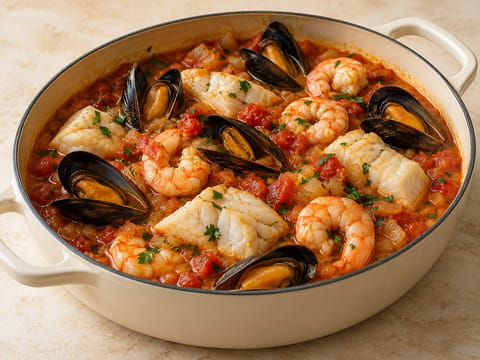
Spanish seafood casserole in saffron tomato broth
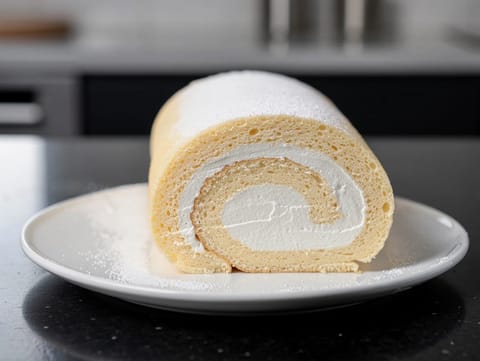
Spanish Swiss roll filled with sweetened whipped cream
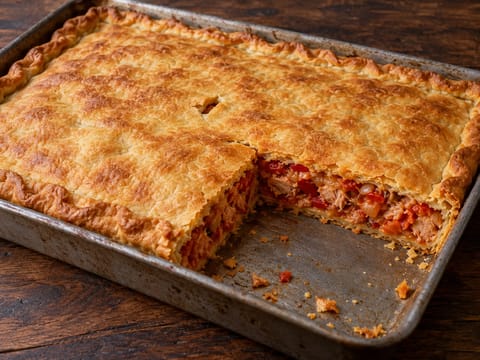
Galician tuna pie baked in olive-oil pastry
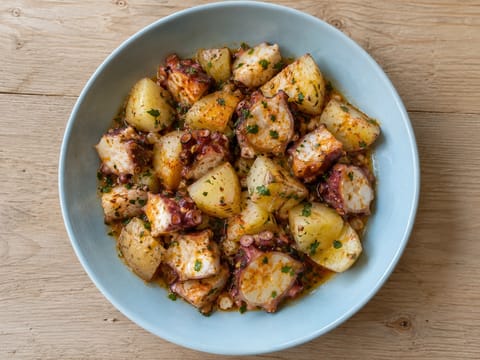
Octopus and potato salad with smoked paprika and olive oil
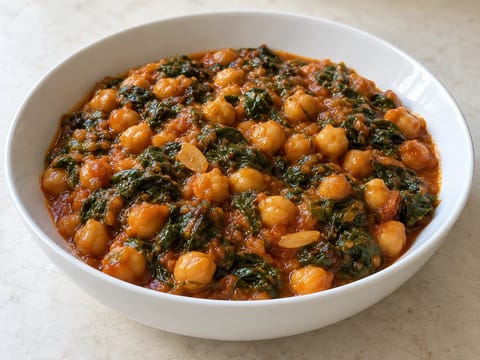
Spinach and chickpeas simmered with cumin, paprika and tomato
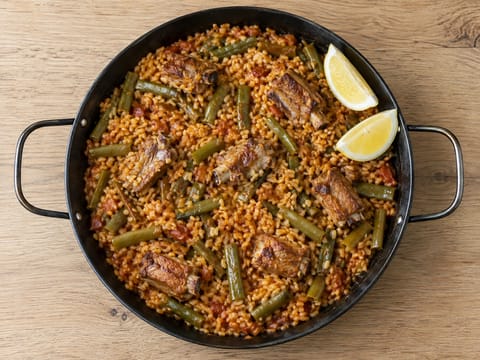
Spanish rice with pork ribs, green beans and paprika
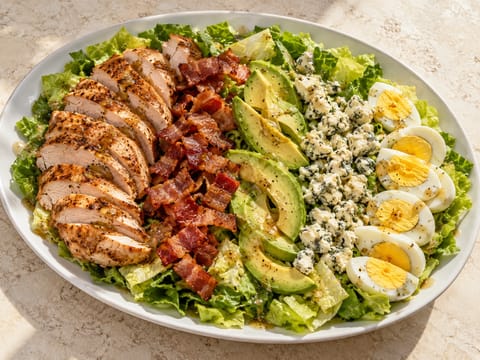
Composed salad with chicken, bacon, egg, avocado and blue cheese
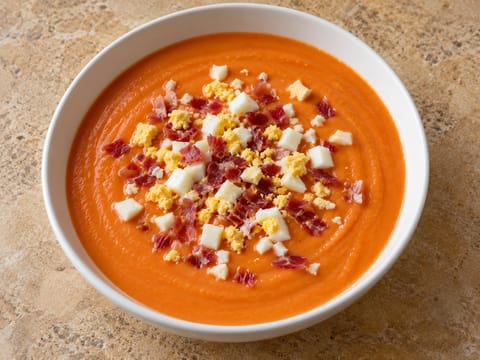
Thick cold tomato soup topped with egg and serrano ham
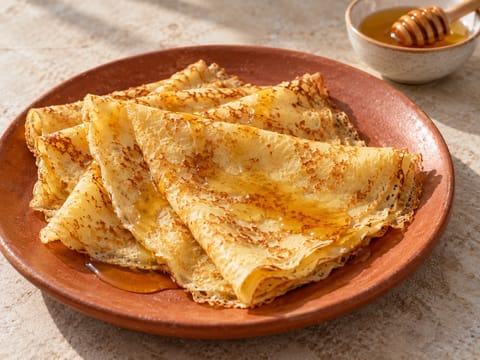
Thin Galician crepes served warm with honey
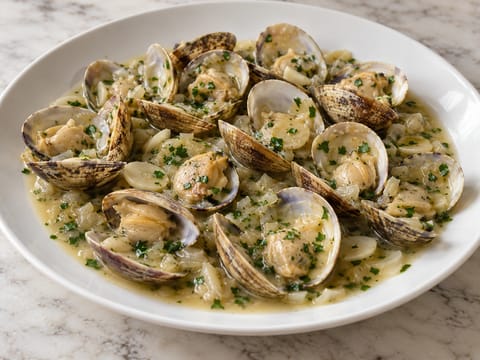
Clams steamed in white wine sauce with garlic and parsley
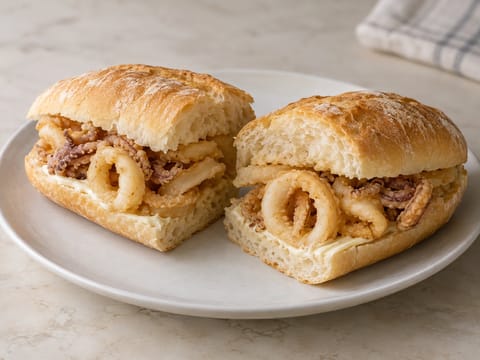
Fried squid sandwich with lemon and mayonnaise
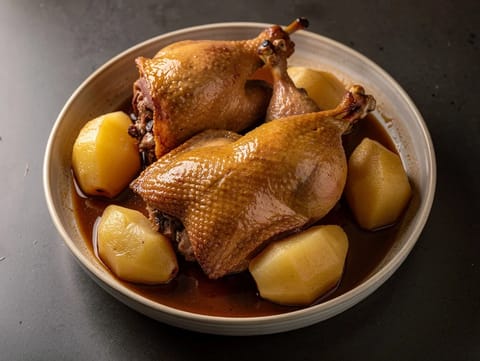
Duck legs braised in red wine with pears and garlic
Aim for one anchor flavour and one contrast. If your main dish is tomato-forward or smoky with paprika, a sharp salad, citrus dressing or pickled element can keep the meal from feeling heavy. If the centrepiece is seafood, a simple vegetable side and a garlicky sauce or aioli-style accompaniment can make the table feel complete without competing.
Texture matters as much as flavour. Pair something soft and saucy, such as a stew or braised dish, with something crisp or blistered, such as roasted peppers or pan-fried potatoes. If you are serving several small plates, keep at least one dish relatively plain, for example simply dressed greens or bread with good oil, so the bolder dishes still taste distinct.
If you are planning around real-life schedules, browsing by Cooking time can help you decide whether to commit to a slow-cooked centrepiece or keep the meal more mix-and-match. For dietary needs at the table, Diet categories can be a useful cross-check, especially where dishes rely on cured meats, shellfish, or dairy-based sauces.
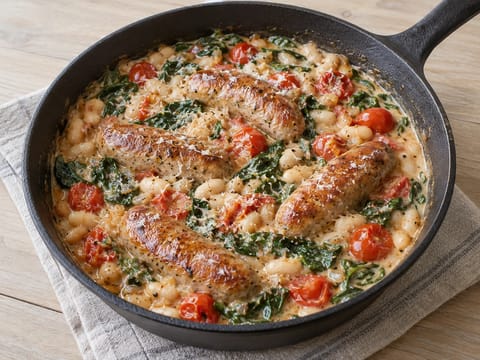
Creamy sausage skillet with cannellini beans and spinach
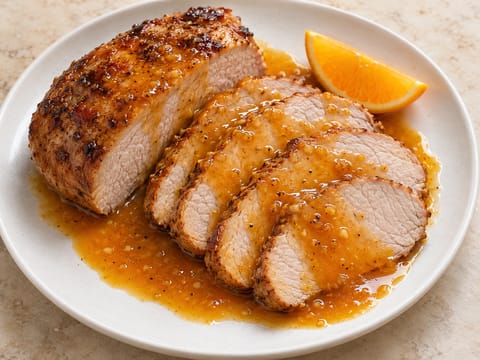
Seared pork loin simmered in a glossy orange sauce
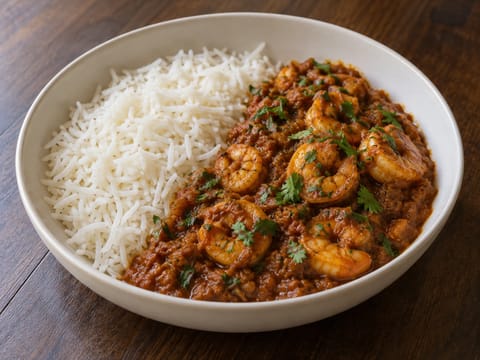
Prawn masala in tomato and onion gravy with basmati rice
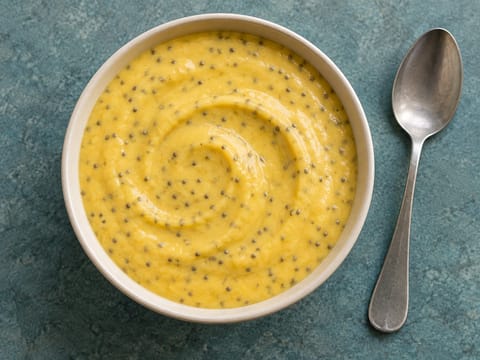
A thick mango smoothie bowl with yoghurt and chia seeds.
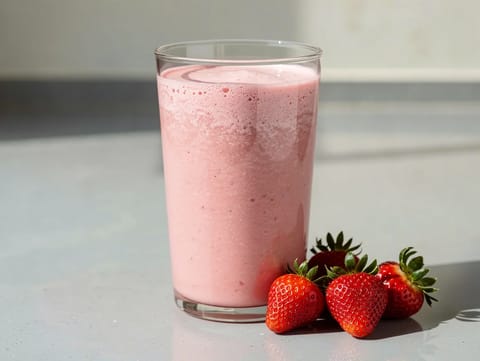
Strawberry yoghurt smoothie scented with rosewater and sweetened with honey.
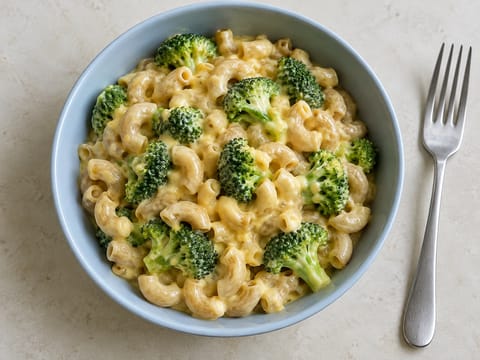
Wholewheat mac and cheese bowl with broccoli and Greek yoghurt
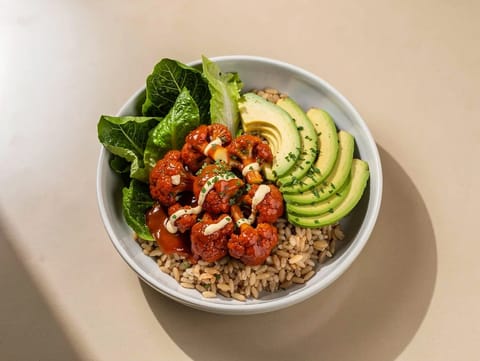
Roasted buffalo-style cauliflower bowl with brown rice and avocado
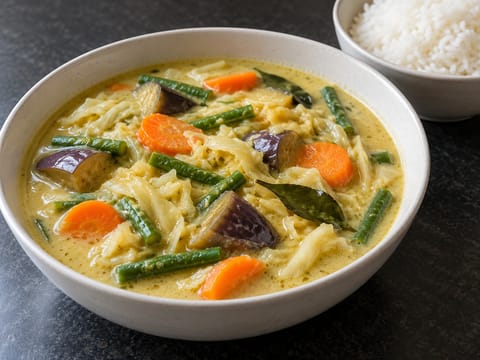
Vegetable coconut milk stew (sayur lodeh)
No. Tapas are one way of eating, but Spanish-style dinners can also be built around a single main dish with a couple of simple sides. The useful idea is contrast and pacing, not the number of plates.
Repeat one flavour thread, such as smoked paprika, garlic and olive oil, then add a bright counterpoint like lemon, vinegar or tomatoes. Cohesion comes from a few shared notes rather than matching everything.
Mix cooking methods and seasoning styles. Combine something roasted or grilled with something dressed or marinated, and keep one element deliberately simple so the stronger flavours have space.
They can be, but they are more timing-sensitive than stews. If you want low-stress serving, choose a rice dish only if you can focus on the final stage and serve promptly.
Often, yes. Sauces, dressings, chopped garnishes and marinated vegetables can usually be prepared earlier, leaving only the cooking and final assembly for serving time.
Pick your centrepiece first, then add one fresh element and one starchy or bread-based side to round it out. Once that structure is in place, the smaller plates and sauces become easy, flexible additions.
