
Calzone Classico (Folded Pizza with Tomato and Cheese)
Classic baked calzone sealed around tomato passata with mozzarella and ricotta inside

Pizza is a simple idea with lots of practical choices: the dough can be thin and crisp or thick and airy, the toppings can be restrained or piled on, and the bake can be fast and fierce or slower and more forgiving. Those choices affect not only texture, but also how far ahead you can prepare.
Use this page to decide which pizza style suits your oven, your timing and how you want to serve it, whether it’s sliced for sharing or baked as individual portions.
Pizza is a baked flatbread topped before baking, usually with a sauce and a savoury topping. The defining feature is the balance between a well-baked base and toppings that cook in the same time window. That balance is why pizza recipes pay close attention to dough hydration, thickness and oven heat.
Pizza does not automatically mean a particular crust style. It can be thin and crisp, thicker and bread-like, or somewhere in between. It also does not require a red sauce: white sauces, oil-based bases and no-sauce styles are all part of the broader pizza family, as long as the topping is baked onto the dough.
Classic baked calzone sealed around tomato passata with mozzarella and ricotta inside
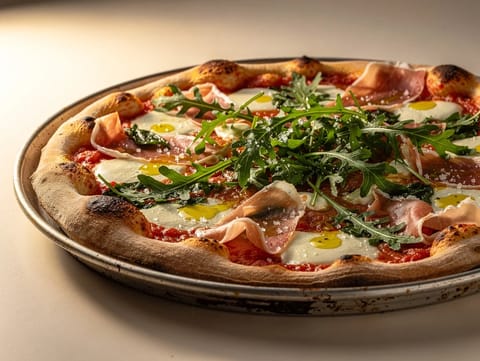
Baked pizza with mozzarella, prosciutto and fresh rocket
Mini flatbread pizzas cook fast with passata, mozzarella and oregano.
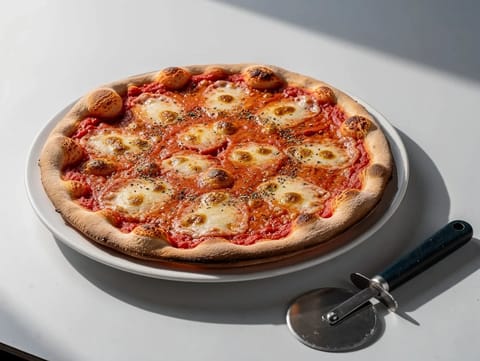
Thin, foldable pizza topped with tomato sauce and mozzarella
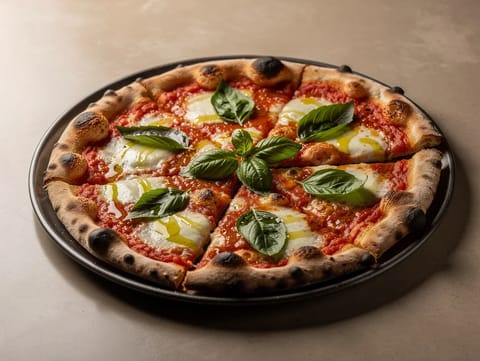
Classic pizza with tomatoes, mozzarella and fresh basil
Thin-crust pizzas bake quickly and reward a light hand with toppings. Because the base is delicate, watery ingredients can soften it unless they’re used sparingly or pre-cooked.
Thicker, pan-style pizzas tend to be more forgiving. The base has time to cook through while the top browns, and the crumb can stay tender even with richer toppings.
Sheet-pan and tray pizzas are often chosen when you want easy portioning and a consistent bake. They suit toppings that benefit from a little more time in the oven, such as roasted vegetables or sausage.
Calzone-style folded pizzas and stuffed formats shift the focus to sealing and steam management, since the filling cooks inside the dough rather than exposed to direct heat.
Baked pizza with mozzarella, prosciutto and fresh rocket
Thin, foldable pizza topped with tomato sauce and mozzarella
Classic pizza with tomatoes, mozzarella and fresh basil
Mini flatbread pizzas cook fast with passata, mozzarella and oregano.
Classic baked calzone sealed around tomato passata with mozzarella and ricotta inside
Dough is the most useful component to prepare ahead. Many doughs benefit from resting, and a cold rise can make shaping easier and flavour more developed. If you’re planning for guests, portioning dough in advance reduces last-minute bench work.
Sauce can usually be made ahead and cooled, which also helps it thicken. A thicker sauce is less likely to soak the base.
Toppings are where make-ahead can backfire. Ingredients that release water, such as mushrooms or courgettes, often behave better if cooked or salted and drained before they go on. Cheese can be grated ahead, but keep an eye on moisture and clumping.
For leftovers, a sturdier crust and restrained toppings tend to reheat more predictably than a very thin base with lots of wet ingredients.
Cooking method is a natural next step for pizza, because baking on a stone, in a pan, or on a tray changes crust texture and topping cook time. Cuisine can also help if you’re looking for particular regional approaches to dough, sauce and topping balance.
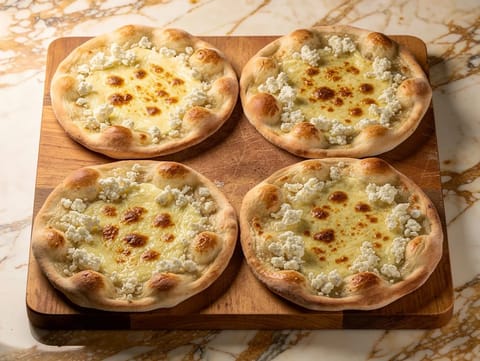
Yeasted flatbreads topped with mozzarella and feta
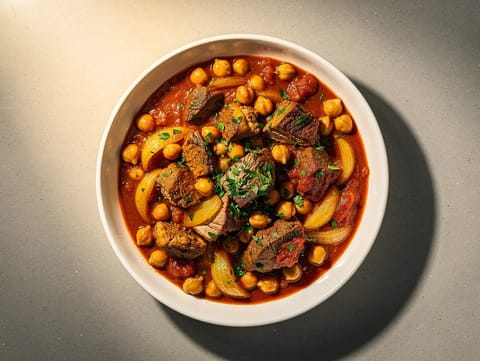
Slow-simmered lamb and chickpea stew in a spiced tomato sauce

Fizzy lime drink with sugar, salt and ice
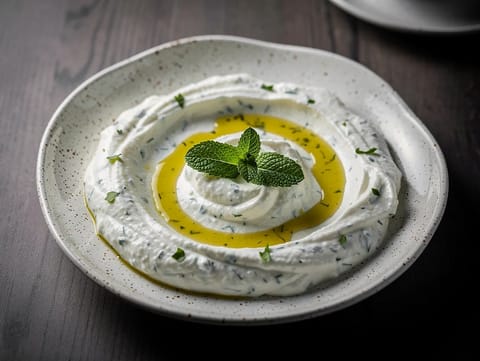
Thick Turkish yoghurt dip with garlic, mint and olive oil
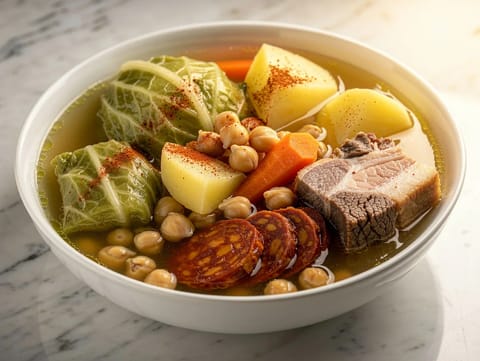
Madrid chickpea stew with beef, pork belly and chorizo
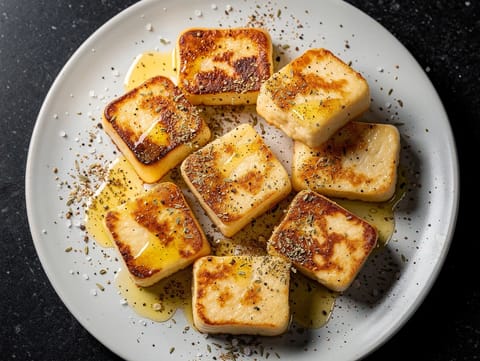
Golden air-fried halloumi finished with lemon and oregano.
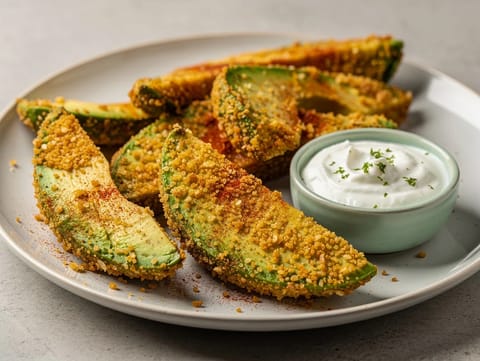
Crispy air-fried avocado fries with lime yoghurt dip.
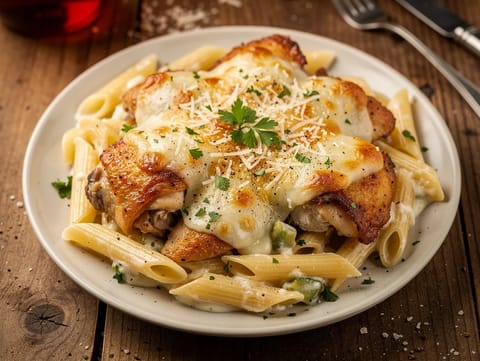
Chicken Alfredo pasta bake with mozzarella and Parmesan, air-fried until golden.
Common causes are too much sauce, watery toppings, or insufficient heat under the base. A thicker sauce, pre-cooked toppings, and baking on a hot surface can help the base set before it absorbs moisture.
Often, yes. Many doughs can be mixed and rested in advance, and some benefit from a slower rise. Portioning the dough ahead of time also makes shaping quicker.
Not necessarily. A hot baking tray or a cast-iron pan can produce good results. The key is getting strong heat into the base quickly so it bakes rather than steams.
It helps to avoid overloading and to use a sauce that isn’t too thin. Cutting larger toppings smaller and adding delicate items after baking can also improve stability.
Thin crust bakes quickly and needs restrained toppings; pan pizza bakes a little longer and is more forgiving with richer toppings, often with a softer interior crumb.
Choose your crust style first, then match the sauce thickness and topping moisture to the bake you can achieve in your oven. With that order of decisions, pizza becomes less about guesswork and more about repeatable results.
