
Leek and Gruyère Tart
Shortcrust tart filled with softened leeks, Gruyère and a savoury custard

Baking beans, also called pie weights, are used for blind baking pastry cases. Their job is simple: hold the pastry down and support the sides while the fat melts and the structure sets, so the base doesn’t puff and the edges don’t slump. They are helpful, but they are not a shortcut around good pastry handling. If the dough is warm, stretched or too thin in the corners, weights can only do so much. Understanding that limit makes it easier to choose the right approach for each tart or pie.
Weights add pressure and even contact, which helps keep the base flat and encourages the sides to keep their shape. Dedicated ceramic or metal weights are convenient because they heat quickly and pour easily, but the technique matters more than the material. Dried pulses, rice or sugar can stand in as long as they are dry and you use enough to reach up the sides, not just the centre. A sheet of baking paper or foil between pastry and weights makes removal easier and keeps the weights clean. Whatever you use, aim for full coverage so the corners are supported, where shrinkage shows first.
Shortcrust tart filled with softened leeks, Gruyère and a savoury custard
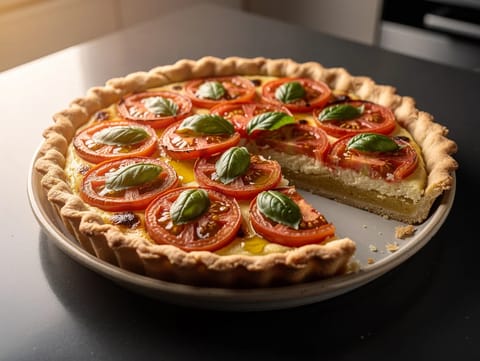
Shortcrust tart with ricotta, tomatoes and fresh basil
The most common cause is warm dough. If the butter is soft when it goes into the oven, it melts before the flour structure sets, and the sides can slide down even under weights. Another issue is underfilling: a small pile of weights in the middle stops a dome, but it does not brace the edges. Finally, docking (pricking) can help release steam, but it is not a substitute for weights when the filling will be wet. If a recipe asks for partial blind baking, it is usually because the base needs a head start before it meets a custard, fruit or other moisture.
Shortcrust tart with ricotta, tomatoes and fresh basil
Shortcrust tart filled with softened leeks, Gruyère and a savoury custard
If the filling is baked and fairly dry, you may only need a short weighted bake to set the shape, followed by a brief uncovered bake to dry the base. For wetter fillings, a more thoroughly baked shell helps resist sogginess, so expect a longer uncovered stage after the weights come out. Deep tart tins and fluted edges benefit from generous weights pushed right into the corners. For rustic galettes and free-form tarts, weights are less relevant because the pastry is supported by folds rather than a vertical wall. In those cases, chilling and careful sealing of the base matter more than weighting.
Blind baking sits at the intersection of method and skill. Browsing by Cooking method helps you compare blind baking with other pastry approaches, such as fully baked shells or baked fillings that set the base as they cook. Difficulty can also be useful, because neat lining, chilling and timing often matter more than the weights themselves.
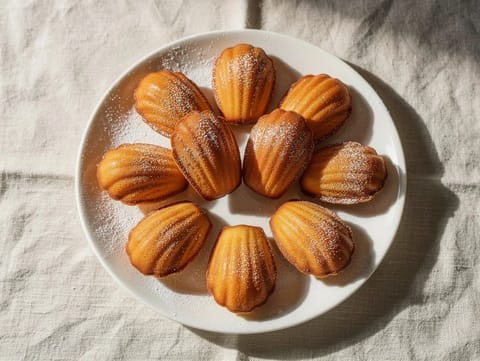
French shell cakes with lemon zest, vanilla and icing sugar
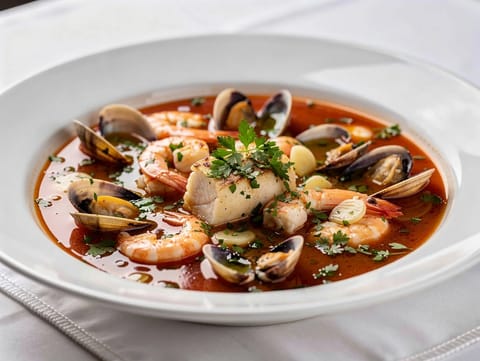
Venetian fish soup with mixed seafood in tomato and white wine
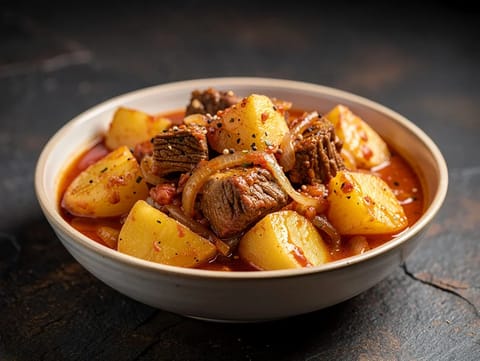
Lebanese lamb and potato stew in a tomato sauce
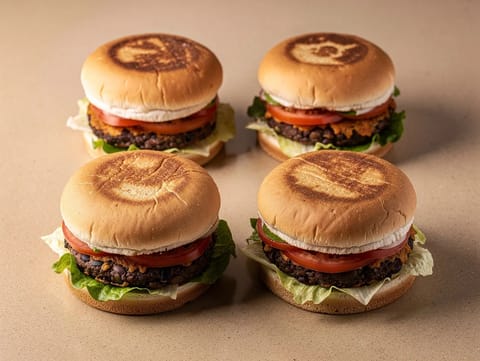
Crisp pan-fried black bean burgers in toasted buns
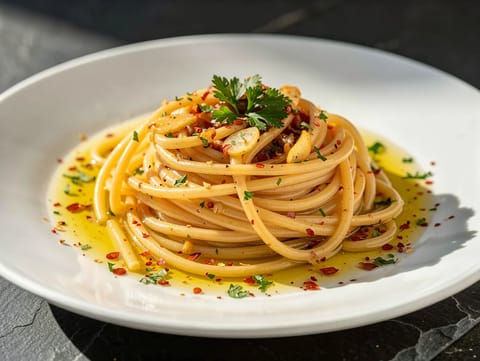
Spaghetti with anchovy, garlic, chilli and parsley
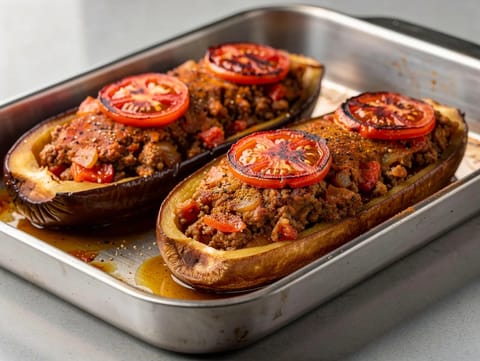
Baked aubergines stuffed with minced beef, onion and tomatoes
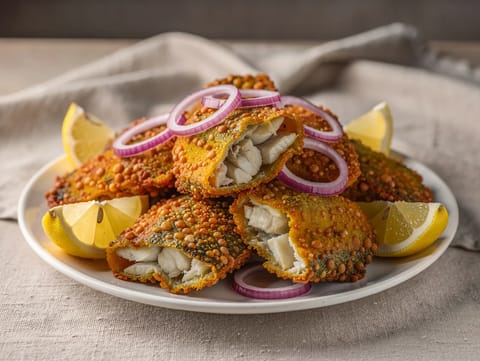
Punjabi spiced fried fish with a crisp gram flour coating
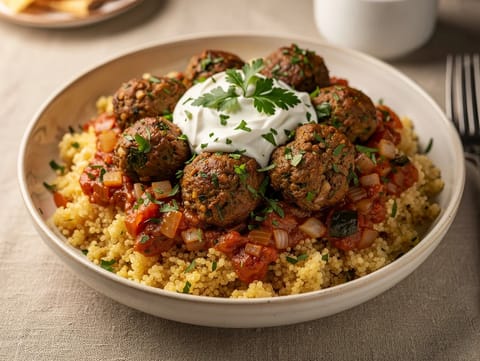
Lamb meatballs in tomato sauce served over couscous
Yes. Both refer to something you put on top of pastry during blind baking to keep the base flat and support the sides.
Usually, yes. Use them dry, use plenty so they reach the sides, and place a layer of paper or foil between the pastry and the weights for easy removal.
It depends on the recipe. Docking can help release steam, but weights are what prevent the base from puffing and the sides from slumping.
Often the dough was warm or stretched when it was fitted into the tin. Chilling the lined tin and avoiding pulling the dough tight helps the shape hold.
Typically once the pastry has set enough to hold its shape. Many recipes then bake the shell uncovered to dry and colour the base.
Not necessarily. Their main job is pressure and support. Some materials heat faster than others, but technique and coverage are more important.
Pie weights are most useful when a pastry case needs to keep crisp edges and a flat base before a filling goes in. Use enough to support the sides, and rely on chilling and careful lining to do the rest of the work.
