
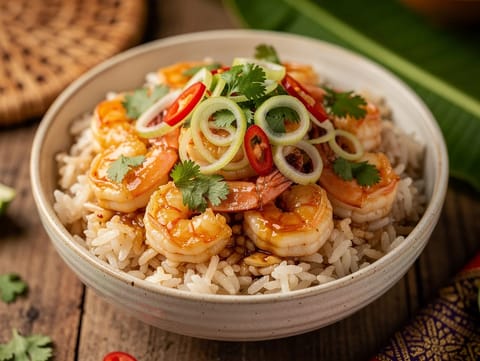
Air Fryer Thai Shrimp
Air-fried Thai shrimp with fish sauce, lime, and garlic.

A garlic press turns a clove into a very fine mince with plenty of juice. That intensity can be exactly what a recipe needs, especially when garlic is meant to melt into a dressing, marinade or sauce. It can also catch you out: pressed garlic cooks faster than sliced or chopped, so it is easier to scorch in a hot pan. This page explains what a garlic press changes in flavour and cooking behaviour, plus simple alternatives when you would rather use a knife or grater.
A press is most useful when you want garlic to disperse evenly without visible pieces, such as in vinaigrettes, yoghurt sauces, compound butters, or quick marinades. Because the pieces are so small, the garlic releases more juice, which can make raw garlic taste sharper at first. In cooked dishes, that fine mince softens quickly, but it also browns quickly. If a recipe starts with garlic in hot oil, pressed garlic may need a gentler heat or a shorter cooking time than chopped. A press is less helpful when you want distinct slices for texture, or when you are cooking a large quantity of garlic, where peeling and pressing becomes the slow part.
Air-fried Thai shrimp with fish sauce, lime, and garlic.
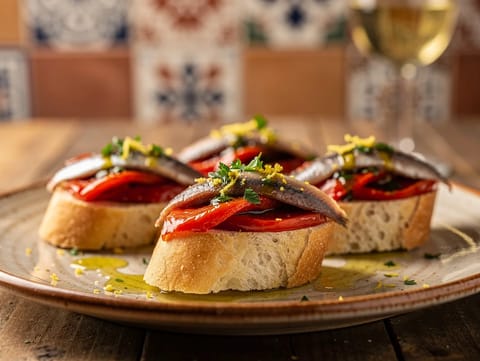
Anchovy and roasted pepper montaditos on crusty bread
Spanish-style ribs baked until tender, then caramelised and served with lemon wedges
Pernil pork shoulder marinated with garlic and citrus, roasted until tender
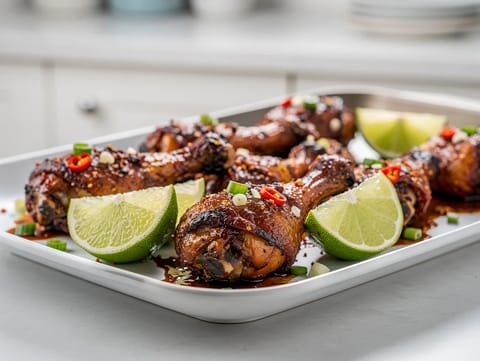
Sticky roasted jerk chicken drumsticks with five-spice and lime
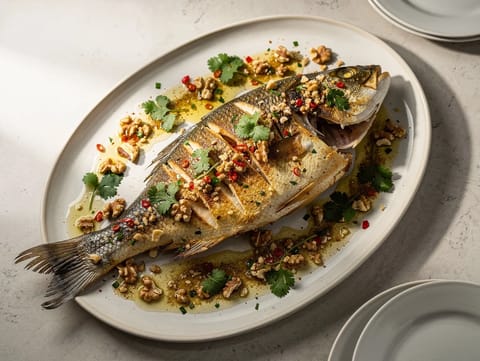
Whole roasted fish with garlic chilli coriander sauce
Use a press when the recipe benefits from garlic that disappears into the background: dressings, dips and sauces where you want flavour without chunks. Choose a knife mince when you want more control over texture and a slightly slower cooking pace, such as for sautéed aromatics. Choose thin slices when you want garlic to be noticeable, or when it will be cooked gently enough to turn sweet rather than sharp. If the recipe uses garlic late in cooking, pressed garlic can give a quick hit of aroma without needing much time. If garlic is cooked early and hard, a coarser cut is often more forgiving.
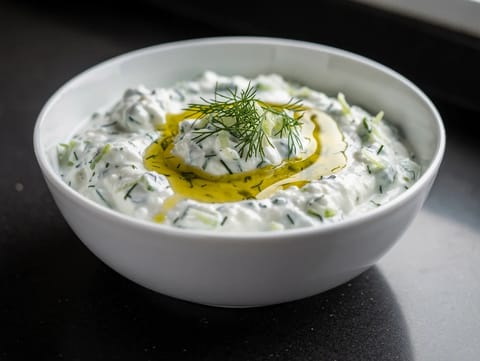
Chilled Turkish yoghurt and cucumber dip with dill and garlic
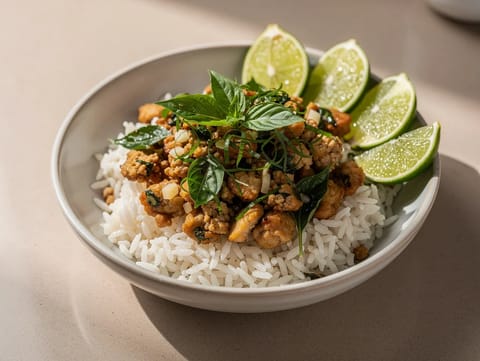
Air-fried Thai basil chicken bites with soy and oyster sauce.
Air-fried Thai shrimp with fish sauce, lime, and garlic.
Whole roasted fish with garlic chilli coriander sauce
Anchovy and roasted pepper montaditos on crusty bread
Sticky roasted jerk chicken drumsticks with five-spice and lime
Spanish-style ribs baked until tender, then caramelised and served with lemon wedges
Pernil pork shoulder marinated with garlic and citrus, roasted until tender
Garlic presses have small holes and moving parts, so keep fingers clear when loading and cleaning. Rinse soon after use, before garlic dries and hardens in the basket. If you are pressing unpeeled cloves, check that the press is designed for it; skins can jam some models and make cleaning harder. When cooking, watch for scorching: bitter notes usually come from garlic that has browned too far. If a pan is very hot, add garlic later, lower the heat, or mix it into a wetter ingredient so it cooks more gently.
Cooking method is a helpful next step because garlic behaves differently depending on whether it is raw, gently sweated, or cooked over high heat. Difficulty can also guide you towards recipes where the garlic prep is straightforward, versus those that rely on careful timing of aromatics to avoid burning and bitterness.
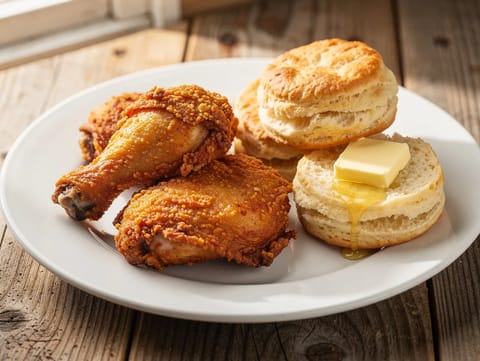
Crisp fried chicken served with warm, fluffy buttermilk biscuits
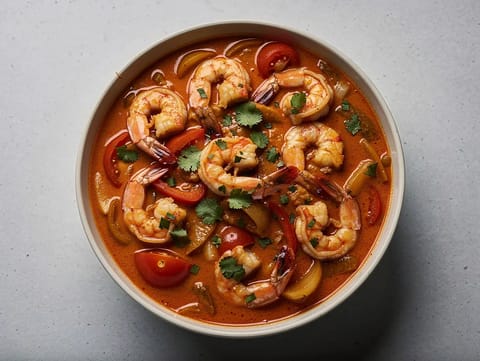
Brazilian prawn stew with coconut milk, vegetables and lime
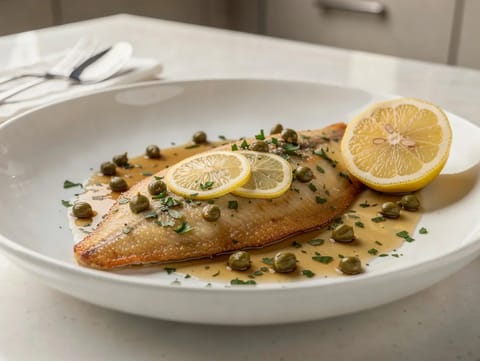
Pan-fried sole with browned butter, capers and lemon
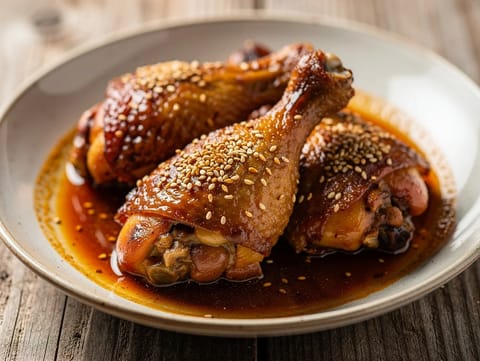
Chicken thighs in tamarind and chipotle sauce with lime
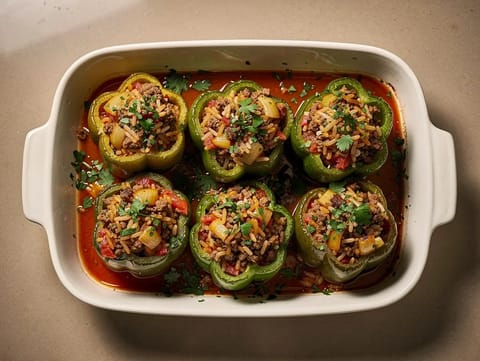
Baked stuffed peppers with minced beef, rice and tomatoes
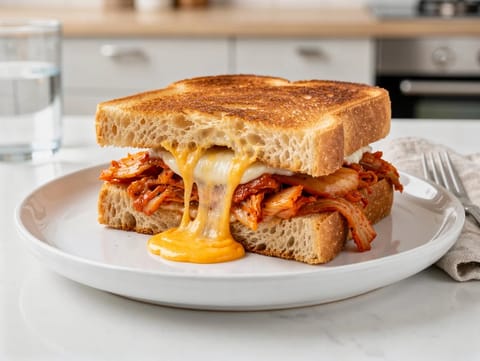
Buttered toastie with cheddar, mozzarella and chopped kimchi
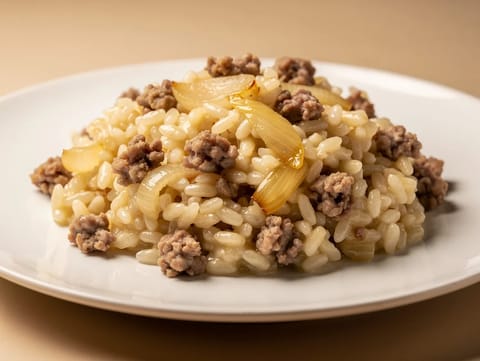
Creamy risotto with Italian sausage and Parmesan
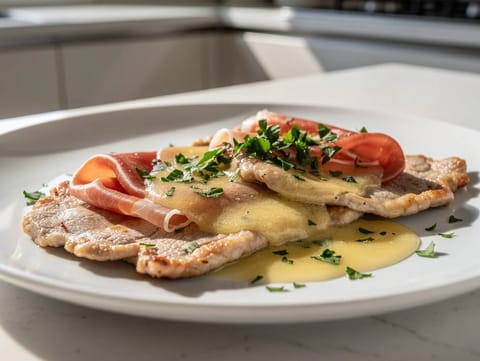
Veal scaloppine with prosciutto and white wine sauce
It often tastes more intense because it is finer and releases more juice. Whether it reads as “stronger” in the finished dish depends on how it is cooked and what it is mixed with.
You can, but it browns quickly. Many recipes add garlic after onions have softened, lower the heat, or add a splash of liquid soon after to prevent scorching.
Some presses can handle unpeeled cloves, but not all. Peeling is more reliable and usually makes cleaning easier.
A fine knife mince is the most flexible. A microplane-style grater also produces a paste similar to pressed garlic, especially useful for dressings and marinades.
Old, dry cloves and leaving garlic to dry in the basket are common causes. Rinse promptly and use a small brush or toothpick to clear holes if needed.
Often, yes. Because the pieces are so small, pressed garlic cooks faster than chopped or sliced, so it may need less time in the pan.
A garlic press is less about convenience alone and more about texture and timing. Use it when you want garlic to blend in quickly, and switch to chopping or slicing when you need more control over browning and bite.
