
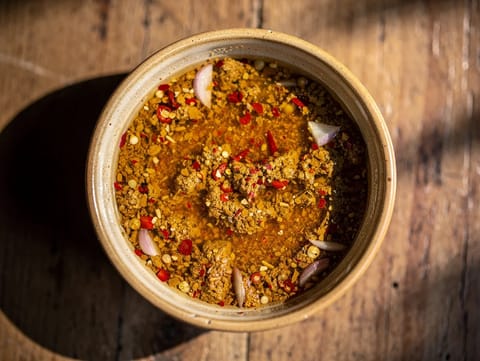
Nam Jim Jaew (Spicy Thai Dipping Sauce)
Spicy Thai dipping sauce with lime, tamarind and toasted rice powder

A mortar and pestle is a small, direct way to crush, grind and bruise ingredients so they release aroma and oils. It can feel awkward at first, but most problems come down to scale and technique: trying to grind too much at once, using the wrong motion, or working with a damp bowl when you need friction. Once you understand what it does well, it becomes a reliable tool for pastes, spice blends and dressings where texture matters as much as flavour.
The mortar provides a rough surface; the pestle provides pressure. Together they excel at turning small amounts of firm ingredients into a paste, or cracking spices to a controlled coarseness. That makes them well suited to garlic and herb pastes, curry pastes, pesto-style mixtures, spice rubs, and dressings where you want a slightly rustic texture. They are less suited to large batches, very hard spices in big quantities, or anything that needs a perfectly even powder quickly. A mortar and pestle also won’t give you the same fine, uniform result as some electric grinders, and it won’t chop leafy herbs as cleanly as a sharp knife when you want distinct pieces rather than bruised leaves.
Spicy Thai dipping sauce with lime, tamarind and toasted rice powder

Lettuce cups filled with minced chicken, lime and herbs
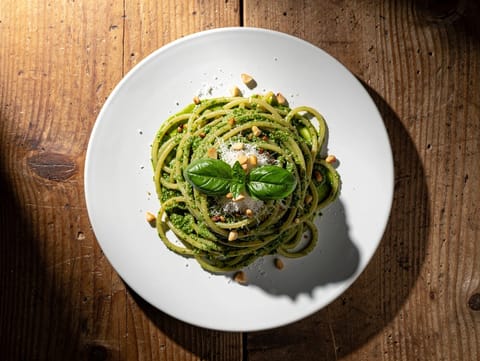
Spaghetti tossed with fresh basil pesto and Parmesan

Slow-roasted suckling pig with garlic and orange
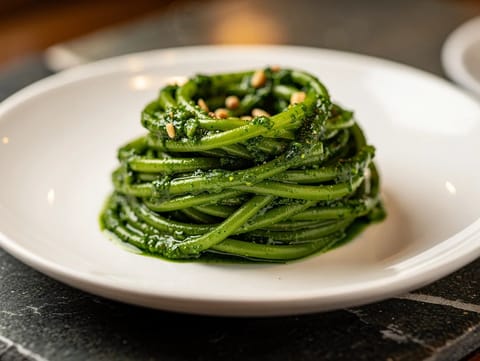
Basil pesto pasta with pine nuts, Parmesan and garlic
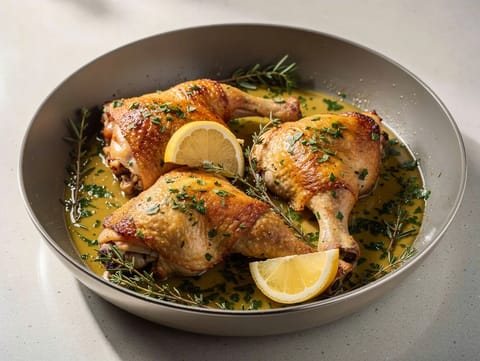
Baked chicken thighs with garlic, herbs and white wine
Overfilling is the quickest way to make grinding feel like a chore. Work in small batches so ingredients can move under the pestle rather than riding up the sides. Use the right motion for the job: a firm pounding to break whole spices, then a circular grinding to refine them. If ingredients skid rather than crush, the mortar may be too smooth for the task, or the mixture may be too wet; add dry ingredients first, or introduce liquids gradually. For fibrous items such as lemongrass or tough herb stems, slice finely before you start. And if the mortar wobbles, set it on a damp cloth to keep it steady.
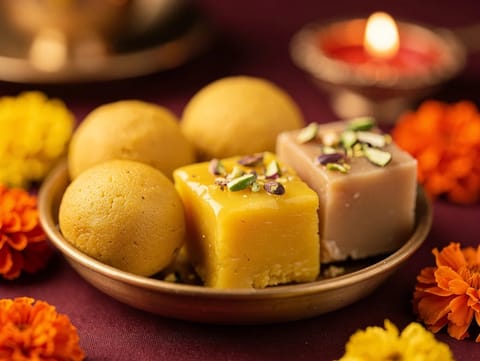
Diwali sweets platter with besan ladoo, coconut barfi and cashew fudge
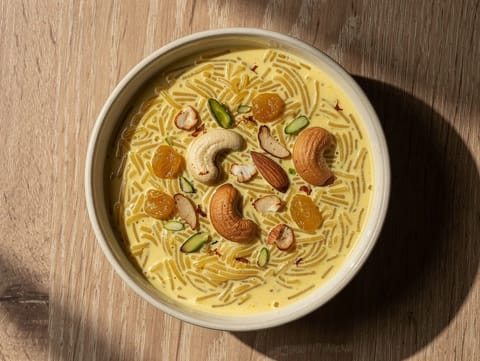
Sweet vermicelli simmered in milk with cardamom and saffron
Baked chicken thighs with garlic, herbs and white wine
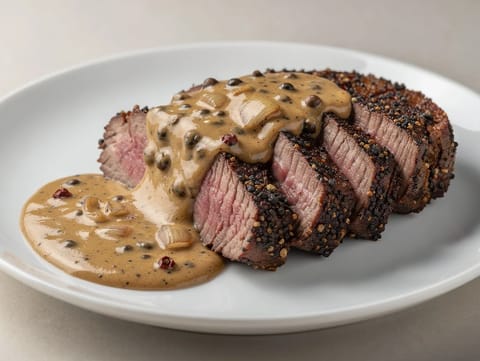
Peppercorn-crusted steak with creamy brandy sauce
Lettuce cups filled with minced chicken, lime and herbs
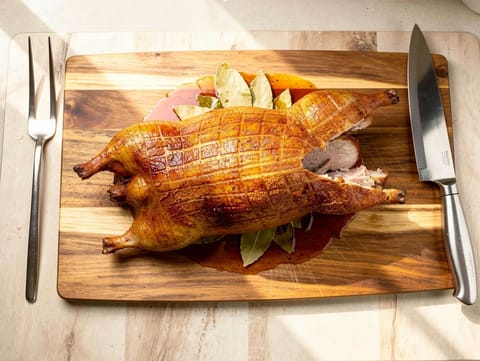
Roast suckling pig with garlic, bay, paprika and white wine
Spaghetti tossed with fresh basil pesto and Parmesan
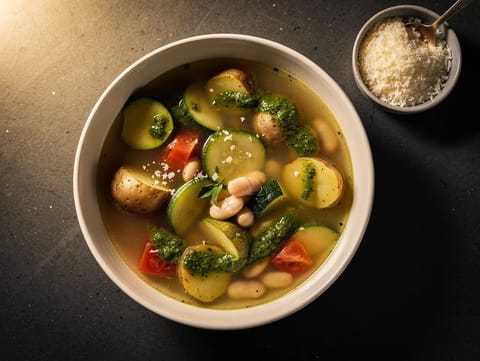
Vegetable and bean soup finished with basil pistou
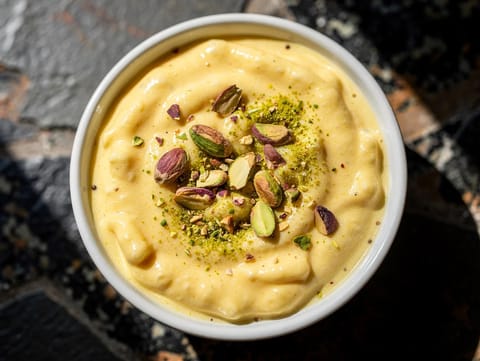
Thickened sweetened milk dessert with cardamom, saffron and pistachios
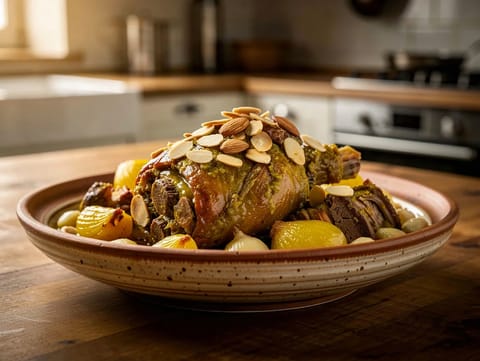
Slow-cooked lamb tagine finished with honey and almonds
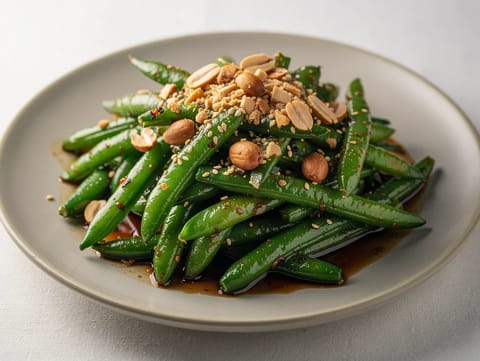
Green bean salad with black vinegar, chilli oil and peanuts
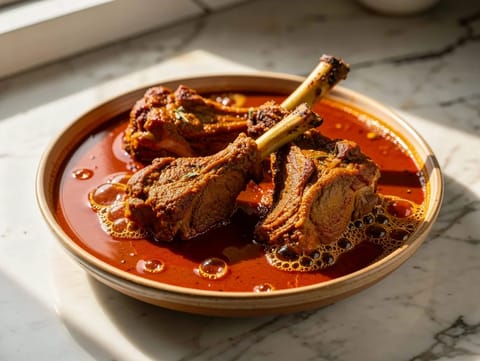
Fiery Rajasthani mutton curry with dried red chillies and yoghurt
Mortars are commonly stone or ceramic, and both can chip if knocked against hard surfaces. Avoid sudden temperature changes, especially with stone. If your mortar is porous, strong flavours such as garlic and chilli can linger; washing promptly helps. For recipes where raw ingredients are crushed, keep the mortar clean and dry between uses, and avoid using a cracked mortar that could shed grit into food.
Mortar-and-pestle recipes often hinge on how ingredients are handled rather than how long they cook. Cooking method is a useful next step for finding recipes built around grinding, pounding or making pastes. Difficulty can also help you judge how much technique is assumed, especially when a recipe relies on texture cues rather than timings.
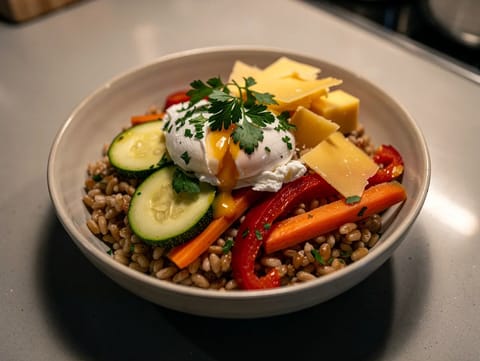
Pearl barley bowl with roasted veg, egg and Gouda

Hawaiian style salmon poke bowl with sushi rice and seaweed.

Steamed plum duff with raisins, sultanas and warm custard
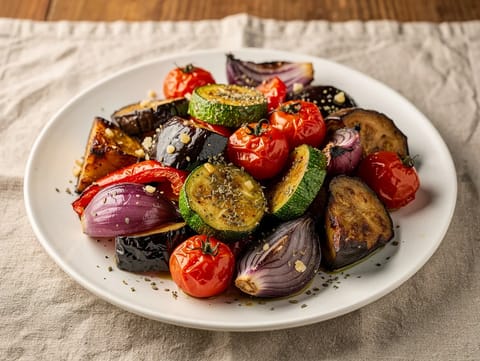
Roasted vegetable traybake with garlic, olive oil and oregano

Spiced lamb kebab skewers cooked until browned in the air fryer.

Air-fried chicken and broccoli tossed in a soy glaze.

Mango smoothie blended with coconut milk, lime, and crushed ice.

Cloudberries, oats and skyr blended into a thick breakfast smoothie.
Not always. A food processor is faster for larger quantities, but a mortar and pestle gives more control over texture and can draw out aroma by bruising ingredients rather than cutting them cleanly.
It’s usually too much spice at once, or the spices are moving rather than being trapped under the pestle. Start with a small amount, pound to crack, then grind in circles to refine.
Yes, especially in smaller batches. You’ll typically get a slightly coarser, more textured result than with a blender, and it helps to add ingredients in stages so the mixture doesn’t become slippery too soon.
A rougher interior creates friction, which helps with dry grinding. A very smooth mortar can be easier to clean and fine for wet pastes, but it may struggle with whole spices unless you work in very small amounts.
Yes. Garlic breaks down readily under pressure, especially with a pinch of salt, which acts as an abrasive and helps draw out moisture.
A mortar and pestle is at its best when you want control: a paste that isn’t perfectly smooth, spices that are cracked rather than powdered, and aromatics that smell vivid as you work. Keep batches small and the tool does the heavy lifting.
