
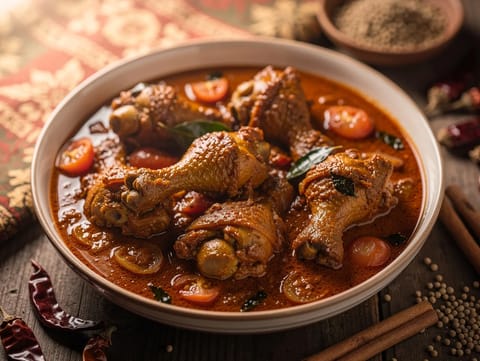
Chicken Chettinad (South Indian Pepper Curry)
South Indian pepper chicken curry with coconut

A spice grinder is a small tool with a very specific payoff: it turns whole spices into a powder or coarse grind just before you cook. That timing matters because many spice aromas fade quickly once ground. A grinder also lets you choose texture, from a fine dust for baking to a coarser crush for rubs and marinades. The main limitations are capacity and cleanup, especially when switching between strongly scented spices.
In recipe terms, a spice grinder is usually a compact electric grinder or a dedicated hand mill used for dry spices. It is designed for small quantities and short bursts, producing anything from a coarse grind to a fine powder depending on the spice and the machine.
It does not replace a blender or food processor for larger batches, and it is not the right tool for wet pastes unless the recipe explicitly calls for that style of grinder. It also behaves differently from a mortar and pestle: a grinder cuts quickly and evenly, while hand grinding tends to bruise and crush, which can give a slightly different texture and release of oils.
South Indian pepper chicken curry with coconut
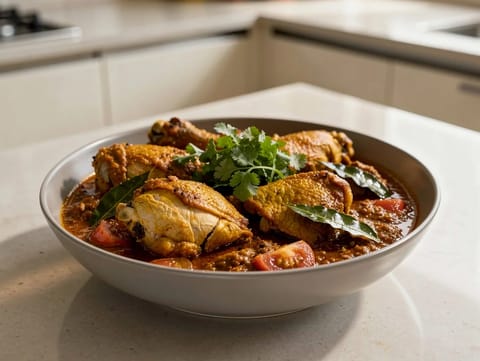
South Indian chicken curry with toasted spices, pepper and coconut
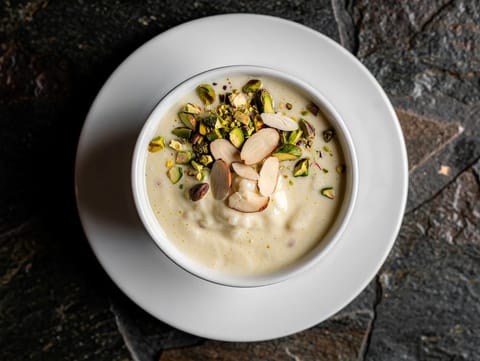
Chilled phirni rice pudding with cardamom, saffron and nuts
Chicken and peppers simmered with tomatoes, toasted whole spices, ginger and garlic
Grinding spices that are not fully dry can lead to clumping and a paste-like smear that is hard to clean. If you toast spices, let them cool before grinding so residual warmth does not create condensation in the bowl.
Overfilling is another frequent problem. Spices need space to move so the blades can catch them; a smaller batch usually grinds more evenly.
Finally, strong aromas linger. If you grind cloves, cumin or pepper and then move straight to a delicate spice blend, the second batch can pick up stray notes. A quick wipe and a brief grind of a neutral dry ingredient, if your grinder’s instructions allow it, helps refresh the bowl between uses.
South Indian pepper chicken curry with coconut
South Indian chicken curry with toasted spices, pepper and coconut
Chilled phirni rice pudding with cardamom, saffron and nuts
Chicken and peppers simmered with tomatoes, toasted whole spices, ginger and garlic
Spice dust is surprisingly airborne. Let the grinder sit for a moment after switching it off so the powder settles before you open the lid, especially with chilli.
Use the grinder only for what it is built for. Hard, resinous or oily ingredients can strain small motors and leave stubborn residues, and some spices can stain plastic parts. Always follow the manufacturer’s guidance for cleaning and for any removable bowl or blade assembly.
Cooking method is a natural next step because whole spices are often toasted, bloomed in fat, or added at different stages, and grinding changes how quickly they release flavour. Difficulty can also help: recipes that ask you to grind and layer spices tend to involve a little more timing and attention than those using pre-ground blends.
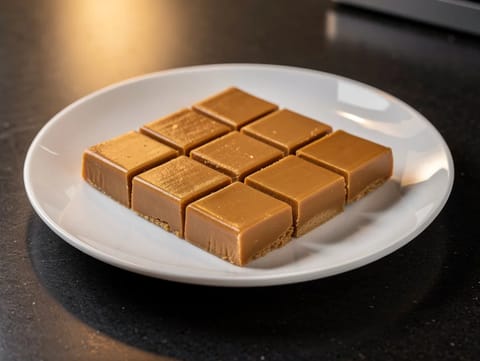
No-bake peanut butter fudge set in the fridge
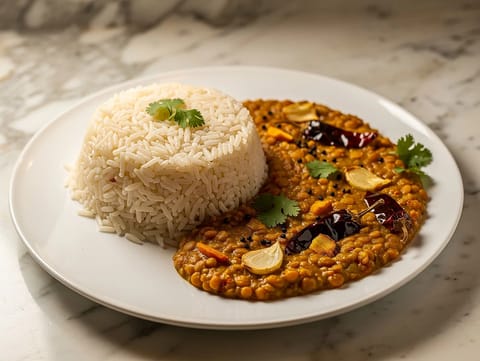
Creamy red lentil tarka dal served with basmati rice
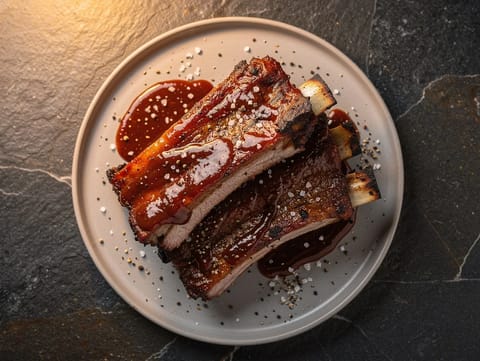
Oven-baked spare ribs glazed with smoky BBQ sauce
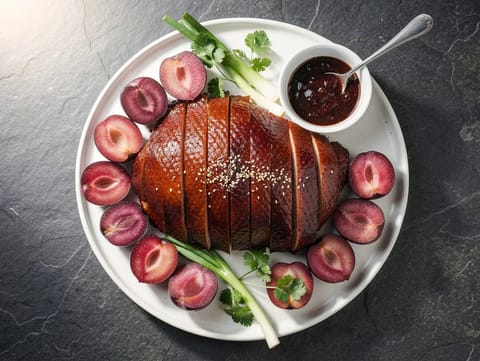
Cantonese roast duck with crisp skin and plum sauce
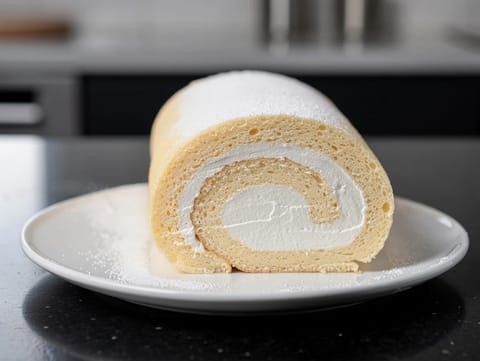
Spanish Swiss roll filled with sweetened whipped cream
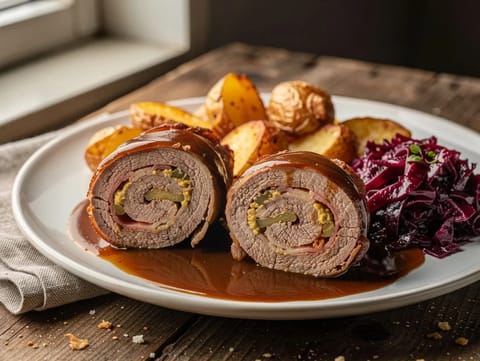
Beef roulades with mustard, bacon, gherkins and gravy
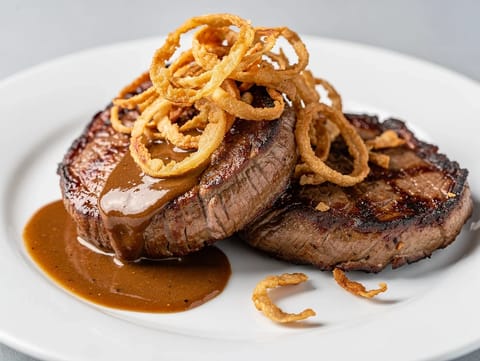
Pan-fried steak topped with crispy onions and pan sauce
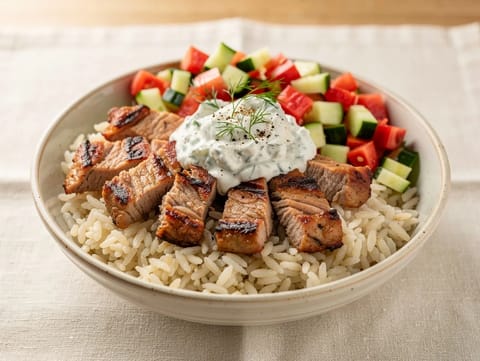
Grilled pork souvlaki served over rice with tzatziki
Not necessarily. A grinder is most useful when a recipe calls for whole spices, or when you want the option of grinding just before cooking for a brighter aroma and more control over texture.
Many small electric grinders are similar in shape and function. The main issue is flavour carryover: coffee oils and strong spices can linger, so many cooks keep separate grinders or dedicate one to spices.
A grinder produces a fast, relatively even grind. A mortar and pestle crushes and bruises, which can leave a coarser texture and can be better for small amounts, pastes, or when you want more control by feel.
Some recipes do, because gentle toasting can deepen aroma. If you toast, cool the spices before grinding so they stay dry and grind cleanly.
Moisture is the usual cause, either from spices that were not fully dry or from grinding while still warm after toasting. Grinding in smaller batches can also help keep the texture even.
It depends on the recipe. Fine powders disperse smoothly in batters and sauces; coarser grinds can be better in rubs, crusts and marinades where you want visible texture.
A spice grinder earns its place when you cook with whole spices and want to decide both freshness and texture at the last moment. Keep batches small, keep the bowl dry, and treat it as a dedicated tool rather than an all-purpose mill.
