
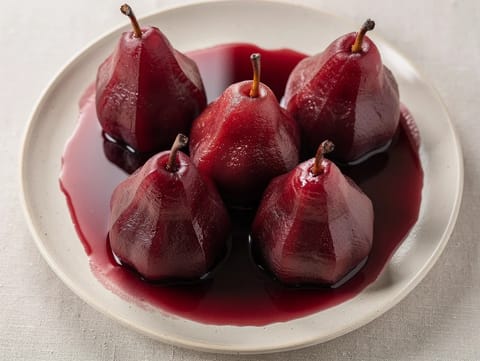
Stoofperen op Vlaamse Wijze (Flemish Stewed Pears)
Pears stewed in red wine with cinnamon and cloves

A vegetable peeler is a speed tool: it removes a thin, even layer with less waste than most knife peeling, and it can also shave vegetables into ribbons for salads, garnishes and quick-cook dishes. Recipes that call for a peeler are usually aiming for that combination of thinness and consistency.
Because the blade is exposed and the motion is repetitive, good technique matters. A stable grip, a sensible direction of travel, and a sharp blade make peeling quicker and noticeably safer.
Peeling is about removing skin cleanly while keeping the vegetable intact. A peeler’s blade is set to skim the surface, which is why it works well on potatoes, carrots and many fruits. Shaving is different: you are deliberately creating thin strips or ribbons, often to change texture or speed up cooking. A peeler can produce wide, flexible shavings that soften quickly in a pan or sit lightly in a salad.
Not every peel needs removing. Some recipes keep skins for colour and texture, while others remove them to avoid toughness or bitterness. The key point is that a peeler gives you a controlled, thin cut, but it cannot do the deeper trimming and shaping that a knife can.
Pears stewed in red wine with cinnamon and cloves
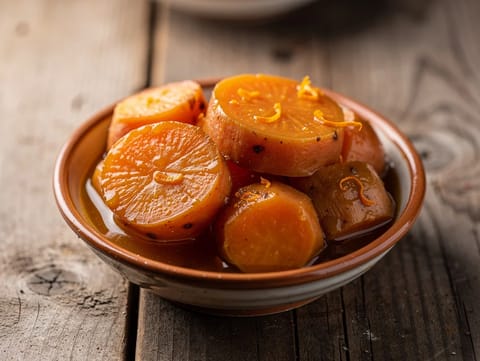
Sweet potatoes simmered in spiced syrup
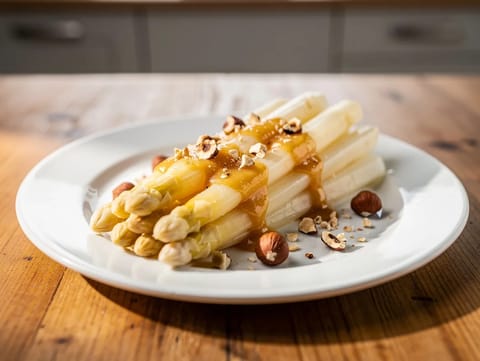
White asparagus with browned hazelnut butter and lemon
For long, fairly straight vegetables, a standard straight peeler is quick and familiar. For rounder items, or when you want to peel towards yourself with a compact motion, a Y-peeler often feels more stable because the blade sits perpendicular to the handle. Julienne peelers create fine matchsticks, which can be useful for quick slaws and garnishes, but they are less versatile for everyday peeling.
If the ingredient is very soft, very knobbly, or needs precise trimming around eyes and blemishes, a small knife can be more accurate than a peeler. For very hard skins, such as some squashes, many cooks switch to a knife for control, then use the peeler for finer finishing where it can bite cleanly.
Sweet potatoes simmered in spiced syrup
White asparagus with browned hazelnut butter and lemon
Pears stewed in red wine with cinnamon and cloves
Peel on a stable surface whenever you can, especially with round vegetables that roll. If you peel in the hand, keep your fingers tucked behind the line of the blade and work in short strokes rather than long, forceful pulls. A blunt peeler is more likely to skid, so replace or sharpen blades when they start to tear the skin instead of slicing it. Take extra care when shaving ribbons: the last few passes are where knuckles tend to meet the blade.
Cooking method is a useful next step because peeling and shaving often change how an ingredient cooks: thin ribbons soften quickly, while whole peeled pieces roast or simmer differently. Difficulty can also help you choose recipes that match your knife skills, especially where peeling is paired with fine slicing or decorative prep.
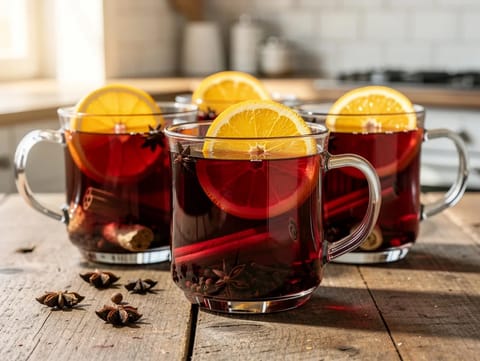
French mulled wine warmed with orange, spices and sugar
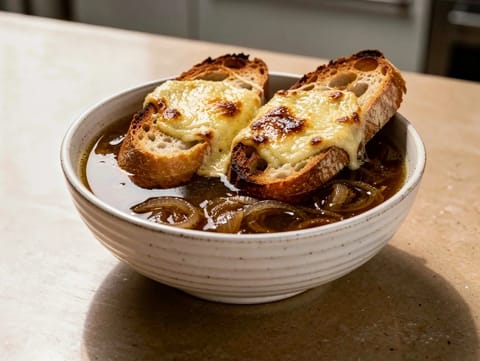
French onion soup topped with toasted baguette and Gruyère
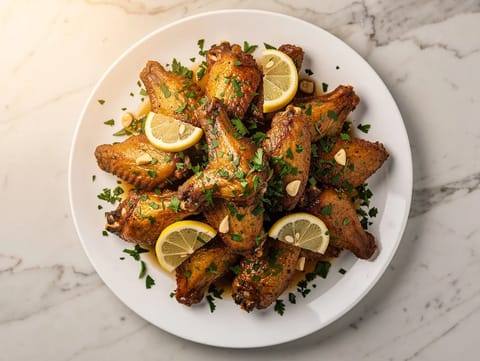
Crispy wings tossed in garlic butter with lemon and parsley.
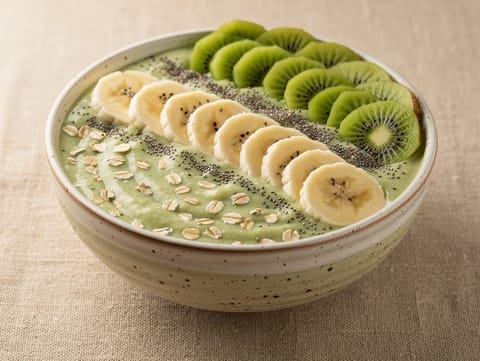
A thick kiwi and banana smoothie bowl with Greek yoghurt.
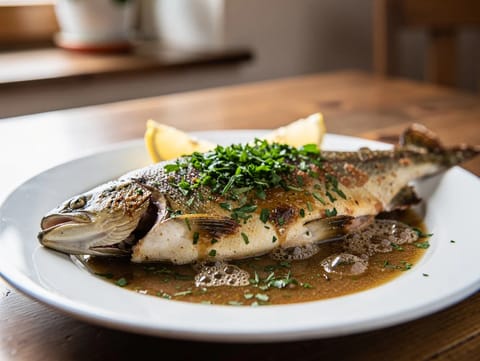
Crisp pan-fried trout finished with brown butter and lemon
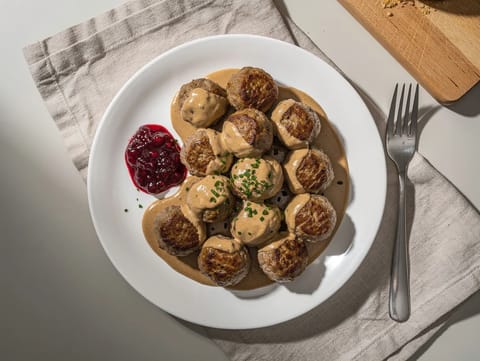
Swedish meatballs in creamy gravy with lingonberry
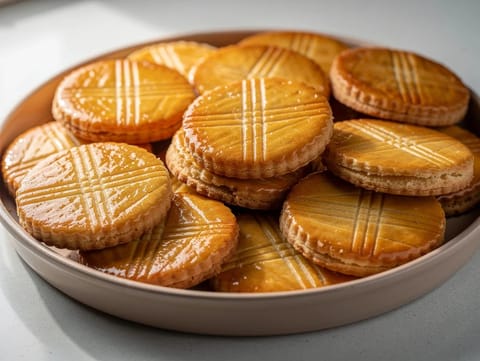
Breton butter biscuits with crisp edges and a tender centre
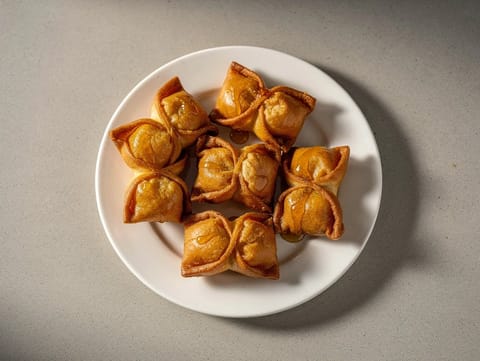
Crisp pestiños pastry fritters dipped in warm honey
A straight peeler has the blade in line with the handle; a Y-peeler has a crosswise blade. Many people find Y-peelers steadier on round produce, while straight peelers feel natural for long strokes on carrots and similar shapes.
It is often a sign the blade is dull or the skin is very wet and sticky. A sharp blade should slice cleanly; if it drags, it tends to bunch up peelings.
When you need precision around bumps, eyes and blemishes, or when the skin is too hard for the peeler to bite cleanly. A knife also lets you square off shapes for neat slicing.
Yes. Ribbons cook quickly and can turn silky in a warm pan. They also overcook fast, so recipes that use ribbons often rely on brief heat or residual warmth.
It depends on the ingredient and the recipe. Some skins are tender and add colour; others stay tough or taste bitter. A recipe calling for a peeler is usually signalling that the skin will get in the way of the intended texture.
A vegetable peeler earns its place when you want thin, even peeling or quick ribbons. Choose the style that suits the ingredient’s shape, and treat stability and sharpness as your main safety tools.
