
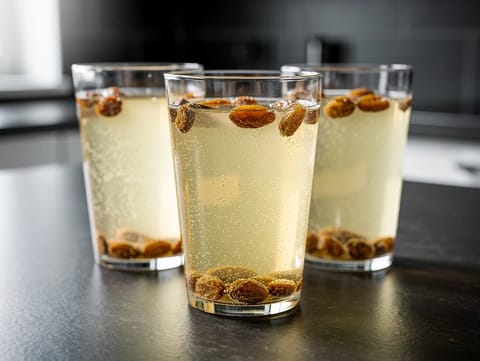
Sima (Finnish Lemon May Day Drink)
Finnish lemon sima, lightly fermented and served chilled with raisins

Fermentation is a method where microbes transform ingredients over time, creating tang, savouriness and aromas you cannot get from heat alone. It can be as simple as letting a dough rise, or as deliberate as fermenting vegetables in brine.
Because fermentation is time-led rather than temperature-led, the practical skill is learning what “ready” looks and smells like, and choosing recipes that match the attention and equipment you have.
A fermented recipe relies on yeast or bacteria to change flavour and texture. In baking, yeast fermentation produces carbon dioxide that lifts dough and builds flavour as it rests. In brined vegetables, lactic acid bacteria create acidity that preserves and sharpens.
Fermentation is not the same as pickling with vinegar, where acidity is added rather than developed. It is also different from simply resting a mixture in the fridge to chill. Some recipes combine methods, for example a fermented base that is later cooked, chilled or blended, but the defining feature is that a living culture does part of the work.
Finnish lemon sima, lightly fermented and served chilled with raisins
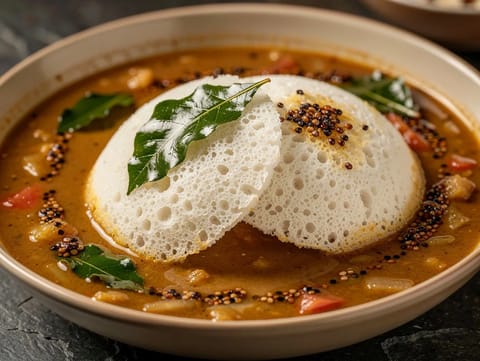
Steamed idli with tangy lentil and vegetable sambar
Thick fermented rice and urad dal uttapams with tomato and onion topping
Fermented jalebi spirals fried crisp, then soaked in saffron cardamom syrup
Thick uttapam made from fermented rice and urad dal, topped with vegetables
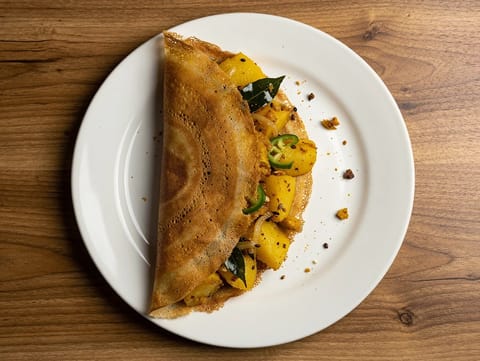
Crisp rice and lentil crêpes stuffed with spiced potatoes
Most fermentation follows a similar pattern: prepare the ingredient (mix a dough, salt vegetables, combine a starter), keep it in a suitable environment, then stop or slow the process when it tastes right. Warmth generally speeds fermentation; cooler temperatures slow it down and often give you more control.
You will often see stages such as bulk fermentation, proofing, or a short ferment followed by refrigeration. In non-baking ferments, recipes may ask you to keep ingredients submerged under brine to limit exposure to air, which helps the desired fermentation dominate and reduces surface spoilage.
Finnish lemon sima, lightly fermented and served chilled with raisins
Steamed idli with tangy lentil and vegetable sambar
Crisp rice and lentil crêpes stuffed with spiced potatoes
Fermented jalebi spirals fried crisp, then soaked in saffron cardamom syrup
Thick uttapam made from fermented rice and urad dal, topped with vegetables
Thick fermented rice and urad dal uttapams with tomato and onion topping
You do not need specialist kit to begin. A clean jar, a bowl and a lid or cloth cover can be enough, depending on the recipe. A kitchen scale is useful where salt ratios matter, and a thermometer can help you understand why a ferment is moving quickly or slowly.
For jar ferments, weights or a smaller jar can keep ingredients under the brine. For sourdough-style baking, a container with straight sides makes it easier to judge rise. Whatever you use, cleanliness matters: fermentation is selective, and you want to give the right microbes the best chance to take hold.
Readiness is usually signalled by a combination of aroma, acidity and texture. Dough becomes aerated and elastic; vegetable ferments turn pleasantly sour and lose their raw harshness. Bubbles are common, but they are not the only indicator.
Time ranges in fermentation are always approximate because room temperature, ingredient temperature and microbial activity vary. If a recipe gives visual cues, use them. If it asks you to taste, do so with a clean utensil. When in doubt, choose recipes that include clear checkpoints rather than relying on a fixed number of hours.
Fermentation is closely tied to time and confidence. Browsing by Cooking time helps you find recipes with a short ferment versus those that mature over days. Difficulty can also be a practical guide, since some ferments are forgiving while others depend on careful ratios and observation.
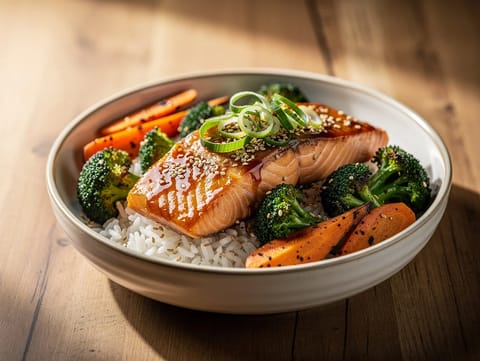
Teriyaki salmon traybake with vegetables and sushi rice
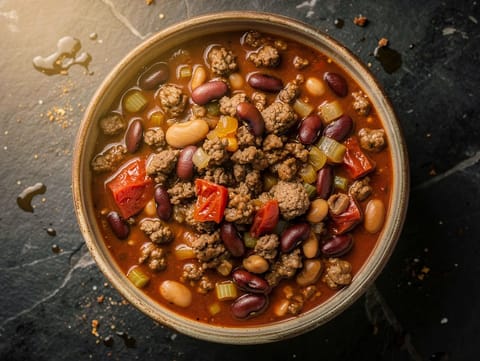
Beef and bean chilli simmered with Belgian beer and tomatoes
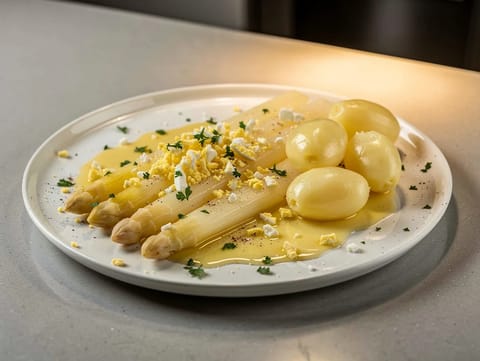
White asparagus with melted butter, chopped eggs and parsley
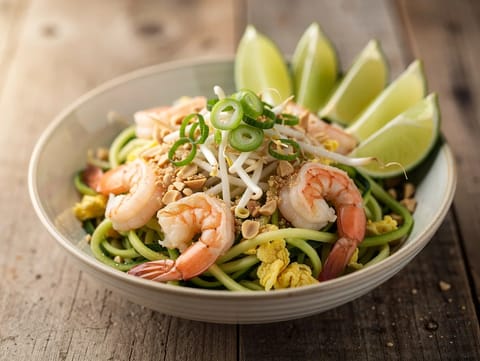
Courgette noodle bowl with prawns, tamarind and peanuts
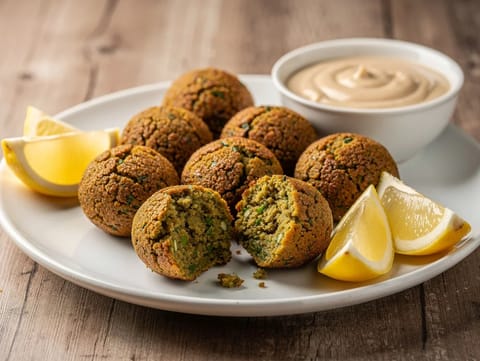
Crisp air fryer falafel with chickpeas, herbs and spices.
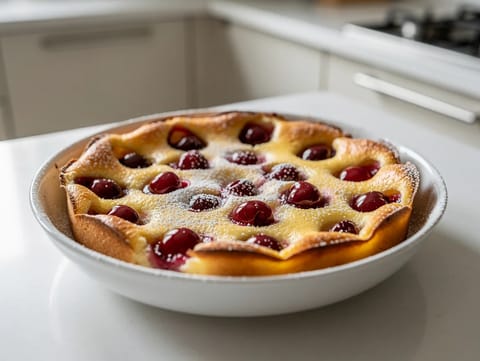
Baked cherry custard made with a simple vanilla batter
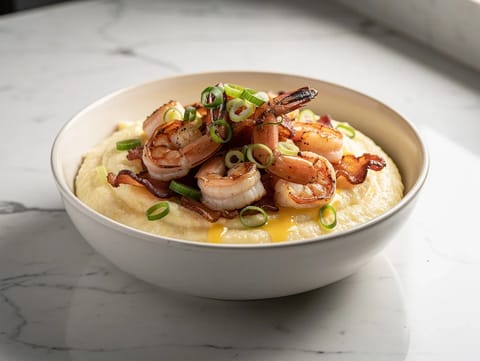
Cheddar grits topped with bacon sautéed prawns and spring onions

Spanish mixed wine drink served chilled over ice
Often it develops some tang, but the flavour depends on the ingredient and the culture. Yeasted dough can taste gently nutty or malty, while lactic ferments tend towards sharper acidity.
Look for signs of change: bubbles, a shift in aroma, softening or expansion. Activity can be subtle in cooler conditions, so recipes that include visual markers are helpful for beginners.
Not always. Many rely on commercial yeast, naturally occurring microbes on vegetables, or cultures introduced through an existing starter. The recipe should specify what is needed.
Lower ambient temperatures slow microbial activity. Many recipes account for this with wider time windows or by suggesting a warmer spot in the kitchen.
No. Pickling with vinegar adds acidity directly. Fermentation develops acidity through microbial action, which also changes flavour and texture in a different way.
The most satisfying fermented recipes are the ones you can check and understand as they change. Start with a method that offers clear cues, give it the time it needs, and let flavour build gradually rather than forcing the pace.
