
Holiday Galbijjim (Korean Braised Beef Short Ribs)
Why this recipe works
- Cleaner-tasting braise: Soaking and blanching the short ribs before braising helps remove excess blood and scum, giving the sauce a clearer, more refined flavour.
- Savoury-sweet depth: Soy sauce, garlic, ginger, brown sugar and sesame oil create the rounded balance that makes galbijjim rich without tasting heavy.
- Tender, generous serving: Slow simmering turns bone-in short ribs soft and succulent while the potatoes and carrots absorb the braising sauce.
Get the most out of this recipe
Timing notes
- Most of the time is inactive: The active work is mainly soaking, blanching and preparing vegetables; the long simmer does the tenderising.
- Reduce just before serving: The final uncovered simmer concentrates the sauce, so finish reducing it close to serving for the glossiest result.
Texture tips
- Keep the simmer gentle: A low, steady simmer helps the ribs become tender while staying intact on the bone.
- Gloss the sauce at the end: Uncover the pot only once the meat and vegetables are cooked, then simmer briefly until the sauce lightly coats the ribs.
Authenticity notes
- Soaking and blanching matter: These early steps are common in Korean braised short rib preparations because they produce a cleaner broth and a neater finished dish.
- Built for the table: Galbijjim is typically served as a shared centrepiece, with the ribs, vegetables and sauce spooned generously from the pot.
- Finishing touches: Dried fruit, toasted pine nuts, sesame seeds and spring onion give the braise the polished, special-occasion character associated with holiday versions.
Make-ahead tips
- Make it in advance: The braise can be cooked ahead, cooled and refrigerated; the flavour settles well and the fat is easier to remove once chilled.
- Reheat gently: Warm in a covered pot over low heat with a little water if needed, then add the pine nuts and sesame seeds after reheating.
- Freeze without garnishes: Freeze the cooked ribs and vegetables without the final nuts, seeds and fresh spring onion so the garnish stays crisp and fresh when served.
Equipment you'll need
Ingredients
Instructions
- Soak the short ribs in a bowl of cold water for 30 minutes, changing the water once if it looks very bloody. Drain well in a colander.
- Put the ribs in a large pot, cover with cold water, and bring to the boil. Boil for 5 minutes to blanch, then drain and rinse the ribs under cold running water, washing away any scum.
- Thinly slice the onion. Finely grate the garlic and ginger.
- Return the ribs to a dutch oven and add the onion, garlic, ginger, soy sauce, dark brown sugar and 900 ml water. Bring to a gentle simmer, cover, and cook for 75 minutes, turning the ribs once or twice, until starting to become tender.
- Meanwhile, peel the carrots and potatoes and cut them into large chunks so they hold their shape. Trim the spring onions and cut into 5 cm lengths, keeping the greener tops for garnish if you like.
- Skim any excess fat from the surface of the braise. Add the carrots, potatoes and dried dates, then cover and simmer for 35 to 45 minutes until the ribs are very tender and the vegetables are just cooked through.
- Uncover and simmer for 10 to 15 minutes to reduce the sauce until glossy and lightly thickened, spooning it over the ribs. Stir in the sesame oil and most of the spring onion, reserving a little for the top.
- Serve the galbijjim hot, spooning plenty of sauce over the ribs and vegetables. Finish with the roasted pine nuts, roasted sesame seeds, and the reserved spring onion.
Recipe notes
Tips
- Keep the simmer very gentle so the ribs stay intact and the sauce stays clear; a hard boil can make the braise cloudy.
- If serving to anyone who is vulnerable, make sure the beef is cooked until piping hot throughout and the sauce is bubbling before serving.
Substitutions
- Replace dark brown sugar with light brown sugar for a slightly lighter caramel note.
- Replace roasted pine nuts with sliced almonds for a similar toasted crunch.
- Replace sesame oil with olive oil if you need a milder finish, but the flavour will be less traditional.
Storage
- Refrigerate up to 3 days
- Cool completely, then refrigerate in a sealed container. Reheat gently in a covered pot over a low heat with a splash of water until piping hot; add the pine nuts and sesame seeds after reheating. Freeze without the garnishes for up to 2 months and defrost overnight in the fridge before reheating.
Ratings & reviews
Liked this recipe? Share your feedback to support our cooking community.
Tried this recipe?
Choose 1–5 stars. A comment is optional.
Stay inspired
Discover new recipes, seasonal favourites and cooking inspiration every day. Follow JustRecipes on Pinterest and Spillt.
Recipe overview
- Servings: 4 servings
- Total time: 3h (35min active)
- Difficulty: Medium
- Cuisine: Korean
-
Allergens:
Sesame Soybeans Tree nuts
Plan your meals and get a complete grocery list automatically.
Add to meal plannerEquipment you'll need
Got ingredients left?
Find recipes using ingredients from this recipe or what you already have at home.
Find recipes with these ingredients →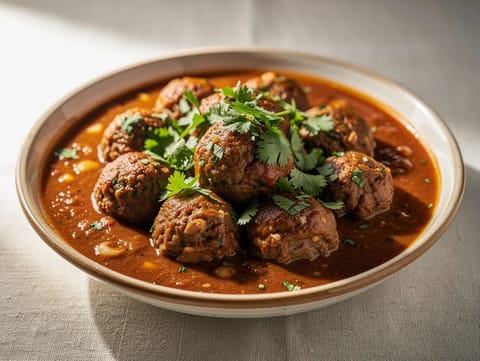
Albóndigas en Chipotle (Beef Meatballs in Chipotle Tomato Sauce)
Beef meatballs simmered in smoky chipotle tomato sauce
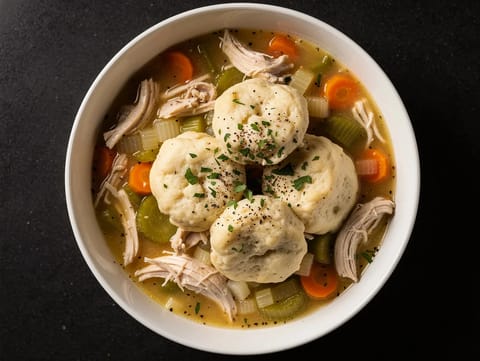
Chicken and Dumplings (Classic Southern)
Chicken stew topped with fluffy buttermilk dumplings
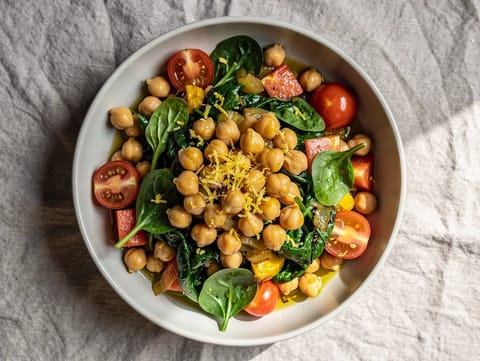
Spanish Chickpea and Tomato Bowl with Spinach
Chickpeas with tomatoes, spinach and smoked paprika
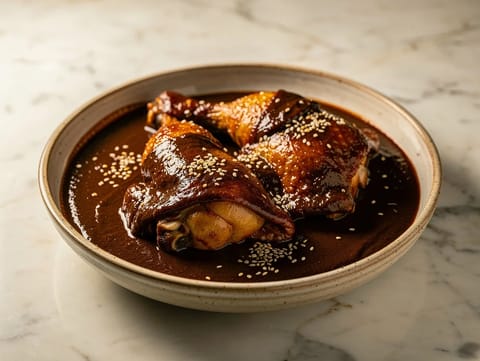
Chicken Mole Poblano
Chicken simmered in mole poblano with chocolate and sesame

Chinese Red-Braised Pork Belly (Hong Shao Rou)
Tender red-braised pork belly in a glossy soy sauce
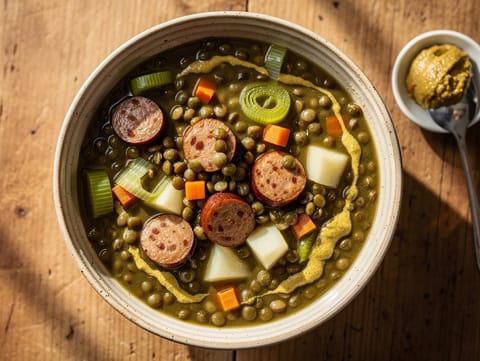
Hollandse Linzenstoof (Dutch Lentil Stew) with Smoked Sausage
Dutch lentil stew with smoked sausage and vegetables

Turkey Meatball Sub
Turkey meatballs in passata sauce baked in rolls with mozzarella
Chicken and Dumplings (Classic Southern)
Chicken stew topped with fluffy buttermilk dumplings
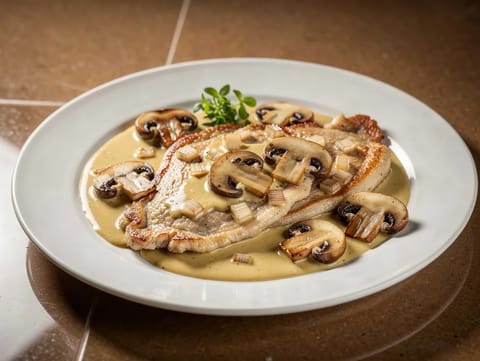
Veal Escalope Normande with Cream and Mushrooms
Pan-fried veal escalopes with creamy cider sauce and mushrooms
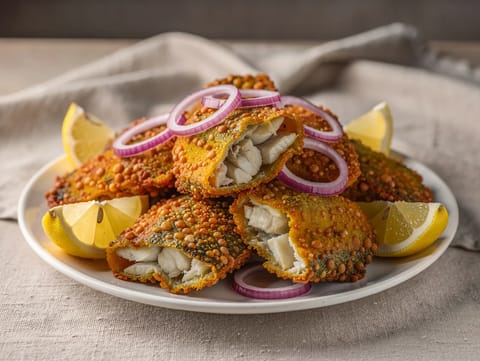
Amritsari Macchi (Spiced Fried Fish)
Punjabi spiced fried fish with a crisp gram flour coating

Tarte Flambée (French Flatbread with Onion and Lardons)
Crisp tarte flambée with onion, lardons and crème fraîche
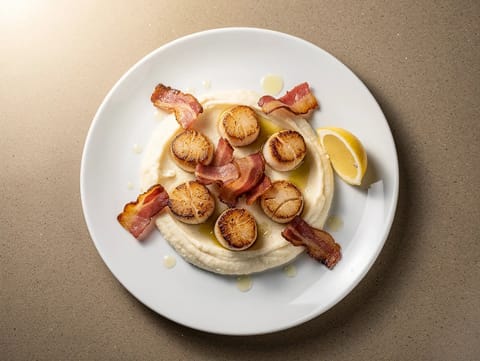
Scallops with Cauliflower Purée and Crispy Pancetta
Pan-seared scallops with cauliflower purée and crispy pancetta
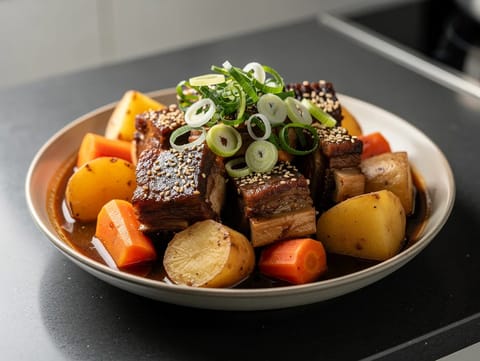
Galbijjim (Korean Braised Beef Short Ribs with Carrots and Potatoes)
Korean braised beef short ribs with potatoes and carrots
Dwaeji Bulgogi (Korean Spicy Pork Stir-Fry with Onion)
Spicy Korean pork stir-fry with onion and spring onions

Tofu Bulgogi Bowl
Tofu bulgogi bowl with rice, sautéed vegetables and sesame
Dakdoritang (Korean Spicy Chicken Stew with Potatoes and Carrots)
Spicy Korean chicken stew with potatoes, carrots and spring onion
Japanese Chicken Rice Bowl with Soy, Mirin and Ginger
Chicken rice bowl with soy, mirin, ginger and spinach
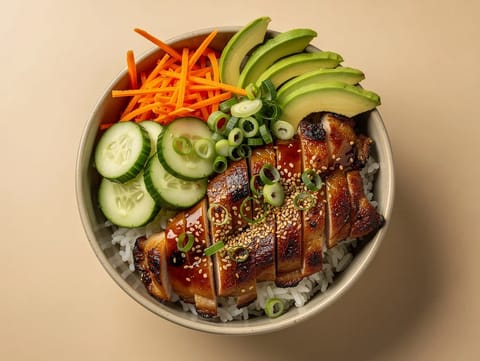
Honey Garlic Chicken Poke Bowl
Honey garlic chicken poke bowl with rice, avocado and cucumber.
You might also like

Kluski Śląskie (Silesian Potato Dumplings with Gravy)
Silesian potato dumplings served with a simple pan gravy
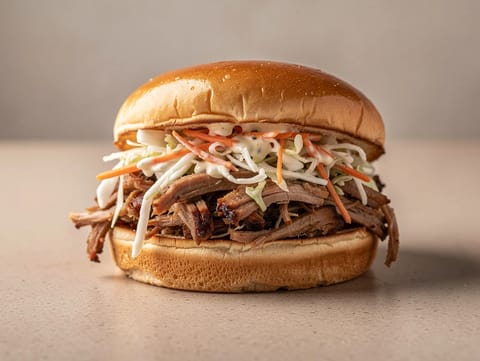
Pulled Pork Bap with Slaw
Pulled pork baps topped with crunchy cabbage slaw
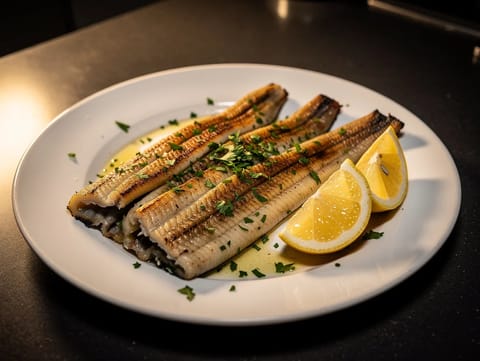
Anguilla alla Griglia (Italian Grilled Eel with Lemon and Garlic)
Italian grilled eel with lemon, garlic and parsley
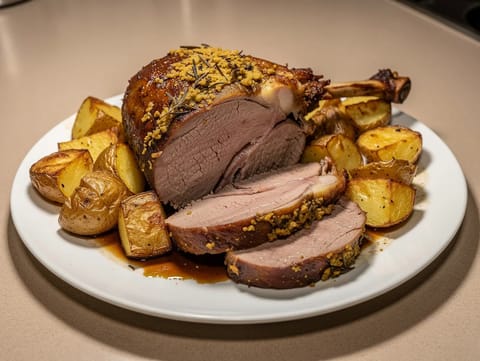
Cordero Asado de Navidad (Spanish Christmas Roast Lamb)
Roast leg of lamb with rosemary, garlic and potatoes
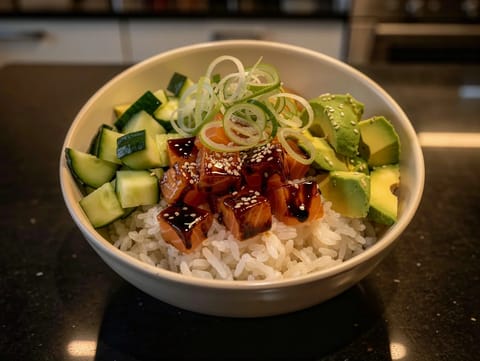
Poke Bowl with Cucumber
Salmon poke bowl with sushi rice, cucumber and avocado.
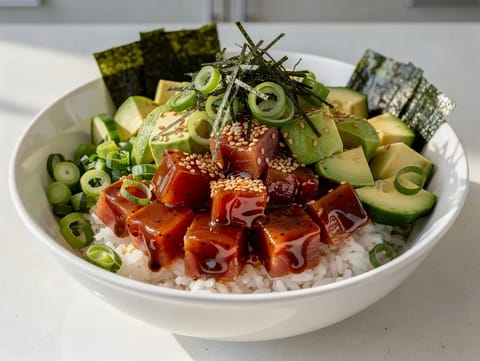
Spicy Tuna Avocado Poke Bowl
Spicy tuna and avocado over sushi rice with sesame.
Make this recipe easier next time
AdvertisementThese tools help you get better results with less effort.
Misen 8-Inch Chef Knife
- AUS-10 steel
- Balanced design
- Less traditional feel
Titanium & PP Double-Sided Cutting Board
- Separate surfaces for meat and produce
- Resists odors and stains
- Harder on knife edges than wood or plastic
WÜSTHOF Classic 8-Inch Chef's Knife
- Excellent build quality
- Reliable edge retention
- Expensive
OXO Good Grips 2-Piece Cutting Board Set
- Two useful sizes with reversible cutting surfaces
- Dishwasher safe and easy to clean
- Plastic surfaces will show knife marks over time
Enjoy cooking with JustRecipes?
Add JustRecipes as one of your preferred Google sources to discover our recipes more easily across Google Search.
Add JustRecipes to GoogleEvery recipe on JustRecipes follows the same structured editorial process. Learn how recipes are created, validated, translated, illustrated, and continuously improved across the platform. How we create recipes.
