
Thịt Kho Trứng (Vietnamese Braised Pork Belly and Eggs in Coconut Water)
Why this recipe works
- Deep savoury-sweet sauce: Caramelised palm sugar, fish sauce, soy and coconut water create a glossy braising liquid with salt, sweetness and umami in balance.
- Caramel first: Coating the pork in amber caramel before simmering gives the dish its distinctive colour and gently bittersweet depth.
- Good for preparing ahead: The braise holds well in the fridge and the flavours continue to settle, making it practical for family meals or festive cooking.
Get the most out of this recipe
Authenticity notes
- Tết association: Thịt kho trứng is commonly served during Tết, when its rich braise and ability to feed a household over several meals make it especially useful.
- Coconut water braise: Coconut water gives the sauce a rounded sweetness without making it taste overtly coconutty.
- Serve with rice: Steamed jasmine rice is the natural pairing, soaking up the salty-sweet sauce and balancing the richness of the pork belly.
Common mistakes
- Do not burn the caramel: Take the sugar to a deep amber, not black. Burnt caramel will make the whole braise taste harsh and bitter.
- Keep the simmer gentle: A rapid boil can toughen the pork and reduce the coconut water too quickly. Low, steady heat gives a softer result.
- Add the eggs near the end: The eggs only need time to warm through and absorb some sauce; simmering them for too long can make the whites overly firm.
Ingredient notes
- Choose layered pork belly: Skin-on pork belly with an even balance of meat and fat gives the best mix of tenderness, richness and gelatinous texture.
- Balance the seasoning late: Fish sauce and soy sauce both bring salt, so taste the braise after simmering before deciding whether it needs more seasoning.
- Control the sweetness: The sauce should taste savoury first, with a gentle sweetness from the caramel and coconut water rather than a sugary finish.
Make-ahead tips
- Flavour improves after resting: The pork and eggs absorb more of the sauce after chilling, so this braise is particularly good made a day ahead.
- Freeze without the rice: The braised pork and eggs can be frozen, but rice is best cooked fresh or stored separately for a better texture.
- Reheat gently: Warm the braise slowly on the hob with a little coconut water if needed, until piping hot throughout.
Equipment you'll need
Ingredients
Instructions
- Put the eggs in a saucepan, cover with cold water, bring to the boil, then simmer for 10 minutes. Drain, cool under cold running water, then peel and set aside.
- Rinse the jasmine rice in a colander until the water runs mostly clear. Cook the rice by your preferred method and keep warm.
- Peel and thinly slice the shallots, and finely chop the garlic. Cut the pork belly into bite-size chunks.
- Set a Dutch oven over medium heat and add the palm sugar with 2 tbsp water. Cook, swirling the pot, until the sugar melts and turns a deep amber caramel.
- Carefully add the pork belly to the caramel and stir to coat. Cook for 6 to 8 minutes, turning, until the pork is lightly browned and the caramel clings to the meat.
- Add the shallot and garlic and cook for 2 minutes until fragrant. Stir in the fish sauce, light soy sauce, coconut water and black peppercorns, scraping up any caramelised bits from the base.
- Bring to a gentle simmer, then reduce the heat to low and cover. Cook for 45 minutes, stirring occasionally, until the pork is tender.
- Add the peeled eggs, making sure they are mostly submerged. Simmer uncovered for 10 to 12 minutes until the eggs are warmed through and the sauce tastes rounded and slightly sweet-savoury.
- Thinly slice the spring onion. Serve the braised pork and eggs with jasmine rice, spooning plenty of coconut sauce over the top and finishing with the spring onion.
Recipe notes
Tips
- Keep the braise at a gentle simmer rather than a rapid boil so the pork stays tender and the coconut water does not reduce too quickly.
- If you are cooking for anyone who is pregnant, elderly, or immunocompromised, make sure the eggs are fully hard-boiled and the dish is reheated until piping hot.
Substitutions
- Replace Palm sugar with Light brown sugar for a similar caramel sweetness.
- Replace Light soy sauce with Fish sauce for a deeper savoury flavour, but reduce the Fish sauce slightly to keep the salt level balanced.
Storage
- Refrigerate up to 3 days
- Cool completely, then refrigerate in a sealed container. Reheat gently on the hob with a splash of Coconut Water until piping hot; freeze without the rice for best texture.
Ratings & reviews
Liked this recipe? Share your feedback to support our cooking community.
Tried this recipe?
Choose 1–5 stars. A comment is optional.
Stay inspired
Discover new recipes, seasonal favourites and cooking inspiration every day. Follow JustRecipes on Pinterest and Spillt.
Recipe overview
- Servings: 4 servings
- Total time: 1h 45min (25min active)
- Difficulty: Medium
- Cuisine: Vietnamese
-
Allergens:
Eggs Soybeans
Plan your meals and get a complete grocery list automatically.
Add to meal plannerEquipment you'll need
Got ingredients left?
Find recipes using ingredients from this recipe or what you already have at home.
Find recipes with these ingredients →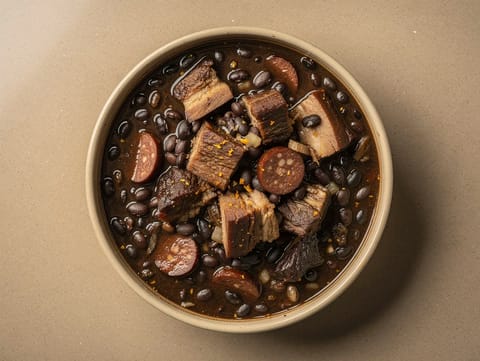
Feijoada (Black Bean Stew with Pork and Smoked Sausage)
Black bean stew with pork and smoked sausage
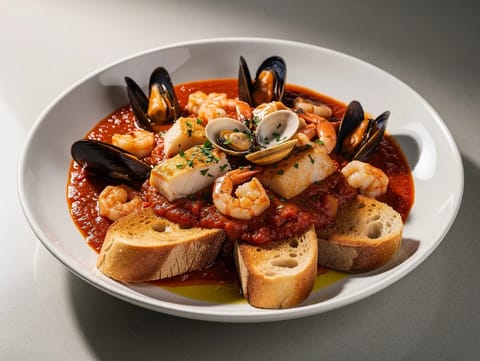
Cacciucco (Tuscan Fish Stew)
Tuscan fish stew served over toasted garlic-rubbed bread
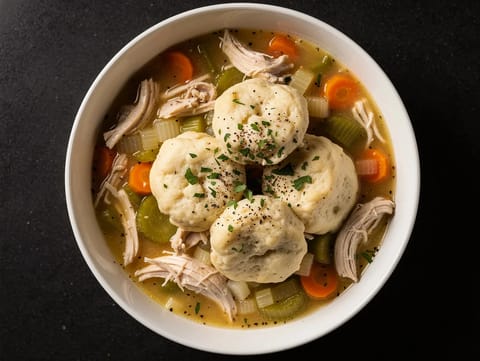
Chicken and Dumplings (Classic Southern)
Chicken stew topped with fluffy buttermilk dumplings
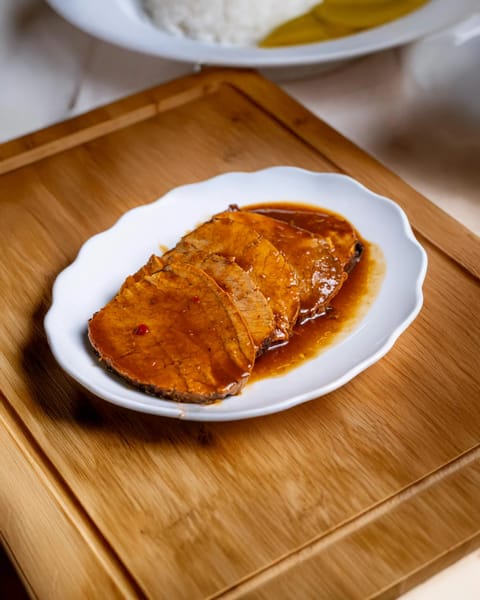
Sauerbraten (German Pot Roast with Tangy Gravy)
German pot roast with tangy gravy thickened with gingersnaps
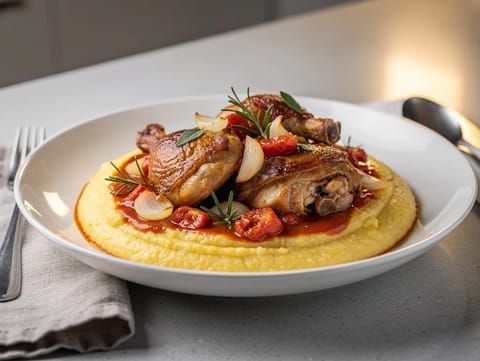
Pollo alla Cacciatora with Polenta
Chicken cacciatore served with buttery Parmesan polenta
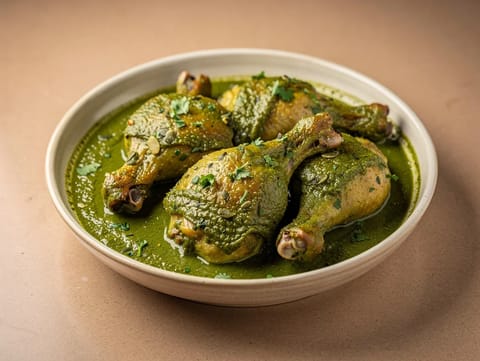
Pollo en Pipián Verde (Chicken in Green Pumpkin Seed Sauce)
Chicken simmered in a thick green pumpkin seed and tomatillo sauce
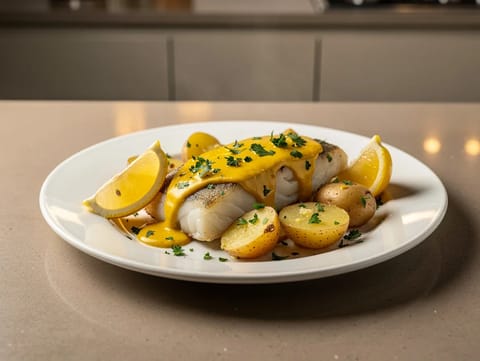
Cod with Mustard Butter and New Potatoes
Pan-fried cod with mustard butter and new potatoes
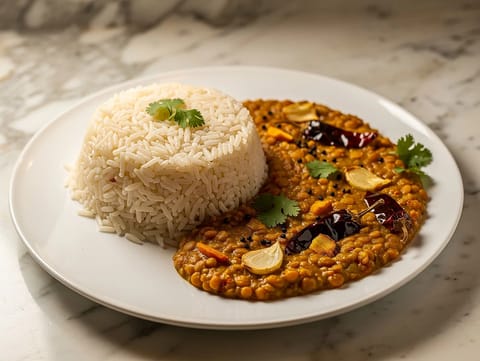
Tarka Dal with Basmati Rice
Creamy red lentil tarka dal served with basmati rice

Baked Macaroni Cheese with Cheddar, Gruyère and Breadcrumbs
Baked macaroni cheese with Cheddar, Gruyère and breadcrumbs
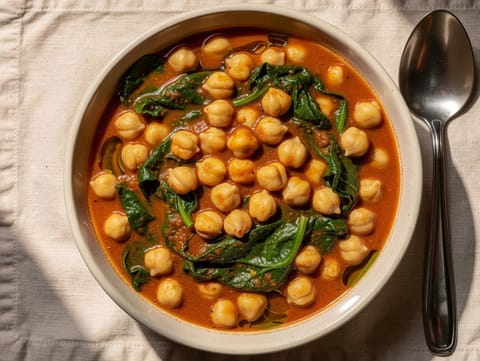
Garbanzos con Espinacas (Spanish Chickpeas with Spinach)
Spanish chickpea stew with spinach, cumin and paprika
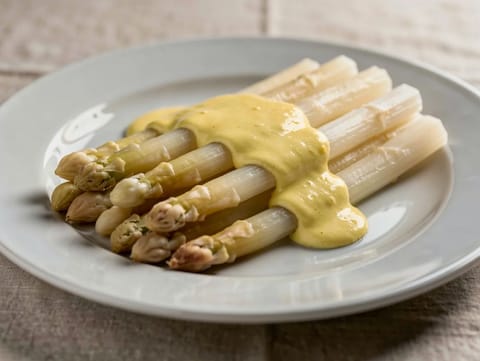
Spargel mit Hollandaise (White Asparagus with Hollandaise Sauce)
Boiled white asparagus served with classic lemony hollandaise sauce
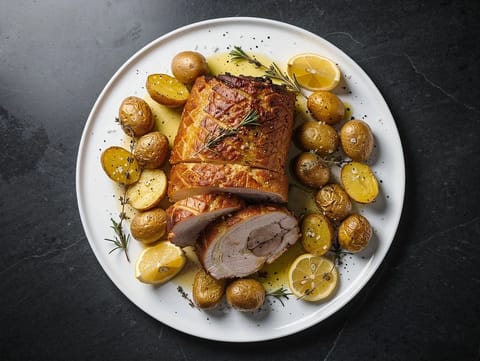
Porchetta con Patate al Forno (Rolled Pork Belly with Roast Potatoes)
Rolled pork belly with roast potatoes and herbs
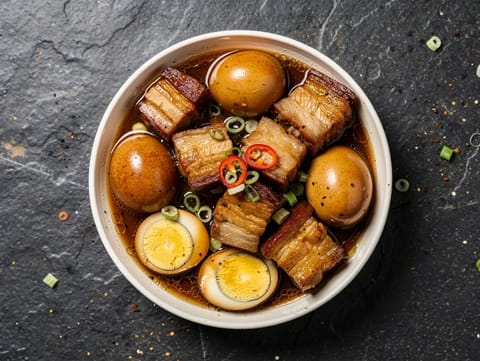
Tết Braised Pork Belly with Eggs
Braised pork belly with eggs in coconut water sauce
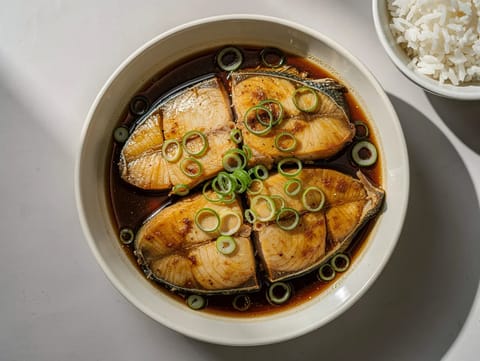
Cá Kho Tộ (Caramelised Fish Braise)
Caramelised fish braise served with jasmine rice
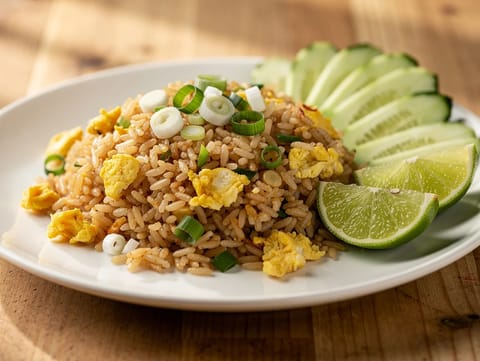
Khao Pad (Thai Fried Rice with Egg)
Thai fried rice with egg, garlic and lime

Khao Pad Sapparod (Thai Pineapple Fried Rice)
Thai pineapple fried rice with prawns, egg and spring onion
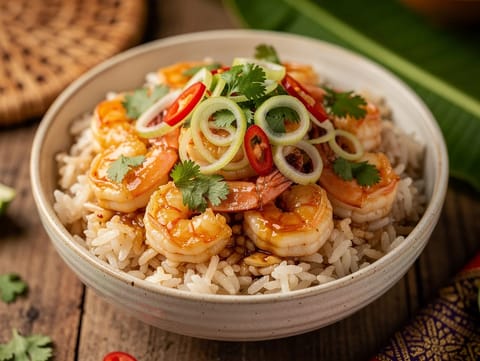
Air Fryer Thai Shrimp
Air-fried Thai shrimp with fish sauce, lime, and garlic.

Modern Congee Bowl
Jasmine rice congee topped with egg, soy and sesame oil
You might also like
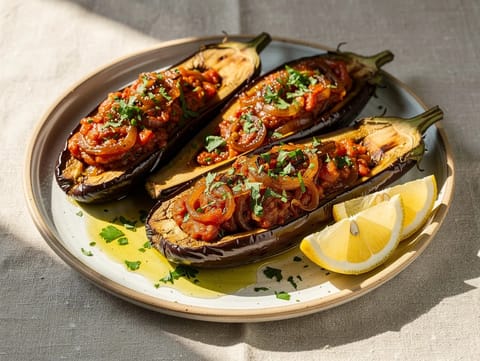
Imam Bayildi (Turkish Stuffed Aubergine with Tomato and Onion)
Baked stuffed aubergines with tomato, onion, garlic and parsley
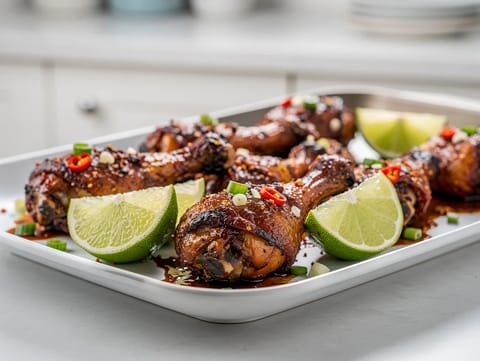
Five-Spice Jerk Chicken Drumsticks
Sticky roasted jerk chicken drumsticks with five-spice and lime

Krapfen (Italian-Style Jam Doughnuts)
Yeast doughnuts filled with apricot jam and sugar
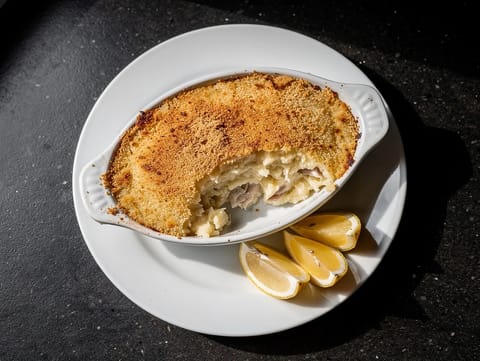
Brandade de Morue Gratinée (Salt Cod and Potato Gratin)
Salt cod and potato brandade baked with a golden breadcrumb topping

Air Fryer Bacon
Crispy air fryer bacon cooked quickly in a single layer.
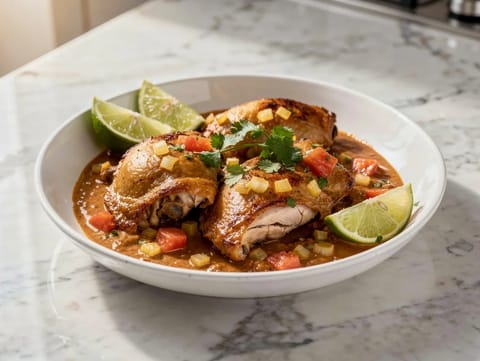
Pollo en Salsa de Chipotle (Chicken in Creamy Chipotle Sauce)
Chicken simmered in creamy chipotle and tomato sauce
Make this recipe easier next time
AdvertisementThese tools help you get better results with less effort.
KitchenAid Stainless Steel Mixing Bowls
- Non-slip base
- Stainless steel
- Not microwave safe
T-fal Specialty Nonstick Handy Pot with Glass Lid 3 Quart
- Easy food release
- Dishwasher safe
- Not induction compatible
OXO Good Grips Stainless Mixing Bowl Set
- Non-slip base
- Comfort grip
- Higher price
WMF Mini Saucepan 16 cm with Lid
- High-quality stainless steel
- Even heat distribution
- Higher price point
Enjoy cooking with JustRecipes?
Add JustRecipes as one of your preferred Google sources to discover our recipes more easily across Google Search.
Add JustRecipes to GoogleEvery recipe on JustRecipes follows the same structured editorial process. Learn how recipes are created, validated, translated, illustrated, and continuously improved across the platform. How we create recipes.
