
Braised Lamb Shanks with Minted Gravy
Why this recipe works
- Deep savoury base: Browning the lamb, softening the vegetables and cooking out the tomato purée build flavour before the liquid is added.
- Tender, slow-braised meat: A low, gentle simmer gives the connective tissue in the shanks time to soften, producing succulent meat that loosens from the bone.
- Balanced richness: Red wine and tomato purée bring acidity to the stock-based gravy, keeping the lamb from feeling too heavy.
- Classic mint finish: Fresh mint cuts through the richness of the lamb and gives the gravy a clean, familiar finish.
Get the most out of this recipe
Timing notes
- Cook until truly tender: The lamb is ready when it is very tender and nearly falling from the bone, not simply when the braising time has elapsed.
- Mostly hands-off: The active work is mainly browning, building the braise and finishing the gravy; the long simmer does most of the tenderising.
Texture tips
- Keep the simmer low: The liquid should barely bubble during braising; a hard boil can toughen the meat and make the gravy cloudy.
- Brown properly at the start: Drying and lightly flouring the shanks helps them colour well, which adds depth to both the meat and the final gravy.
Make-ahead tips
- Good made ahead: The lamb and gravy can be cooled and refrigerated together, then reheated gently until piping hot.
- Freezes well: Freeze the cooked lamb with its gravy, then defrost overnight in the fridge before reheating slowly.
- Loosen the gravy if needed: If the sauce thickens after chilling, add a little extra stock while reheating.
Ingredient notes
- Use bone-in shanks: Bone-in lamb shanks give the braise structure and help create a fuller, more rounded gravy.
- Fresh mint matters: Fresh mint gives a cleaner, brighter finish than dried mint, which can taste dusty in a reduced gravy.
- Wine choice: Red wine gives a deeper gravy, while dry white wine makes the sauce lighter and slightly brighter.
Equipment you'll need
Ingredients
Instructions
- Pat the lamb shanks dry, then season all over with the fine sea salt and black pepper. Dust with the plain flour, shaking off any excess. Finely chop the onion, cut the carrots and celery into chunky pieces, and lightly crush the garlic cloves.
- Heat the olive oil in a Dutch oven over medium-high heat. Brown the lamb shanks well on all sides, 8 to 10 minutes in total, then transfer to a plate. Lower the heat to medium if the floury bits start to catch too quickly.
- Add the onion, carrots and celery to the pot and cook, stirring, until the onion softens and the veg takes on a little colour, about 6 to 8 minutes. Stir in the garlic and cook for 1 minute. Add the tomato purée and cook for 1 minute more to deepen its flavour.
- Pour in the red wine and scrape up the browned bits from the base of the pot. Simmer for 5 to 7 minutes to reduce slightly. Add the beef stock and bay leaves, then return the lamb shanks to the pot, nestling them into the liquid.
- Bring to a gentle simmer, then cover and cook on a very low heat for 2 hours, turning the shanks once halfway through. The liquid should barely bubble. The lamb is ready when it is very tender and nearly falling from the bone.
- Transfer the lamb shanks to a warm serving dish and loosely cover. Strain the braising liquid into a saucepan, pressing the vegetables to extract their juices, then discard the solids and bay leaves. Simmer the liquid for 10 to 15 minutes until it coats the back of a spoon.
- Finely chop the fresh mint and stir most of it into the gravy, keeping a little back for serving. Taste and adjust seasoning with a pinch more fine sea salt and black pepper if needed. Spoon the minted gravy over the lamb shanks and finish with the reserved mint.
Recipe notes
Tips
- For the best browning, make sure the lamb shanks are well dried before flouring and do not overcrowd the pot; brown in batches if needed.
- Keep the braise at a very gentle simmer so the lamb stays succulent and the gravy stays clear rather than cloudy.
- If you are serving vulnerable groups, ensure the lamb is cooked until very tender and piping hot throughout.
Substitutions
- Replace red wine with dry white wine for a lighter, slightly brighter gravy.
- Replace fresh mint with fresh flat-leaf parsley for a more classic, less menthol finish.
Storage
- Refrigerate up to 3 days
- Cool completely, then refrigerate the lamb and gravy together in a sealed container. Reheat gently in a covered saucepan over low heat, adding a splash of beef stock if the gravy has thickened, until piping hot. Freeze for up to 2 months; defrost overnight in the fridge before reheating.
Ratings & reviews
Liked this recipe? Share your feedback to support our cooking community.
Tried this recipe?
Choose 1–5 stars. A comment is optional.
Stay inspired
Discover new recipes, seasonal favourites and cooking inspiration every day. Follow JustRecipes on Pinterest and Spillt.

Recipe overview
- Servings: 4 servings
- Total time: 3h 15min (30min active)
- Difficulty: Medium
- Cuisine: British
-
Allergens:
Gluten Wheat
Plan your meals and get a complete grocery list automatically.
Add to meal plannerEquipment you'll need
Got ingredients left?
Find recipes using ingredients from this recipe or what you already have at home.
Find recipes with these ingredients →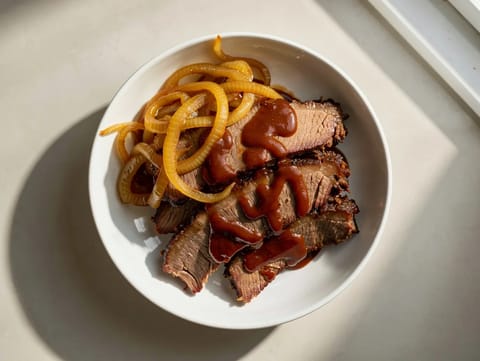
Slow Cooker Beef Brisket with BBQ Sauce
Slow-cooked beef brisket finished with glossy BBQ-style sauce
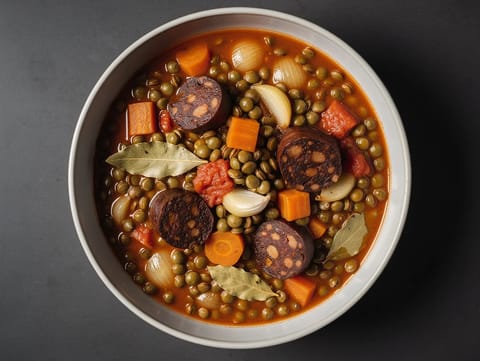
Lentejas con Chorizo y Morcilla (Spanish Lentil Stew)
Spanish lentil stew with chorizo and morcilla
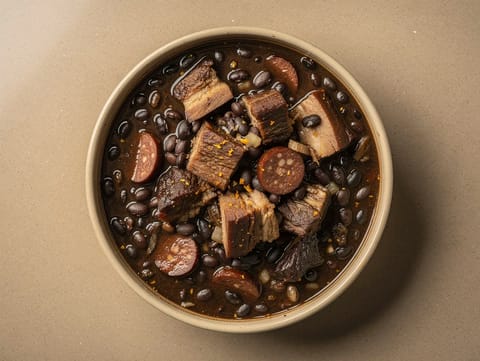
Feijoada (Black Bean Stew with Pork and Smoked Sausage)
Black bean stew with pork and smoked sausage
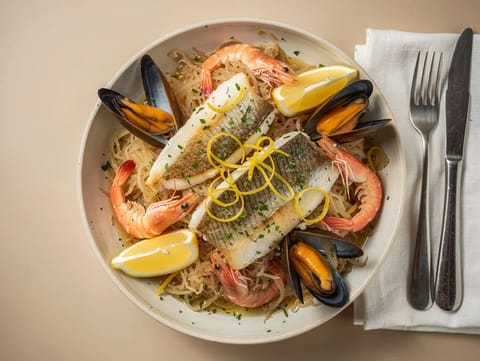
Choucroute de la Mer (Seafood Sauerkraut)
Sauerkraut warmed with white wine, then steamed with seafood
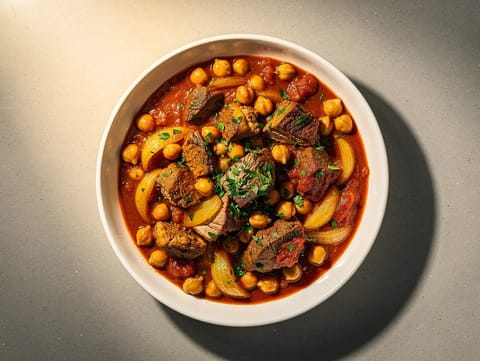
Middle Eastern Lamb and Chickpea Stew
Slow-simmered lamb and chickpea stew in a spiced tomato sauce
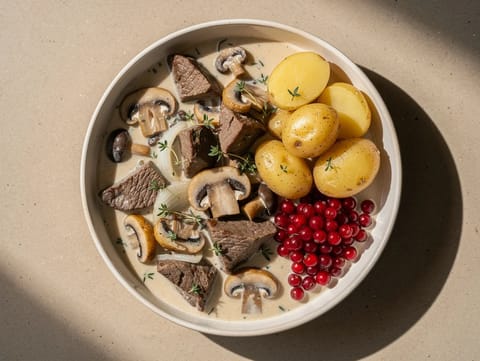
Finnbiff (Nordic Reindeer Stew with Mushrooms)
Nordic reindeer stew with cream and mushrooms
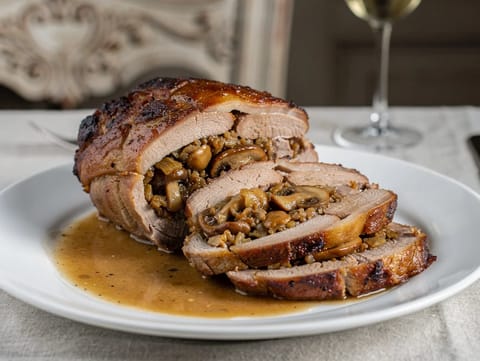
Veau Orloff (Roasted Veal with Mushroom and Onion Stuffing)
Roast veal layered with mushroom and onion stuffing
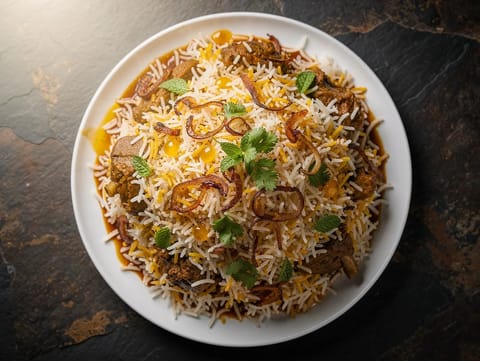
Hyderabadi-Style Lamb Biryani
Hyderabadi-style lamb biryani layered with rice and fried onions
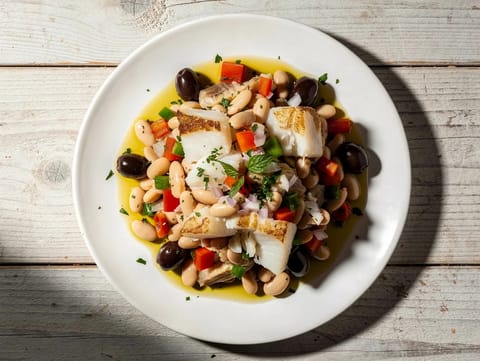
Empedrat (Catalan Salt Cod and White Bean Salad)
Catalan salt cod and white bean salad with tomato and peppers
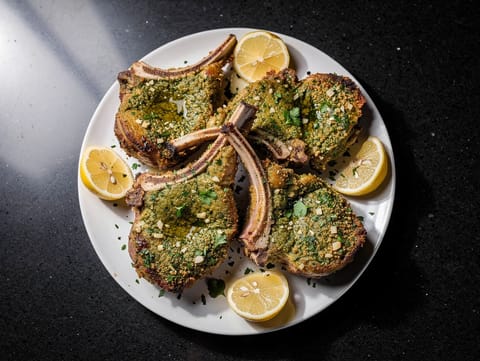
Côtelettes d’Agneau Persillées (Herb-Crusted Lamb Cutlets)
Crisp herb-crusted lamb cutlets finished with lemon

Seco de Pollo (Ecuadorian Chicken Braised with Beer and Tomato)
Ecuadorian chicken braised with beer, tomato, peppers and coriander
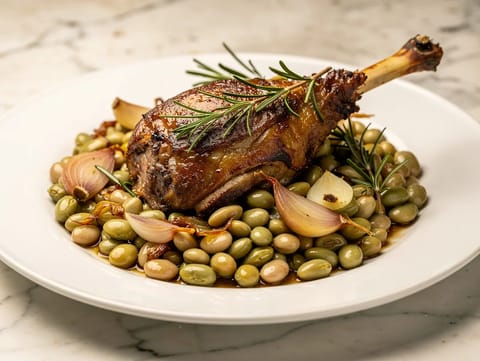
Gigot d’Agneau Rôti (Roast Leg of Lamb) with Flageolet Beans
Roast leg of lamb with flageolet beans and rosemary
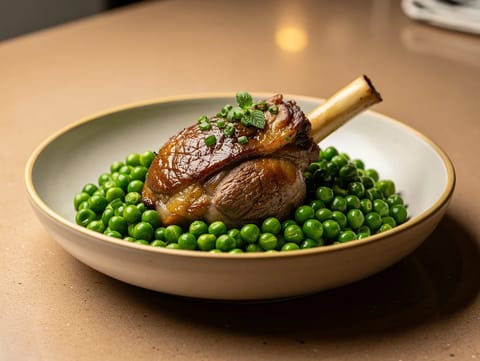
Slow-Cooked Lamb Shank with Minted Peas
Slow-cooked lamb shanks with red wine gravy and minted peas
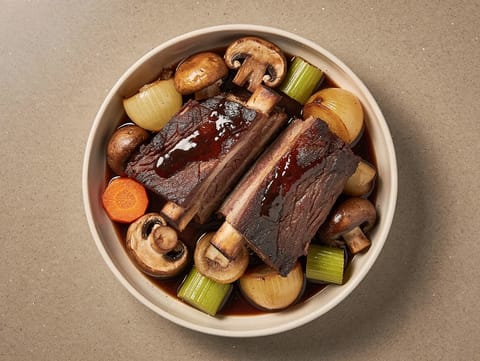
Braised Short Ribs with Red Wine and Mushrooms
Red wine braised beef short ribs with mushrooms and onions
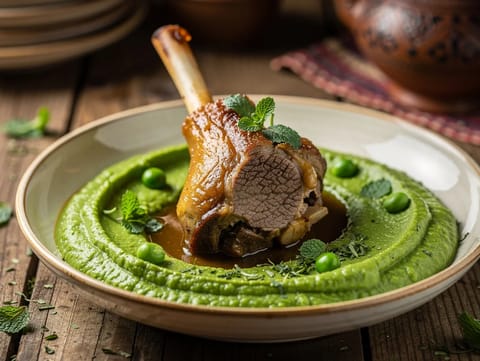
Lamb Shank with Minted Pea Purée
Braised lamb shanks with minted pea purée and gravy
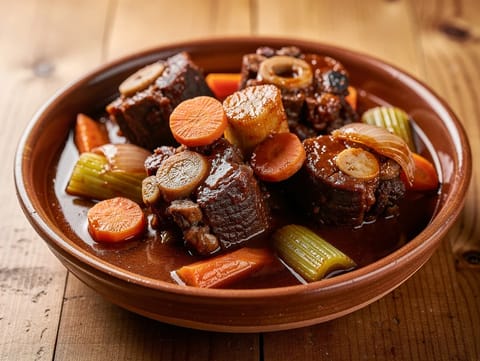
Rabo de Toro Cordobés (Córdoba Oxtail Stew)
Oxtail stew braised with red wine and beef stock
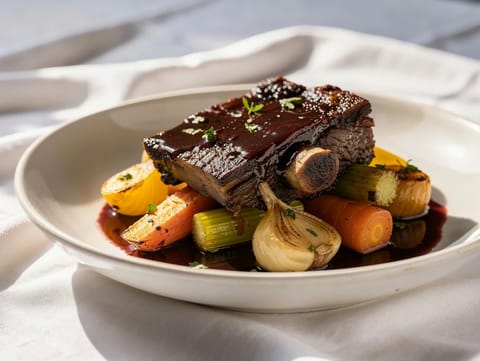
Slow-Braised Short Ribs with Red Wine
Slow-braised beef short ribs in red wine
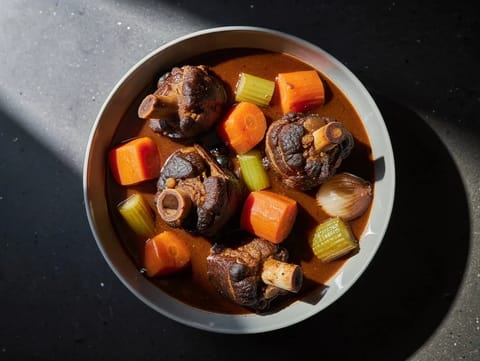
Slow-Cooked Oxtail Stew
Slow-cooked oxtail stew with red wine
You might also like
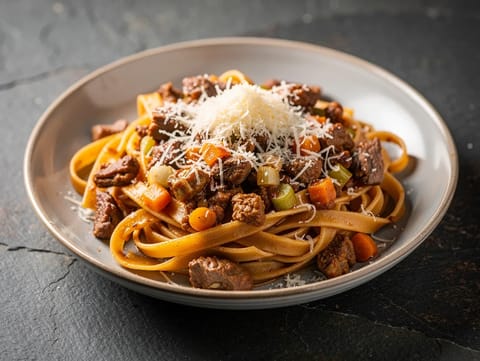
Tagliatelle al Ragù di Cinghiale (Tagliatelle with Wild Boar Ragù)
Tagliatelle with slow-simmered wild boar ragù
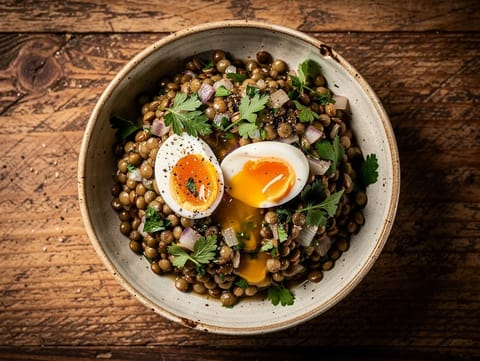
Lentilles du Puy with Dijon Vinaigrette and Soft-Boiled Egg
Puy lentils in Dijon vinaigrette topped with a soft-boiled egg
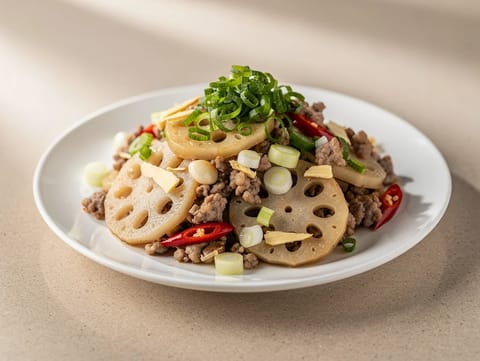
Stir-Fried Lotus Root with Pork and Chilli
Crisp lotus root stir-fry with minced pork and chilli
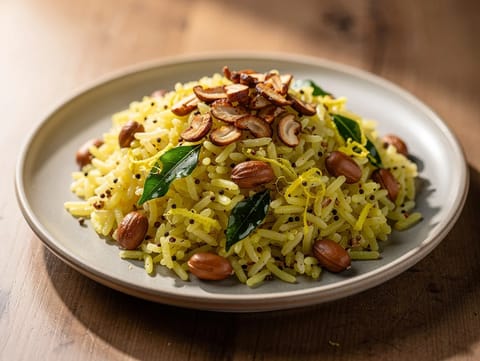
Lemon Rice with Roasted Peanuts
Lemon rice with mustard seeds, curry leaves and roasted peanuts
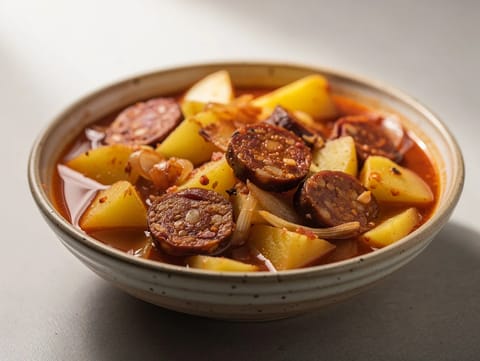
Patatas a la Riojana (Potato Stew with Chorizo and Paprika)
Potato and chorizo stew simmered with sweet paprika
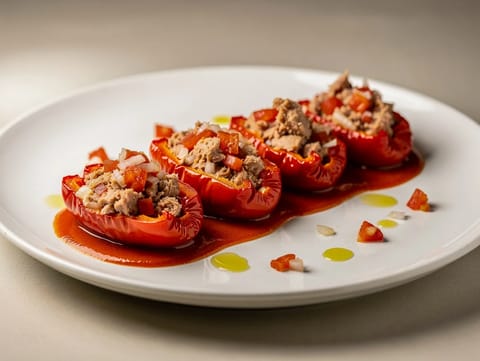
Pimientos del Piquillo Rellenos de Atún (Tuna-Stuffed Piquillo Peppers)
Piquillo peppers stuffed with tuna, onion and tomato
Make this recipe easier next time
AdvertisementThese tools help you get better results with less effort.
Misen 8-Inch Chef Knife
- AUS-10 steel
- Balanced design
- Less traditional feel
Titanium & PP Double-Sided Cutting Board
- Separate surfaces for meat and produce
- Resists odors and stains
- Harder on knife edges than wood or plastic
WÜSTHOF Classic 8-Inch Chef's Knife
- Excellent build quality
- Reliable edge retention
- Expensive
OXO Good Grips 2-Piece Cutting Board Set
- Two useful sizes with reversible cutting surfaces
- Dishwasher safe and easy to clean
- Plastic surfaces will show knife marks over time
Enjoy cooking with JustRecipes?
Add JustRecipes as one of your preferred Google sources to discover our recipes more easily across Google Search.
Add JustRecipes to GoogleEvery recipe on JustRecipes follows the same structured editorial process. Learn how recipes are created, validated, translated, illustrated, and continuously improved across the platform. How we create recipes.
