
Gâteau Breton (Breton Butter Cake)
Why this recipe works
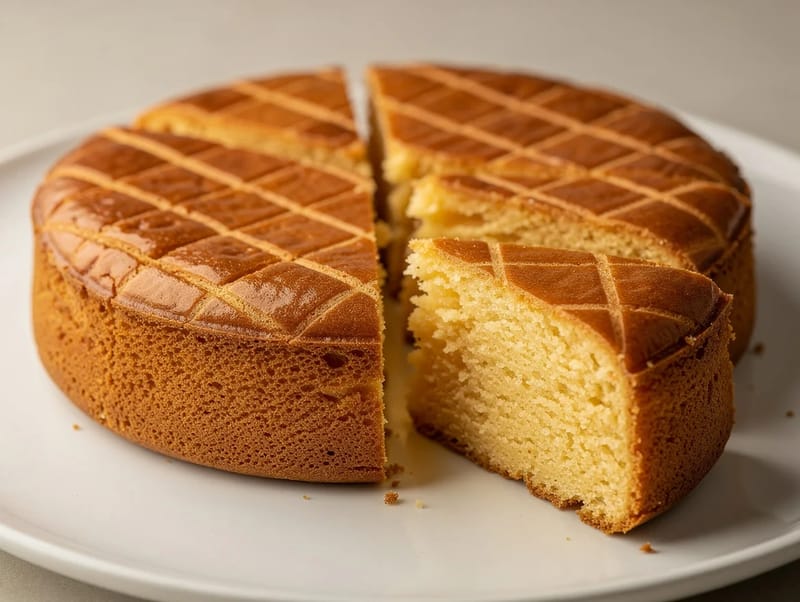
- Traditional finish: An egg-yolk glaze and shallow criss-cross scoring create the recognisable golden top without needing decoration.
- Short ingredient list: Butter, egg yolks, sugar and flour do most of the work, giving the cake its rich flavour and firm, sliceable texture.
- Keeps well: The dense crumb stays satisfying after cooling, making it a good cake to bake ahead and slice when needed.
Get the most out of this recipe
Timing notes
- Cool fully before slicing: The cake firms as it cools, so waiting until it reaches room temperature gives cleaner wedges and a better crumb.
- Best texture window: Serve at room temperature rather than chilled, as the butter-rich crumb tastes softer and more rounded.
Texture tips
- Keep the crumb sandy: Once the flour goes in, mix only until it disappears; overworking the dough can make the cake tougher.
- Press evenly into the tin: Smoothing the thick dough into an even layer helps the centre bake through at the same pace as the edges.
Ingredient notes
- Butter matters: With so few ingredients, the flavour of the butter is central to the finished cake, so use one you enjoy eating.
- Sugar texture: Caster sugar gives a finer crumb, while granulated sugar can leave the texture slightly coarser.
Authenticity notes
- Breton style: Gâteau breton is known for its high butter content, compact crumb and simple scored surface rather than frosting or filling.
- Classic serving: Thin wedges are the right scale for this rich cake and pair naturally with coffee, tea or a lightly sweet dessert wine.
Equipment you'll need
Ingredients
Instructions
- Heat the oven to 170°C (340°F). Grease a 20 cm cake tin and line the base with baking paper.
- In a mixing bowl, beat the butter and caster sugar until smooth and creamy, without trying to whip in lots of air. Beat in 5 egg yolks, one at a time, then mix in the vanilla and salt. Reserve the remaining egg yolk for the top.
- Add the plain flour and fold it in until you have a thick, sandy dough. Scrape the mixture into the tin and press it flat with a spatula. Smooth the top as evenly as you can.
- Brush the top lightly with the reserved egg yolk. Using the back of a knife, score a criss-cross pattern on the surface, taking care not to drag up the dough. Bake for 40 to 45 minutes until deep golden and set in the centre.
- Cool in the tin for 15 minutes, then turn out and cool completely on a rack before slicing. For the cleanest slices, let it stand at room temperature until fully cool. Serve in thin wedges.
Recipe notes
Tips
- For the traditional sandy crumb, mix just until the flour disappears and avoid overworking the dough.
- If the top is browning too quickly, loosely cover with foil for the final 10 minutes of baking.
- If serving to young children, pregnant people, or anyone vulnerable, use pasteurised egg yolk or ensure the cake is baked until fully set in the centre.
Substitutions
- Replace Vanilla extract with vanilla bean paste for a more pronounced vanilla flavour.
- Replace Caster sugar with granulated sugar for a slightly coarser crumb.
Storage
- Refrigerate up to 5 days
- Store in an airtight container. Keep at room temperature for up to 3 days for the best texture, or refrigerate for up to 5 days and bring to room temperature before serving. Freeze slices well wrapped for up to 2 months; defrost at room temperature.
Ratings & reviews
Liked this recipe? Share your feedback to support our cooking community.
Tried this recipe?
Choose 1–5 stars. A comment is optional.
Stay inspired
Discover new recipes, seasonal favourites and cooking inspiration every day. Follow JustRecipes on Pinterest and Spillt.
Recipe overview
- Servings: 10 servings
- Total time: 1h 20min (20min active)
- Difficulty: Easy
- Cuisine: French
-
Allergens:
Eggs Gluten Milk Wheat
Plan your meals and get a complete grocery list automatically.
Add to meal plannerEquipment you'll need
Got ingredients left?
Find recipes using ingredients from this recipe or what you already have at home.
Find recipes with these ingredients →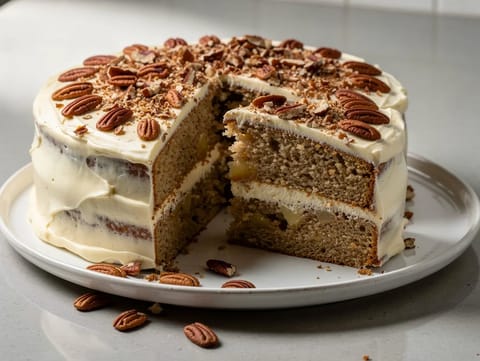
Hummingbird Cake
Spiced banana and pineapple cake with cream cheese icing
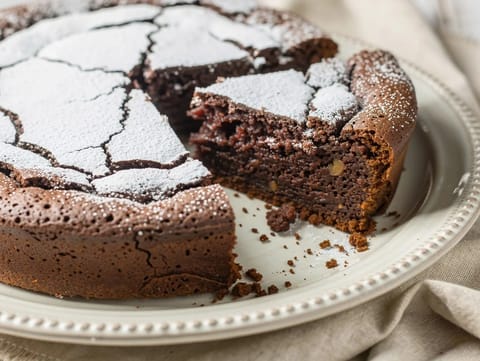
Torta Caprese (Flourless Chocolate and Almond Cake)
Flourless chocolate and almond cake with a fudgy centre
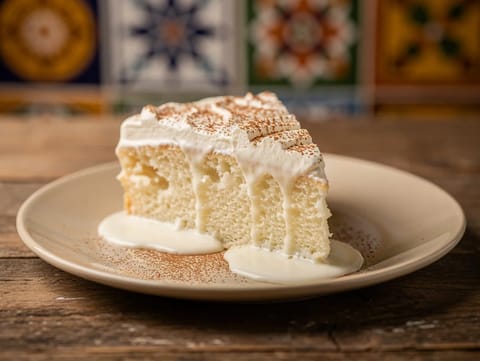
Tres Leches Cake (Sponge Soaked in Three Milks)
Sponge cake soaked in three milks with cinnamon whipped cream
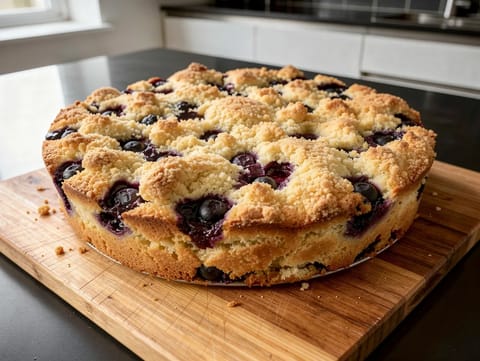
Blueberry Buckle (Sponge Cake with Crumble Topping)
Blueberry sponge cake with a crumble topping
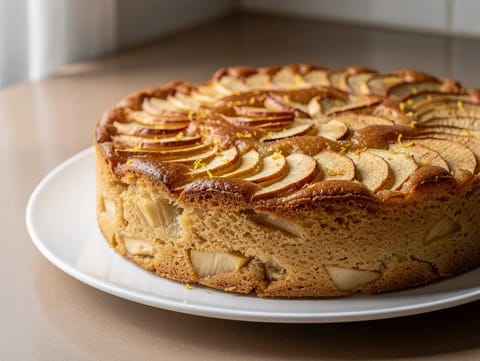
Torta di Mele Rustica (Rustic Italian Apple Cake)
Rustic Italian apple cake with lemon zest and cinnamon
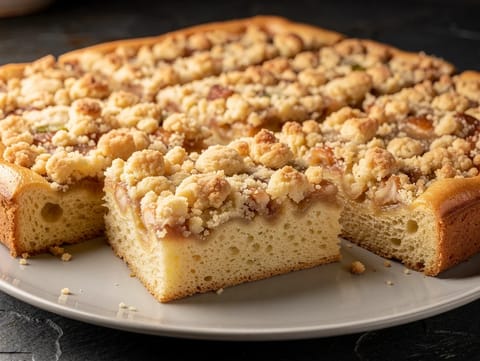
Streuselkuchen (German Yeasted Crumb Cake)
German yeasted crumb cake with a thick buttery streusel topping
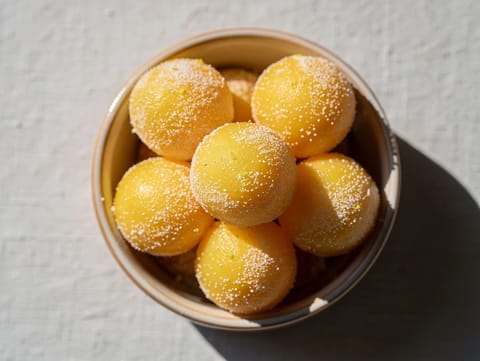
Yemas de Santa Teresa (Egg Yolk Sweets)
Egg yolk sweets shaped into balls and rolled in sugar
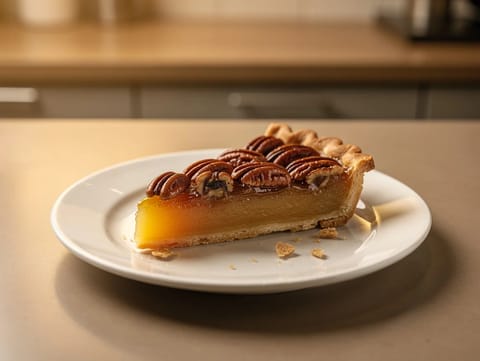
Pecan Pie with Golden Syrup Custard in Shortcrust Pastry
Pecan pie in shortcrust pastry with golden syrup custard
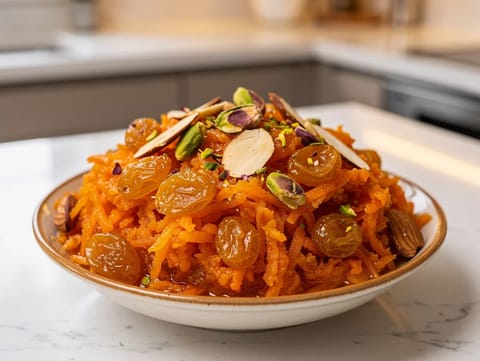
Gajar ka Halwa (Carrot Halwa with Milk and Ghee)
Carrot halwa cooked in milk with ghee, cardamom and nuts
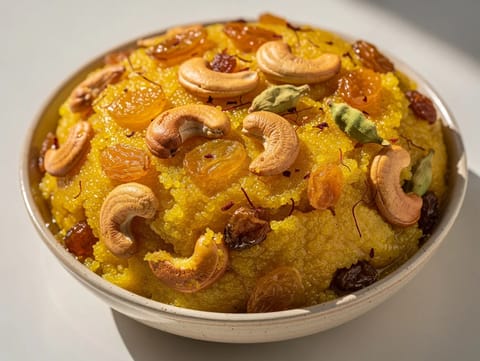
Sooji Halwa (Semolina Pudding with Ghee and Cardamom)
Toasted semolina pudding cooked with ghee, cardamom and sugar syrup

Mousse al Cioccolato Fondente (Dark Chocolate Mousse)
Chilled dark chocolate mousse folded with cream and egg whites
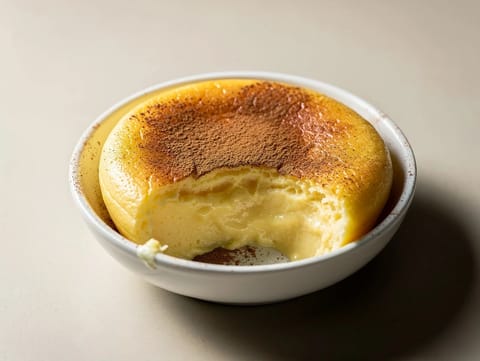
Sericaia (Alentejo Baked Egg Pudding)
Baked egg pudding with cinnamon and a light custardy texture
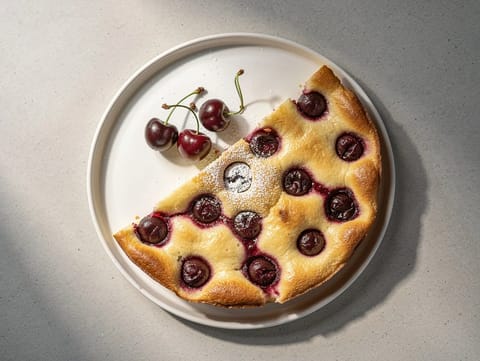
Cherry Clafoutis (French Baked Custard Dessert)
Cherry clafoutis baked in a lightly sweet custard batter
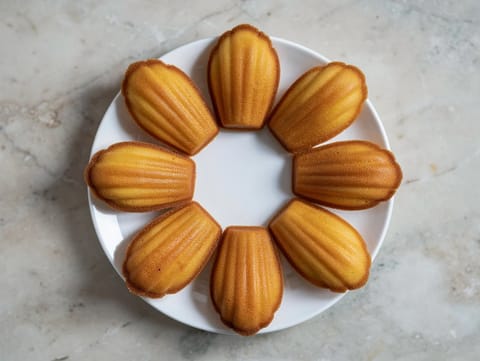
Madeleine Cakes
French shell-shaped sponge cakes with lemon and vanilla
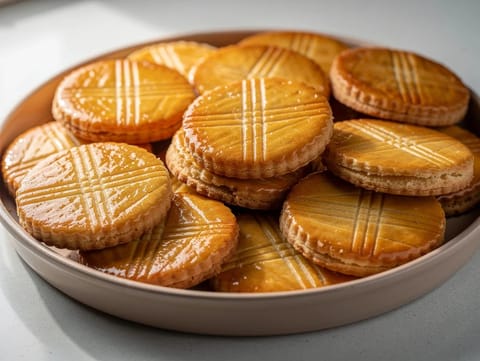
Galette Bretonne (Breton Butter Biscuits)
Breton butter biscuits with crisp edges and a tender centre
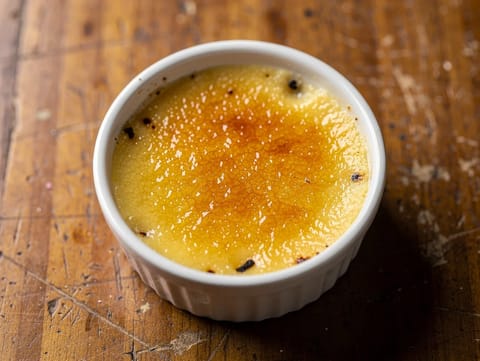
Crème Brûlée à la Vanille (Vanilla Crème Brûlée)
Vanilla baked custard with a crisp caramelised sugar top
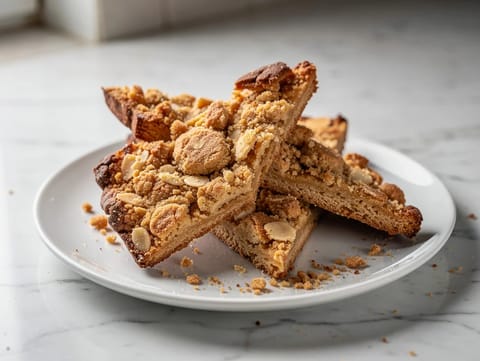
Fregolotta (Venetian Crumbly Almond Cake)
Crumbly Venetian almond cake baked until golden
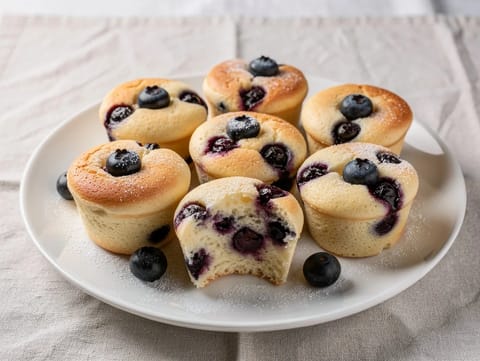
Pancake Bites
Baked pancake bites with vanilla batter and blueberries.
You might also like
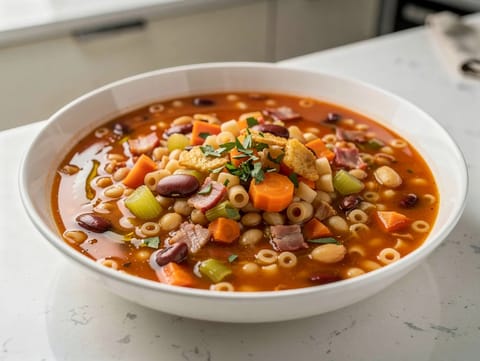
Pasta e Fagioli (Italian Pasta and Bean Soup)
Hearty pasta and bean soup with pancetta and tomato
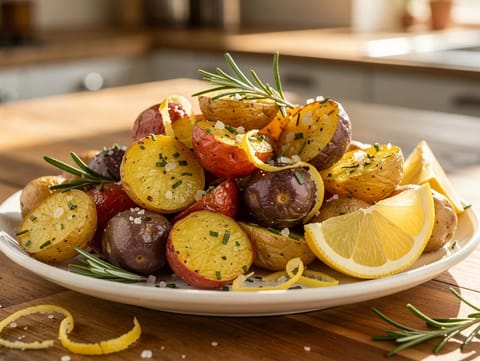
Air Fryer Crispy Baby Potatoes
Crispy air-fried baby potatoes with garlic and rosemary.

Buffalo Cauliflower Bites
Baked battered cauliflower bites tossed in hot sauce and butter
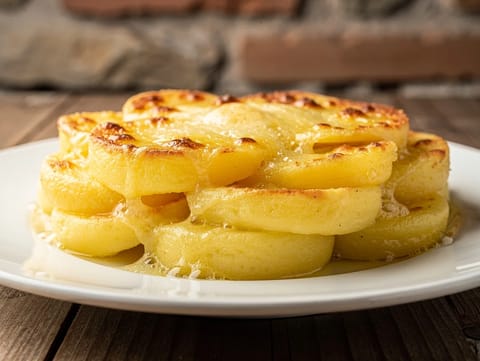
Gnocchi alla Romana (Semolina Gnocchi Bake)
Baked semolina gnocchi rounds with butter and Parmesan
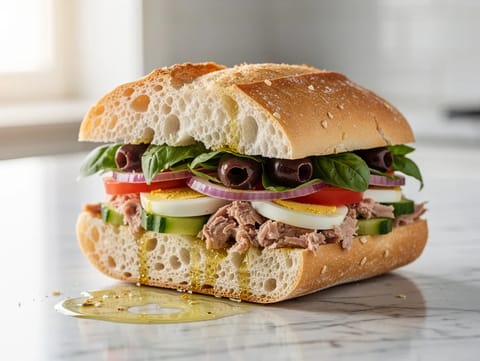
Pan Bagnat (Niçoise Tuna and Egg Sandwich)
Niçoise sandwich with tuna, hard-boiled egg, tomatoes and olives
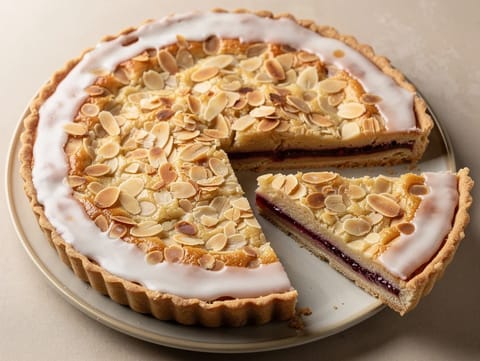
Bakewell Tart
Bakewell tart with raspberry jam and almond frangipane
Make this recipe easier next time
AdvertisementThese tools help you get better results with less effort.
KitchenAid Stainless Steel Mixing Bowls
- Non-slip base
- Stainless steel
- Not microwave safe
Pyrex Glass Mixing Bowls with Lids
- Microwave safe
- BPA-free lids
- Glass is heavier
OXO Good Grips Stainless Mixing Bowl Set
- Non-slip base
- Comfort grip
- Higher price
Enjoy cooking with JustRecipes?
Add JustRecipes as one of your preferred Google sources to discover our recipes more easily across Google Search.
Add JustRecipes to GoogleEvery recipe on JustRecipes follows the same structured editorial process. Learn how recipes are created, validated, translated, illustrated, and continuously improved across the platform. How we create recipes.
