
Modern Fish Pie with Leeks
Why this recipe works
- Built-in depth: Poaching the fish with bay and peppercorns turns the milk into the base of the sauce, carrying gentle savoury flavour through the filling.
- Creamy without heaviness: Leeks, flour, milk and mustard create a smooth sauce that coats the fish without overwhelming its texture.
- Classic contrast: Soft flakes of fish and creamy sauce sit under a mashed potato topping that browns at the ridges for a familiar fish pie finish.
Get the most out of this recipe
Ingredient notes
- Choose a mix of fish: The salmon brings richness while smoked haddock adds savoury depth; keeping both gives the pie a fuller, more recognisable flavour.
- Wash leeks carefully: Leeks can hold grit between the layers, so trim, split if needed and rinse well before slicing.
- Balance the sauce: Dry white wine and Dijon mustard lift the creamy base; for an alcohol-free version, use extra milk and adjust the mustard to taste.
Texture tips
- Keep the fish tender: Poach the fish at a gentle simmer rather than a boil so it stays moist and flakes cleanly.
- Steam-dry the potatoes: Let the drained potatoes sit briefly in the hot pan before mashing so excess moisture evaporates and the topping stays fluffy.
- Rough up the topping: Drag a spoon or fork over the mash before baking to create ridges that brown more readily in the oven.
Timing notes
- Work in parallel: Start the potatoes first, then poach the fish and make the leek sauce while they cook to keep the overall timing efficient.
- Let it settle: Rest the pie briefly after baking so the sauce thickens slightly and the filling spoons out more neatly.
- Serve hot: Fish pie is best served while the filling is bubbling and the mash still has its golden, just-baked texture.
Make-ahead tips
- Assemble in advance: The pie can be assembled ahead once the filling has cooled, then covered and refrigerated before baking.
- Freeze in portions: Cool completely, portion and freeze for convenient future meals; defrost overnight in the fridge before reheating.
- Reheat gently: Reheat in a 180°C (355°F) oven until piping hot throughout, covering loosely if the potato topping browns too quickly.
Equipment you'll need
Ingredients
Instructions
- Heat the oven to 200°C (390°F). Peel the potatoes, cut into even chunks, and put into a large pot of cold water with 1 tsp of the fine sea salt. Bring to the boil, then simmer for 15 to 20 minutes until very tender.
- While the potatoes cook, pour the whole milk into a saucepan and add the bay leaves and black peppercorns. Bring just to a gentle simmer over medium-low heat. Add the salmon and smoked haddock and poach gently for 6 to 8 minutes until the fish is just opaque and flakes at the edges.
- Lift the fish out with a spoon and set aside to cool slightly. Strain the poaching milk into a jug, discarding the bay leaves and peppercorns. When cool enough to handle, break the fish into large pieces, checking for any bones.
- Drain the potatoes well, return to the pot, and let them steam dry for 1 minute. Add 40 g of the unsalted butter and mash until smooth. Gradually mash in 150 ml of the reserved milk until fluffy, then season with 0.5 tsp of the fine sea salt.
- Trim and wash the leek well, then slice it. Melt the remaining 30 g unsalted butter in a saucepan over medium heat, add the leek and cook for 8 to 10 minutes until soft but not browned. Stir in the plain flour and cook for 1 minute, stirring constantly.
- Pour in the dry white wine and bubble for 2 minutes, scraping the base of the pan. Gradually whisk in the remaining reserved milk until smooth. Simmer gently for 4 to 6 minutes until thick enough to coat the back of a spoon, then whisk in the Dijon mustard and season with the remaining fine sea salt.
- Fold the fish pieces through the leek sauce, keeping them as intact as possible. Spoon into a baking dish and spread the mash over the top, roughing it up with a spoon for extra golden edges. Bake for 20 to 25 minutes until bubbling at the edges and golden on top.
- Rest for 5 minutes before serving so the filling settles slightly. Serve hot, spooning right down to the sauce.
Recipe notes
Tips
- Keep the poaching milk at a gentle simmer, not a boil, so the salmon stays tender and the smoked haddock does not tighten.
- If serving vulnerable groups, use pasteurised milk and make sure the fish is cooked through and the pie is piping hot all the way to the centre.
- For a deeper golden top, rough up the mash with a fork before baking so the ridges brown nicely.
Substitutions
- Replace Dry White Wine with the same amount of Whole milk for an alcohol-free sauce.
- Replace Dijon mustard with whole-grain mustard for a milder heat and a more textured sauce.
- Replace Smoked haddock with cod fillet for a less smoky flavour.
Storage
- Refrigerate up to 2 days
- Cool completely, then cover and refrigerate. Reheat in a 180°C (355°F) oven for 20 to 30 minutes until piping hot; cover loosely if the top browns too quickly. Freeze in portions for up to 2 months and defrost overnight in the fridge before reheating.
Ratings & reviews
Liked this recipe? Share your feedback to support our cooking community.
Tried this recipe?
Choose 1–5 stars. A comment is optional.
Stay inspired
Discover new recipes, seasonal favourites and cooking inspiration every day. Follow JustRecipes on Pinterest and Spillt.
Recipe overview
- Servings: 4 servings
- Total time: 1h 20min (35min active)
- Difficulty: Medium
- Cuisine: British
-
Allergens:
Fish Gluten Milk Wheat
Plan your meals and get a complete grocery list automatically.
Add to meal plannerEquipment you'll need
Got ingredients left?
Find recipes using ingredients from this recipe or what you already have at home.
Find recipes with these ingredients →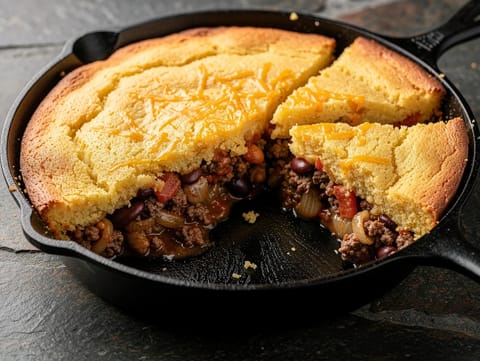
Skillet Cornbread-Topped Tamale Pie
Skillet tamale pie with beef, beans and cornbread topping
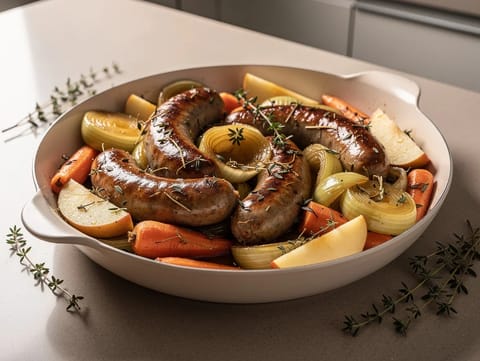
Sausage and Cider Casserole with Leeks, Carrots and Apples
Sausage casserole simmered in cider with leeks, carrots and apples
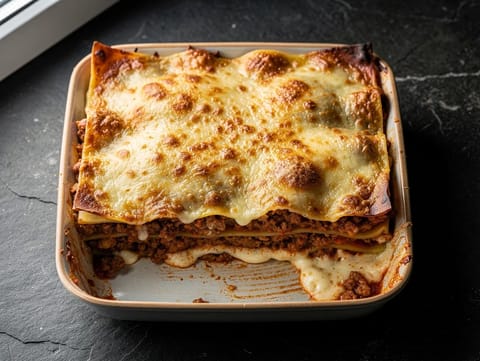
Lasagne al Forno (Baked Lasagne with Beef Ragù and Béchamel)
Baked lasagne layered with beef ragù and béchamel
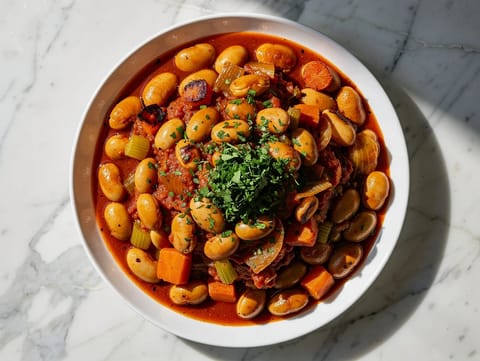
Gigantes Plaki (Greek Baked Giant Beans in Tomato Sauce)
Greek baked giant beans in tomato and olive oil sauce
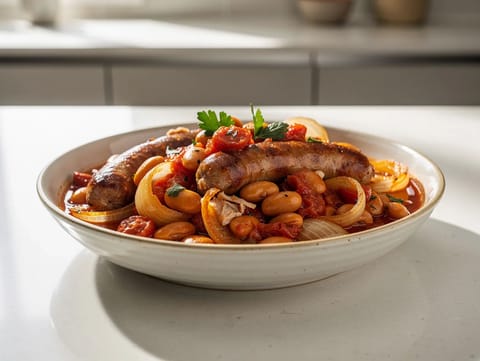
Pork Sausage Casserole with Butter Beans and Tomatoes
Sausage casserole with butter beans, tomatoes and rosemary
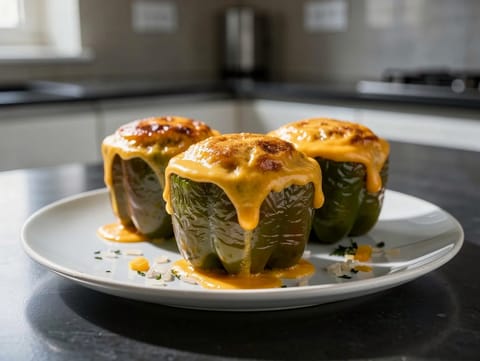
Baked Stuffed Peppers with Beef, Rice and Cheddar
Baked green peppers stuffed with beef, rice and cheddar
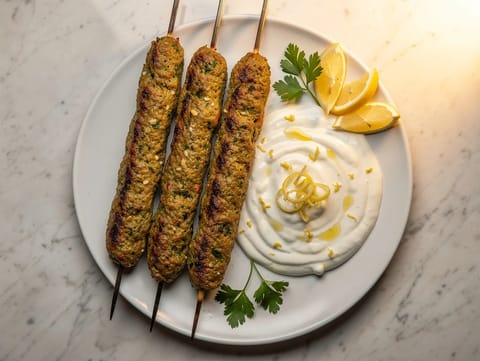
Chicken Kofta Kebabs
Chicken kofta kebabs with onion, garlic, parsley and spices
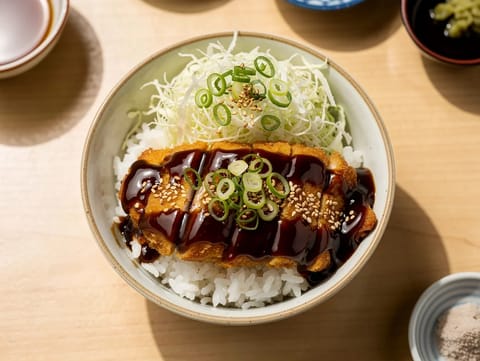
Chicken Katsu Bowl with Sushi Rice and Cabbage
Chicken katsu bowl with sushi rice, cabbage and tonkatsu sauce
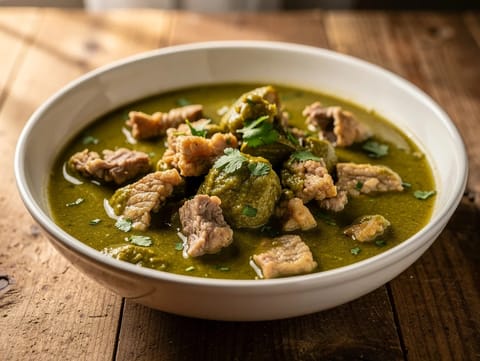
Chicharrón en Salsa Verde (Pork Rinds in Green Chilli Sauce)
Pork rinds softened in tangy tomatillo and green chilli sauce
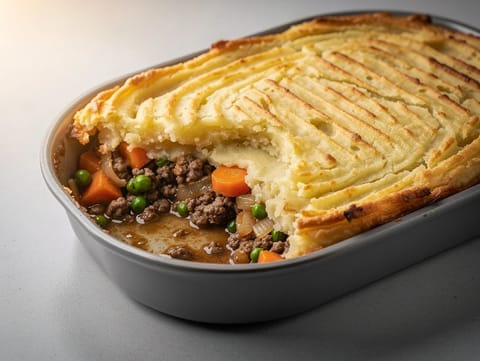
Traditional Beef Cottage Pie
Minced beef and gravy topped with mashed potatoes
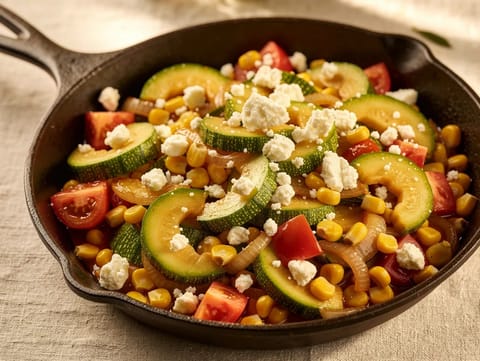
Calabacitas (Mexican Courgette and Sweetcorn Sauté)
Courgette sauté with sweetcorn, tomato and crumbled queso fresco
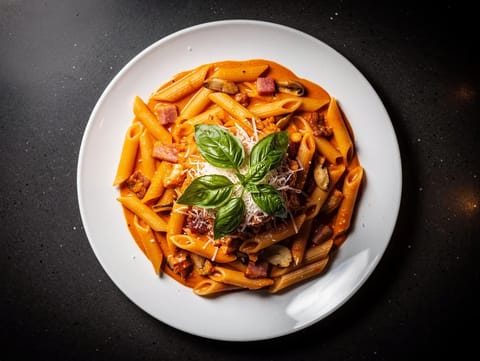
Pasta alla Vodka (Tomato, Vodka and Cream Sauce with Pancetta)
Penne with pancetta in a tomato, vodka and cream sauce
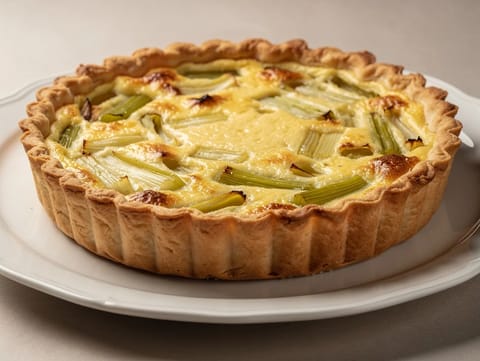
Quiche aux Poireaux (French Leek Quiche)
French leek quiche with a creamy egg and crème fraîche filling
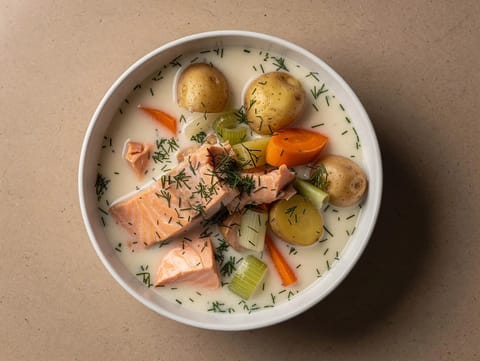
Kalakeitto (Finnish Salmon Soup with Dill and Potatoes)
Creamy Finnish salmon soup with dill and potatoes
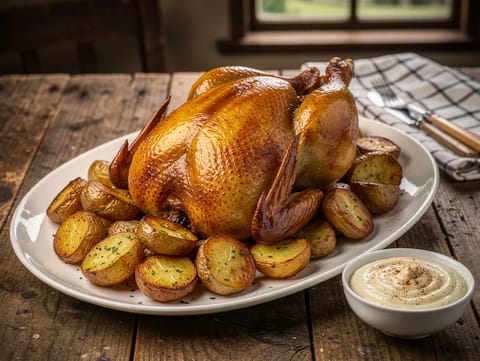
Roast Chicken with Bread Sauce and Roast Potatoes
Roast chicken with bread sauce, roast potatoes and gravy
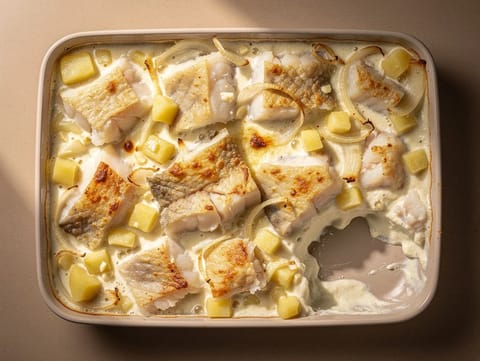
Bacalhau com Natas (Creamy Salt Cod and Potato Casserole)
Creamy baked salt cod and potato casserole
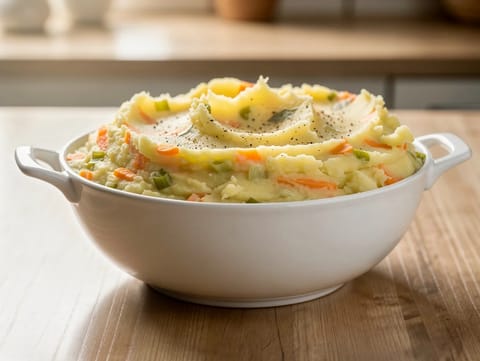
Stoemp (Belgian Mashed Potatoes with Vegetables)
Belgian mashed potatoes with carrots, leeks, butter and milk
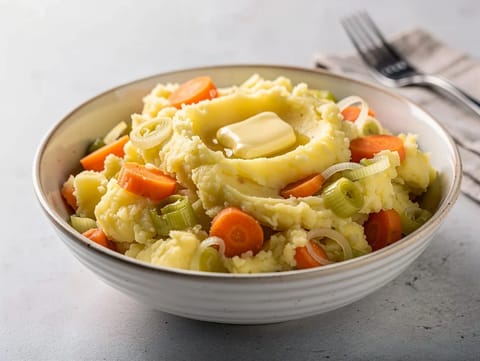
Stoemp Bowl with Carrots and Leeks
Mashed potatoes with carrots and leeks, enriched with butter
You might also like
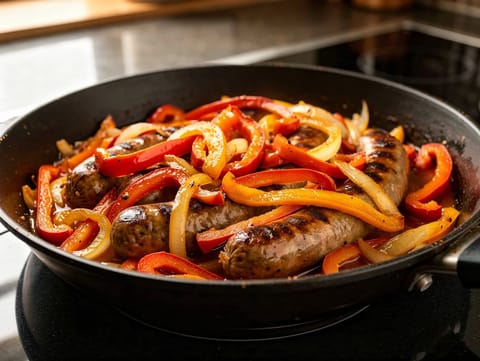
Salsiccia e Peperoni (Italian Sausage with Peppers and Onions)
Italian sausage cooked with peppers, onions and white wine
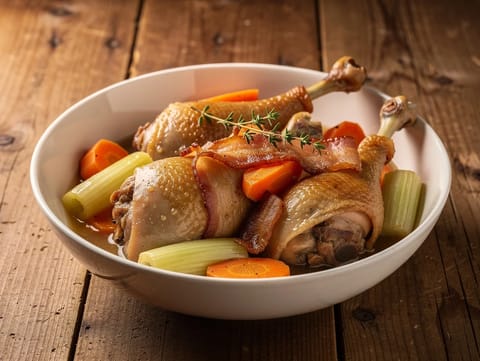
Rabbit and Cider Casserole
Rabbit braised in dry cider with bacon, carrots and leeks
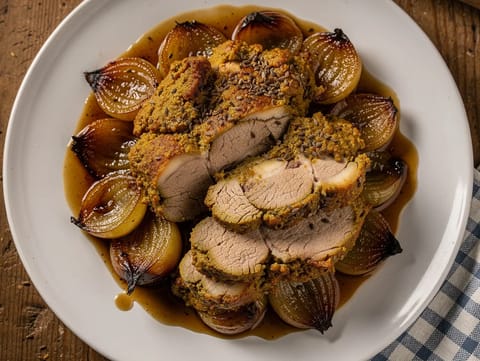
Senfbraten (Mustard-Crusted Pork Roast with Pan Gravy)
Mustard-crusted pork roast with pan gravy
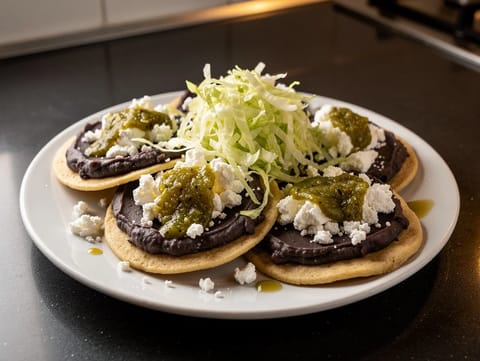
Memelas with Black Beans, Queso Fresco and Salsa Verde
Griddled masa memelas topped with black beans and salsa verde
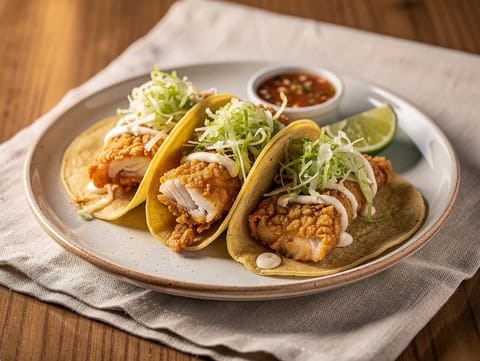
Tacos de Pescado Estilo Baja (Battered Fish Tacos)
Crispy battered fish tacos with lime crema
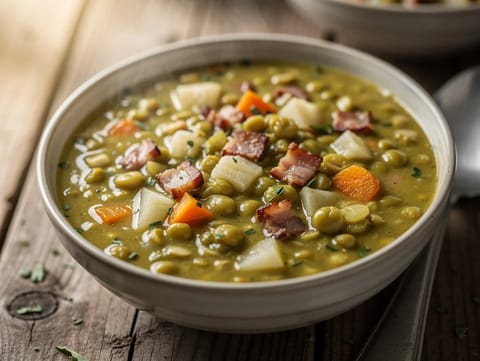
Erbsensuppe mit Speck (Split Pea Soup with Smoked Bacon)
Thick split pea soup with smoked bacon and vegetables
Make this recipe easier next time
AdvertisementThese tools help you get better results with less effort.
WMF Mini Saucepan 16 cm with Lid
- High-quality stainless steel
- Even heat distribution
- Higher price point
T-fal Specialty Nonstick Handy Pot with Glass Lid 3 Quart
- Easy food release
- Dishwasher safe
- Not induction compatible
All-Clad Tri-Ply Stainless Steel Saucepan
- Excellent heat control
- Premium build quality
- Expensive
Enjoy cooking with JustRecipes?
Add JustRecipes as one of your preferred Google sources to discover our recipes more easily across Google Search.
Add JustRecipes to GoogleEvery recipe on JustRecipes follows the same structured editorial process. Learn how recipes are created, validated, translated, illustrated, and continuously improved across the platform. How we create recipes.
