
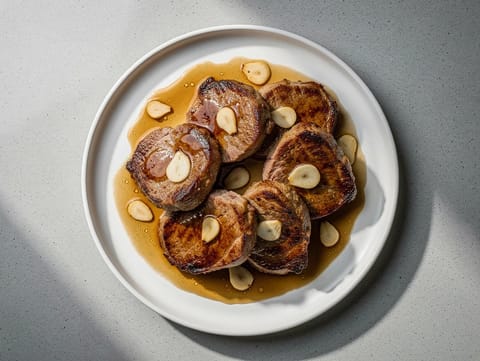
Solomillo al Whisky (Pork Tenderloin in Whisky Sauce)
Pan-seared pork tenderloin with garlic whisky sauce

Spanish-style dinners often work best when you think in components: something savoury to nibble, a main dish that can hold its heat, and a bright note to cut through richness. This collection brings together dinner ideas that suit that rhythm, from small plates to more substantial centrepieces.
Use it when you want the flavours and pacing associated with Spanish cooking without overcomplicating service. A little planning goes a long way, especially where timing matters for rice, seafood, or anything crisp-fried.
A Spanish dinner can mean a spread of tapas, a single pan of rice, or a slow-cooked dish served with something simple alongside. What tends to link these meals is contrast: salty with sharp, crisp with saucy, and rich with something fresh. You will often see olive oil, garlic, paprika, tomatoes and herbs used to build depth without heavy sauces.
It does not automatically mean everything is spicy, or that every dish is eaten late at night. Many Spanish dinners are built around straightforward techniques, but they reward attention to a few details, such as not crowding a pan when searing, or letting a stew settle so the flavours round out.
Pan-seared pork tenderloin with garlic whisky sauce
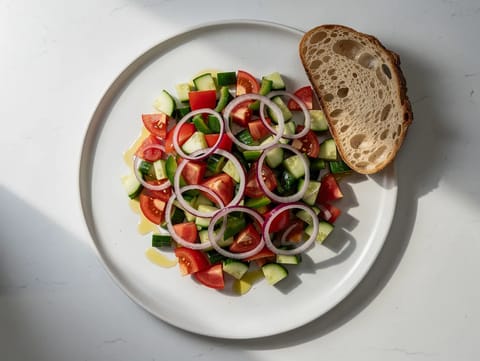
Andalusian salad with tomato, cucumber and sherry vinegar
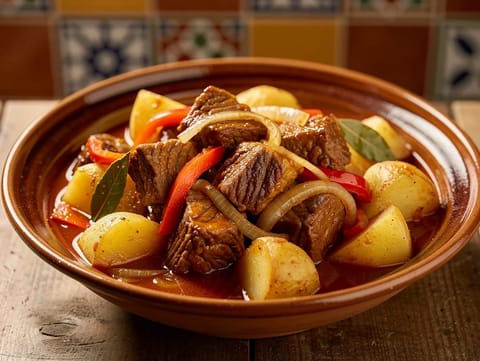
Spanish beef stew with red wine, peppers and paprika
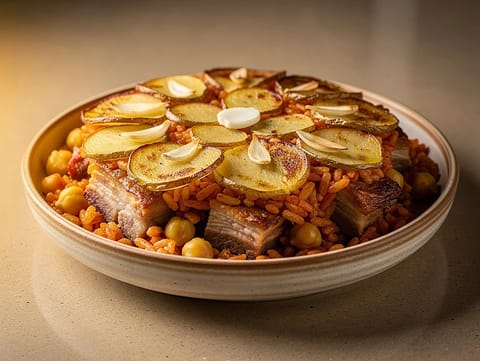
Valencian oven-baked rice with pork, chickpeas and potato
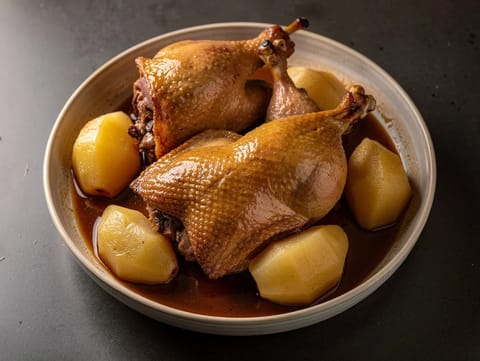
Duck legs braised in red wine with pears and garlic
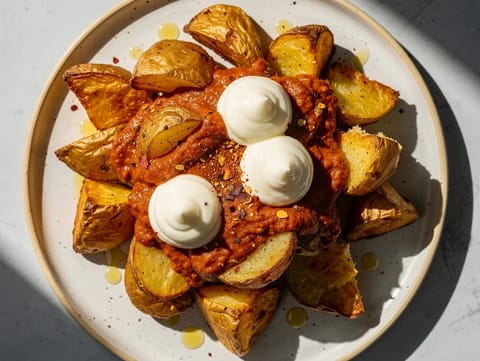
Crispy potatoes with smoky bravas sauce and alioli
If you want a sociable table, lean towards a tapas-style mix: a couple of warm bites, something marinated or dressed, and bread or potatoes to make it feel like dinner. This approach is forgiving because dishes can arrive in waves, and you can scale up by adding one more plate rather than doubling a single recipe.
For a more structured meal, choose a centrepiece that sets the pace. Rice dishes ask for focus at the end, because texture changes quickly once off the heat. Stews and braises are the opposite: they are often calmer to serve because they hold well and taste more integrated after a short rest. Grilled or roasted items sit in the middle, especially if you can prep sauces and garnishes ahead.
Charred lamb chops rubbed with garlic and smoked paprika, finished with lemon
Pork loin steaks topped with blended red pepper, onion and sherry vinegar sauce
Smooth chilled Spanish tomato soup with cucumber, green pepper, olive oil and sherry vinegar
Castilian garlic soup simmered with bread, topped with poached eggs and ham
Light choux-style fritters fried until golden, finished with icing sugar and lemon zest
Saffron tomato rice with artichokes, green beans, red pepper and lemon
Spanish-style wild boar stew with red wine, bay leaves and tomato purée
Smooth tomato and bread soup finished with olive oil, topped with egg and jamón serrano
Spanish-style prawns cooked in garlic and chilli oil, finished with lemon and parsley
Spanish fideo noodle casserole with clams, tomato, white wine and parsley
Slow roasted lamb basted with white wine and stock, served with pan juices
Aim for one anchor flavour and one contrast. If your main dish is tomato-forward or smoky with paprika, a sharp salad, citrus dressing or pickled element can keep the meal from feeling heavy. If the centrepiece is seafood, a simple vegetable side and a garlicky sauce or aioli-style accompaniment can make the table feel complete without competing.
Texture matters as much as flavour. Pair something soft and saucy, such as a stew or braised dish, with something crisp or blistered, such as roasted peppers or pan-fried potatoes. If you are serving several small plates, keep at least one dish relatively plain, for example simply dressed greens or bread with good oil, so the bolder dishes still taste distinct.
If you are planning around real-life schedules, browsing by Cooking time can help you decide whether to commit to a slow-cooked centrepiece or keep the meal more mix-and-match. For dietary needs at the table, Diet categories can be a useful cross-check, especially where dishes rely on cured meats, shellfish, or dairy-based sauces.
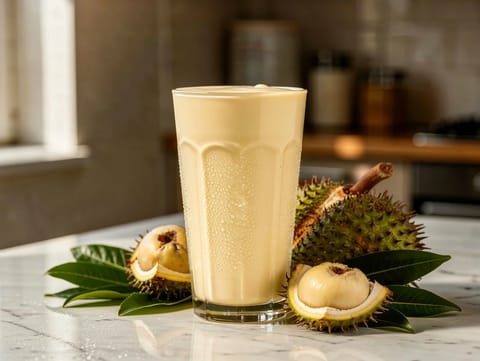
Jackfruit milkshake with condensed milk, vanilla and ice
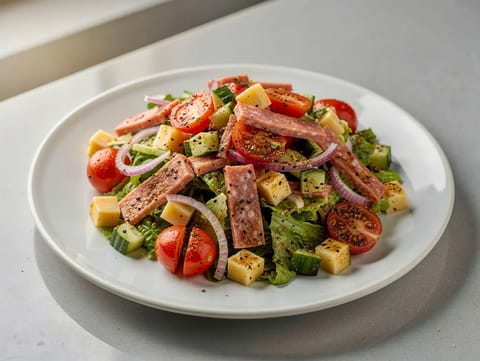
Chopped salad with lettuce, salami, provolone and vinaigrette
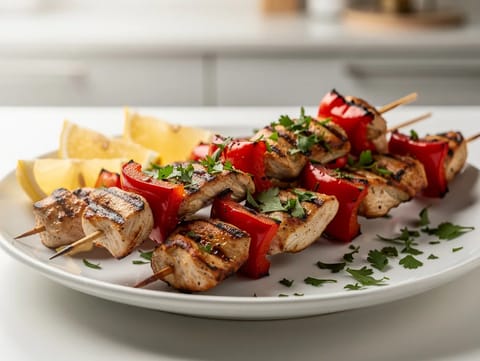
Yoghurt-marinated chicken skewers with garlic, lemon and red pepper
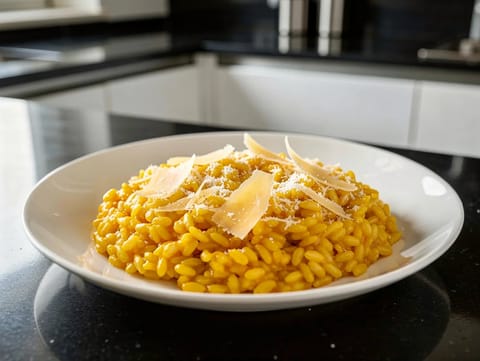
Saffron risotto enriched with bone marrow and Parmesan
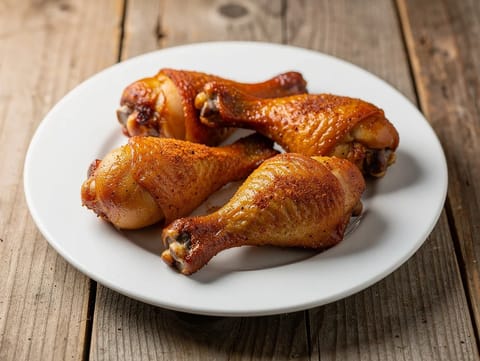
Chicken drumsticks air-fried with garlic and paprika until juicy.
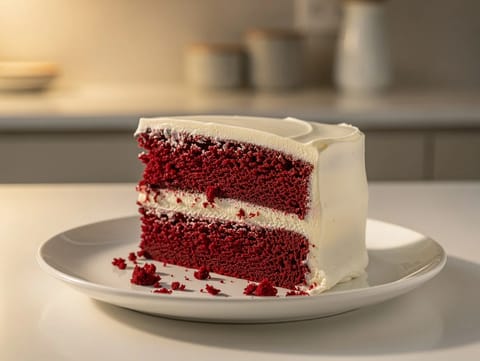
Red velvet cake layered with cream cheese frosting
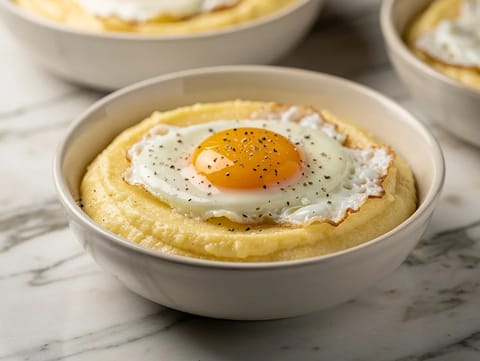
Creamy polenta with butter, Parmesan and fried eggs
Andalusian salad with tomato, cucumber and sherry vinegar
No. Tapas are one way of eating, but Spanish-style dinners can also be built around a single main dish with a couple of simple sides. The useful idea is contrast and pacing, not the number of plates.
Repeat one flavour thread, such as smoked paprika, garlic and olive oil, then add a bright counterpoint like lemon, vinegar or tomatoes. Cohesion comes from a few shared notes rather than matching everything.
Mix cooking methods and seasoning styles. Combine something roasted or grilled with something dressed or marinated, and keep one element deliberately simple so the stronger flavours have space.
They can be, but they are more timing-sensitive than stews. If you want low-stress serving, choose a rice dish only if you can focus on the final stage and serve promptly.
Often, yes. Sauces, dressings, chopped garnishes and marinated vegetables can usually be prepared earlier, leaving only the cooking and final assembly for serving time.
Pick your centrepiece first, then add one fresh element and one starchy or bread-based side to round it out. Once that structure is in place, the smaller plates and sauces become easy, flexible additions.
