
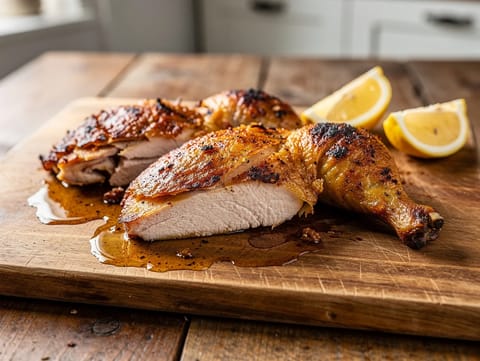
Pollo al Mattone (Weighted Pan-Roasted Chicken)
Weighted pan-roasted chicken with rosemary, garlic and lemon

A cast iron frying pan is at its best when steady, stored heat matters more than quick responsiveness. Once hot, it keeps its temperature when food hits the surface, which supports good browning on steaks, chops, mushrooms and potatoes, and it transitions neatly from hob to oven for frittatas, cornbread-style bakes and pan-roasted chicken. The trade-off is speed: cast iron is slower to preheat and slower to cool, so it rewards a little planning. This guide helps you decide when cast iron is the right pan and how to avoid the usual sticking and seasoning problems.
Cast iron is heavy and relatively thick, so it stores a lot of heat. That makes it useful for searing and for cooking that benefits from a stable surface temperature, such as shallow-frying or getting a deep crust on vegetables. It is less responsive than thinner pans: if the heat is too high, turning the knob down will not cool the pan quickly. Preheating is part of the workflow, and so is choosing the right fat for the temperature you are using. Many cast iron pans are oven-safe, which opens up recipes that start with browning and finish with gentle oven heat. If you need fast temperature changes, a lighter stainless-steel or aluminium pan can be easier to steer.
Weighted pan-roasted chicken with rosemary, garlic and lemon
Spanish-style prawns cooked in garlic and chilli oil, finished with lemon and parsley
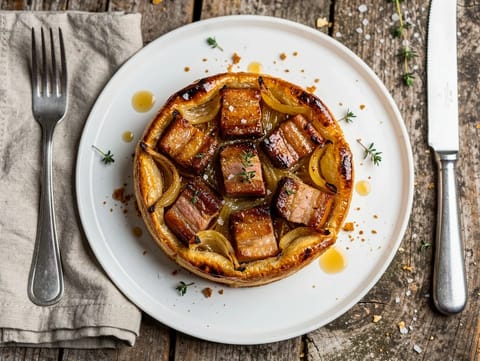
Savoury tarte Tatin with pork belly and caramelised onions
Thick turkey mince chilli with kidney beans, baked under a golden cornbread topping
New York strip steak pan-seared until browned and finished with herb butter
Smoky black bean chilli topped with warm skillet cornbread and baked until golden
Cast iron suits foods that benefit from strong contact heat and a little patience: thick cuts that need a crust before finishing, potatoes that want a crisp edge, or batter-based dishes that start on the hob and bake through. It can also be a good choice for one-pan cooking where you want to build flavour in the pan, then deglaze for a sauce. For delicate fish, very sticky glazes, or quick sautéing of small pieces where you want rapid heat adjustments, another pan may be simpler. If a recipe is written for non-stick, it often assumes easy release at lower fat levels; cast iron can do the job, but it usually needs a well-seasoned surface and confident preheating.
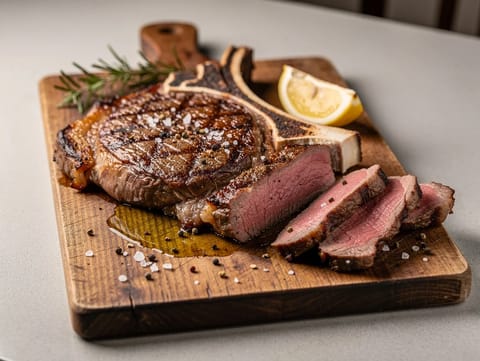
Tuscan T-bone steak, seared and simply seasoned
Savoury tarte Tatin with pork belly and caramelised onions
Weighted pan-roasted chicken with rosemary, garlic and lemon
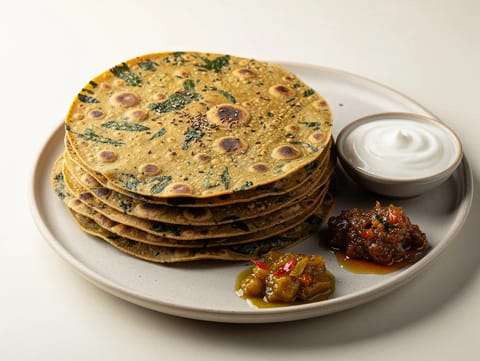
Fenugreek flatbreads made with yoghurt and spices
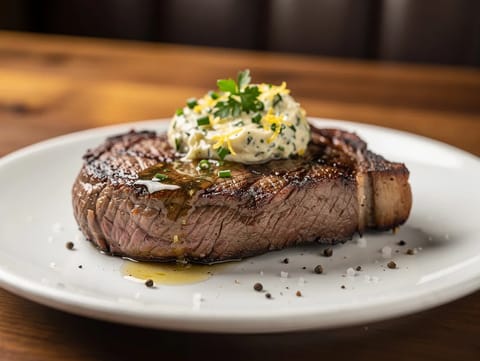
Pan-seared ribeye topped with garlic herb butter
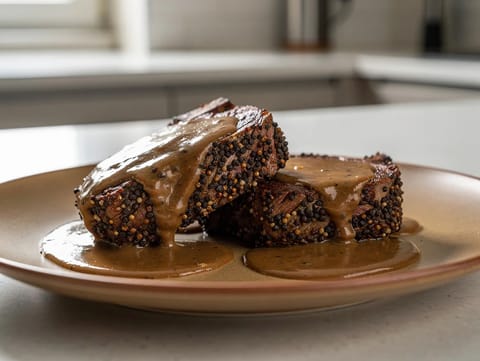
Pepper-crusted steak with a cognac and cream pan sauce
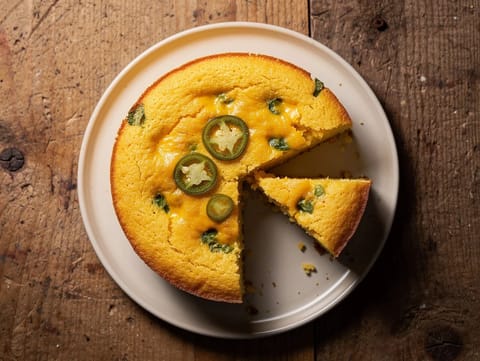
Golden skillet cornbread with jalapeño and cheddar
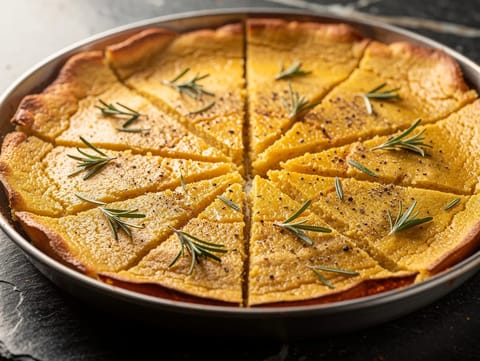
Thin chickpea flatbread baked with olive oil until crisp
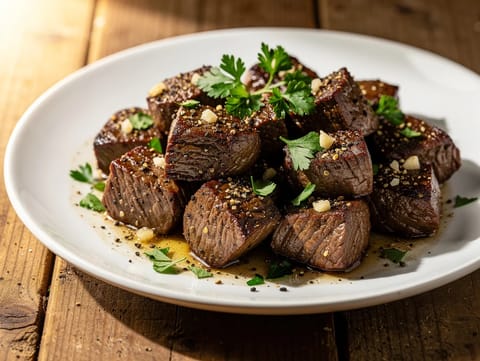
Seared steak bites tossed with garlic butter and parsley
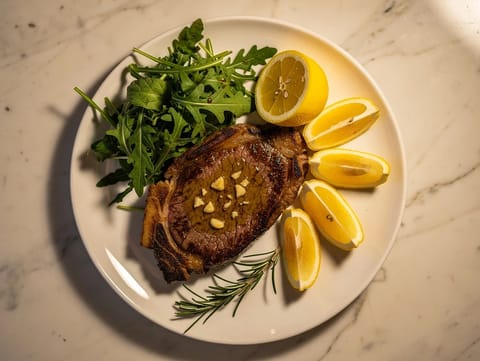
Pan-seared ribeye with garlic butter and rocket salad
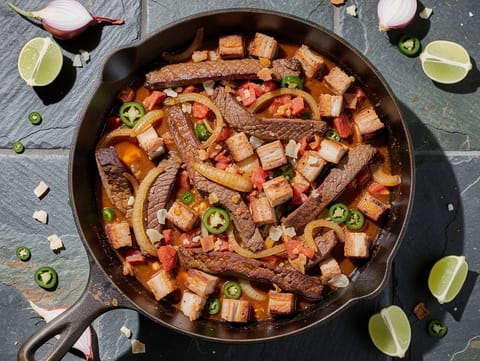
Mixed meat skillet with bacon, beef, pork and beer
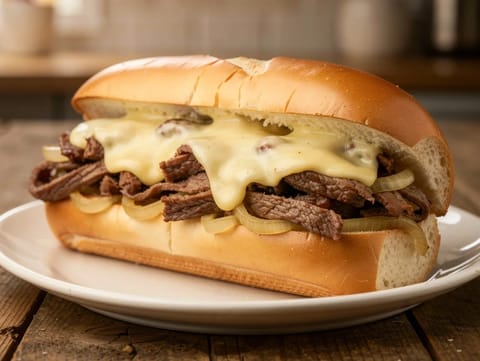
Hot beef and onion sandwich with melted provolone
Putting food into a pan that is not properly preheated is a frequent cause of sticking. Give the pan time to heat, then add fat and let it warm before the food goes in. Another issue is moving food too soon. Proteins often release once they have browned; if you try to lift them early, they tear. Acidic ingredients can also be a problem for some pans, especially if the seasoning is new or patchy, because acidity can dull the surface and pick up metallic flavours. Finally, avoid soaking for long periods. Clean while the pan is still warm, dry thoroughly, and rub on a thin film of oil if needed to protect the seasoning.
Cast iron gets very hot and stays hot, including the handle. Treat it as hot for longer than you would a thin pan, and use a handle cover or dry cloth when moving it. Because it is heavy, lift with two hands when it is full, and be cautious on glass hobs. Seasoning is not a permanent coating; it is a built-up layer that can be damaged by harsh scrubbing, long soaks or repeated high-acid cooking. If the surface looks dull or food starts to stick, it may simply need a refresh: thorough drying and a light oiling after cleaning often helps.
Cooking method pairs naturally with cast iron because the pan often sits at the centre of techniques like searing, shallow-frying and oven finishing. Difficulty can also help you choose between recipes that assume confident heat management and those that are more forgiving if your pan runs hot or takes longer to preheat.
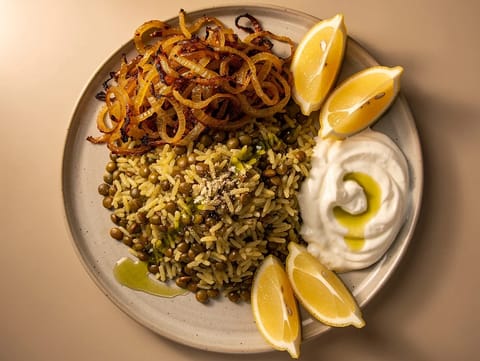
Lentils and rice topped with caramelised onions
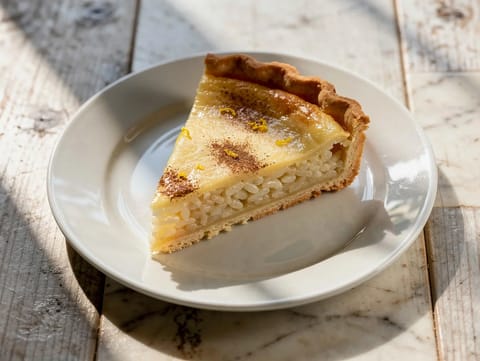
Tuscan rice pudding tart baked in shortcrust pastry
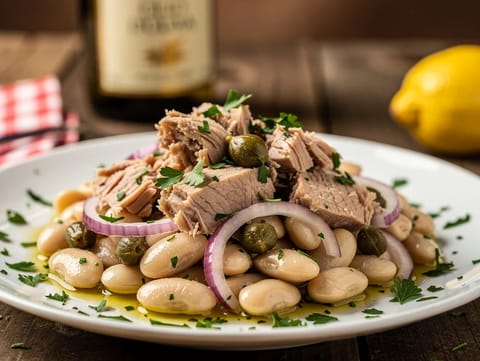
Tuna and cannellini bean salad with lemon and capers
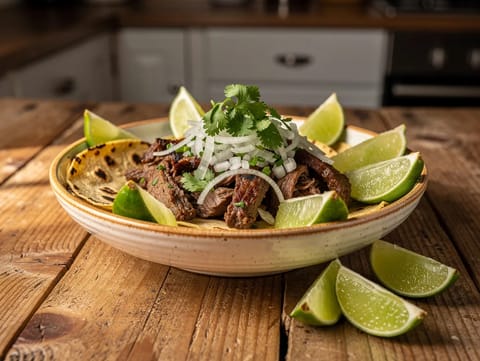
Brisket tacos with onion, coriander, lime and salsa verde
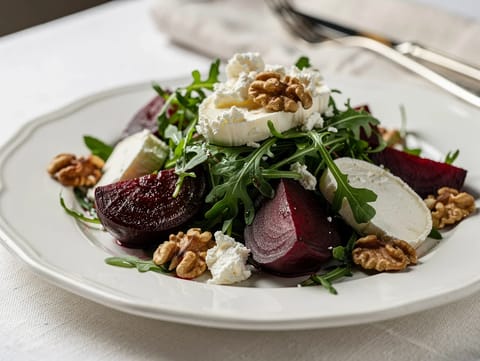
Roasted beetroot salad with goat’s cheese, rocket and walnuts
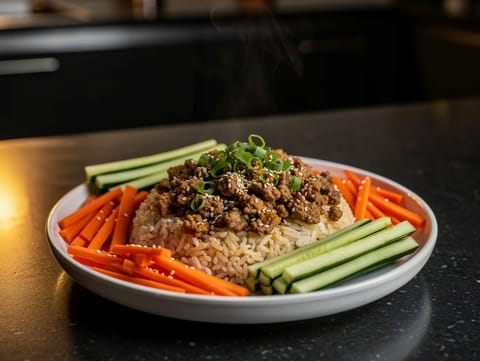
Air-fried beef over rice with gochujang and vegetables.
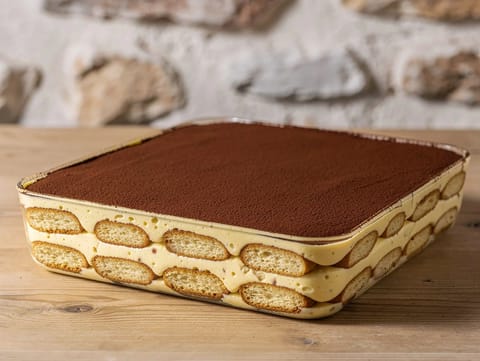
Light banana tiramisù with espresso-dipped savoiardi and cocoa
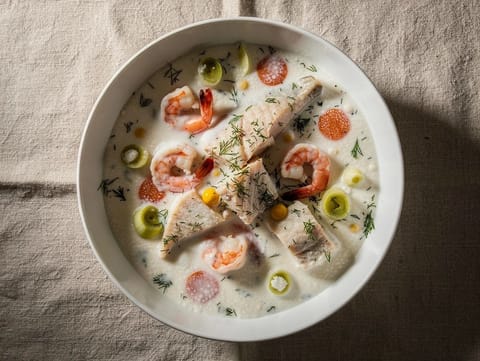
Creamy fish and prawn stew with dill and lemon
A well-seasoned cast iron pan can be relatively non-stick, but it behaves differently from a coated non-stick pan. Preheating, enough fat and letting food brown before moving it make the biggest difference.
It is thick and heavy, so it absorbs more energy before the surface reaches cooking temperature. The benefit is that it then holds that heat steadily.
Many are oven-safe, which is one reason they are popular for hob-to-oven recipes. Check your pan’s handle material and any manufacturer guidance if you are unsure.
You can, but long simmers or very acidic sauces can be harder on the seasoning, especially if it is new. Short cooking is usually less of an issue than prolonged, acidic braises.
For quicker responsiveness, a stainless-steel frying pan is a common alternative. For easy release at lower temperatures, a non-stick pan can be simpler for certain foods.
Often the pan was not hot enough, the oil was added too early and cooled, or the food was moved before it had browned. Heat the pan first, then warm the oil, then add the food and give it time to release.
If a recipe depends on strong browning or a hob-to-oven finish, cast iron is a natural fit. When you need quick heat changes or very delicate release, a lighter pan can make the job calmer.
