

Pepes Ikan (Fish Steamed in Banana Leaf)
Spiced fish steamed in banana leaves with herbs and chillies

A food processor is at its best when you want a lot of cutting, grating or mixing done quickly and consistently. It can turn a pile of vegetables into an even chop, shred cheese in seconds, or bring a dough together without much handling. It is less helpful for small quantities and delicate textures, where the blade can go from “chopped” to “mushed” in a moment. Knowing what ingredients suit the machine helps you choose recipes that genuinely save time rather than creating extra washing up.
Most recipes use a food processor for one of three jobs: chopping, shredding/slicing with an attachment, or mixing and emulsifying. The key feature is speed with repeatable results. A processor can produce a fine mince for aromatics, a coarse chop for salsas and relishes, or a smooth purée for dips and sauces, depending on how long you run it and whether you scrape down the bowl. It is not the same as a blender, which is built for smoother liquids and tends to pull ingredients down into the blades more aggressively. It also does not replace hand skills entirely: you still need to load the bowl sensibly, judge texture as you go, and stop before you overshoot.
Spiced fish steamed in banana leaves with herbs and chillies
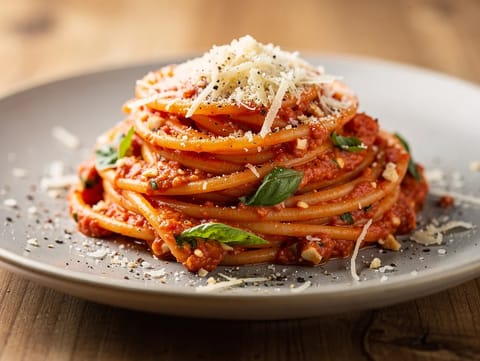
Sicilian pasta with tomato, almond and basil pesto
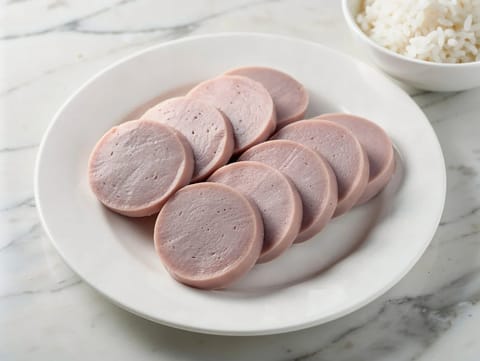
Vietnamese steamed pork sausage wrapped in banana leaves

Thai fish cakes with red curry paste and green beans
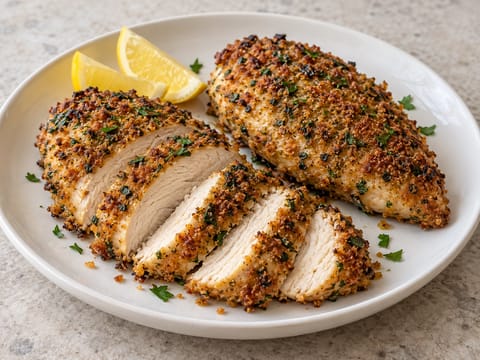
Baked chicken with a crisp rye breadcrumb and mustard crust
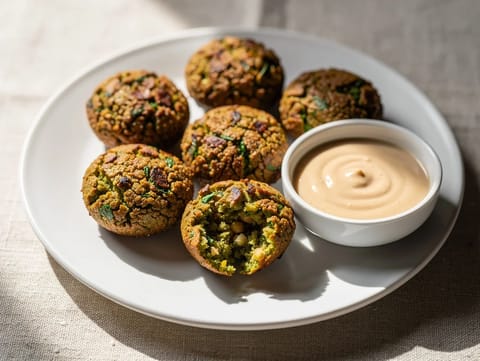
Air-fried falafel made with chickpeas, herbs, spices and tahini.
If your goal is fast prep, look for recipes that start with a lot of chopping: onions, carrots, cabbage and herbs are common candidates, especially when they are destined for a pan, soup pot or salad bowl. For baking and desserts, a processor often appears where you want to cut fat into flour, crush biscuits, or make nut meals and pastes. For sauces and dips, it can handle thicker mixtures that would stall a blender, such as hummus-style purées or pesto-like pastes, though you may need to add liquid gradually for a smoother finish. If a recipe needs very fine, airy whipping, that is usually a different tool’s territory.
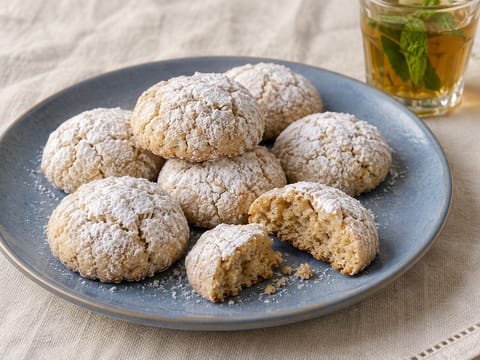
Nutty walnut biscuits scented with orange blossom and cinnamon
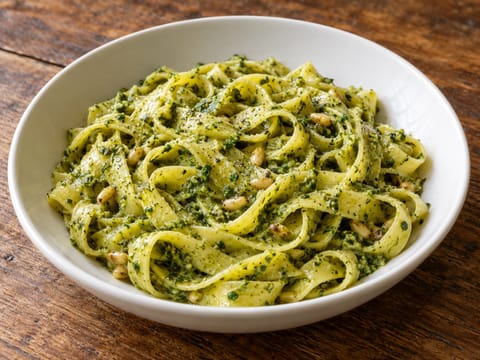
Pasta tossed with basil pesto, Parmesan and pine nuts
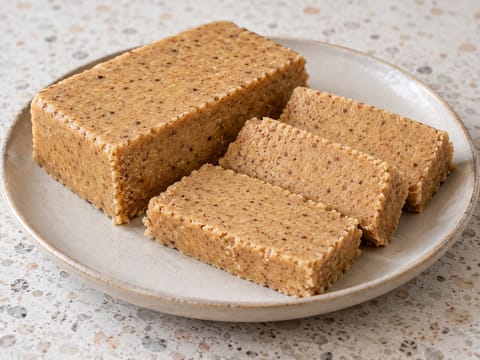
Soft Spanish almond nougat made with honey and sugar
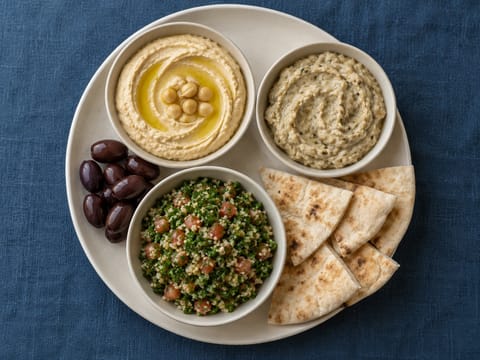
Mezze platter with hummus, baba ganoush, tabbouleh and pita
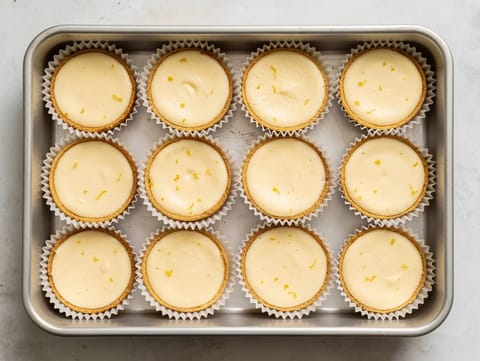
Mini cheesecakes baked in an air fryer, then chilled.
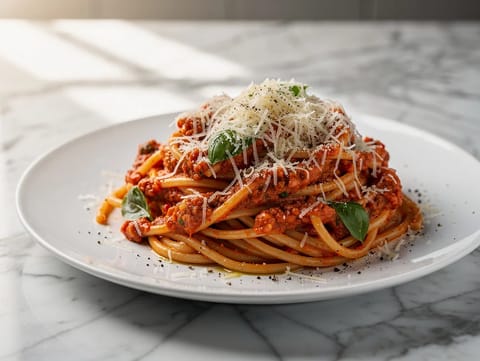
Sicilian pasta with tomato, basil and almond pesto
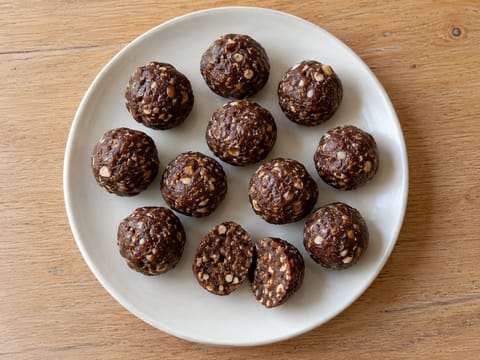
No-bake almond and date energy bites with cocoa

Creamy hummus topped with cumin-spiced minced lamb
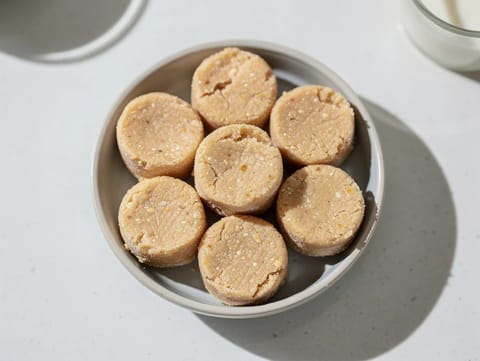
Crumbly peanut mazapán pressed with icing sugar and vanilla

Crisp filo triangles filled with almond paste and dipped in honey
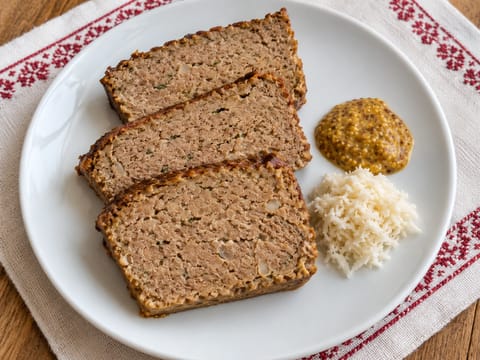
Polish baked meat pâté with pork, chicken and eggs
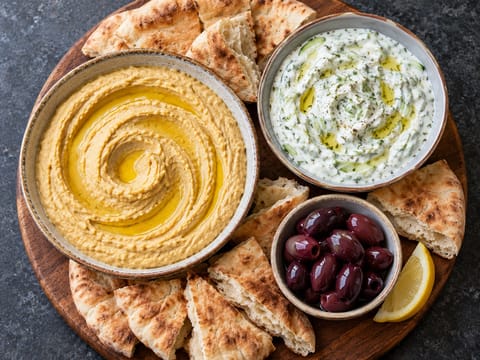
Iftar mezze board with hummus, cacık, olives and pita
Overfilling is the quickest route to patchy chopping: ingredients at the top bounce around while the bottom turns to paste. Work in batches if needed. Another common issue is running the machine continuously when pulsing would give more control, especially for salsas, chopped nuts and anything you want to keep textured. Wet ingredients can also smear rather than shred when you use the grating disc; pat vegetables dry when the recipe depends on a clean shred. Finally, do not ignore the scrape-down. A quick pause to push food off the sides often makes the difference between “mostly chopped” and evenly processed.
Cooking method pairs naturally with a food processor because the machine often supports a technique: quick stir-fries benefit from uniform slicing, fritters and patties rely on a particular grind, and doughs depend on controlled mixing. Difficulty is also useful when you want to avoid recipes that require very precise knife work or careful texture judgement beyond what the processor can deliver.
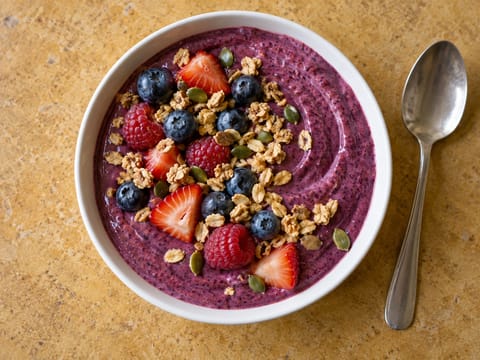
Mixed berries blended with banana and yoghurt for breakfast.
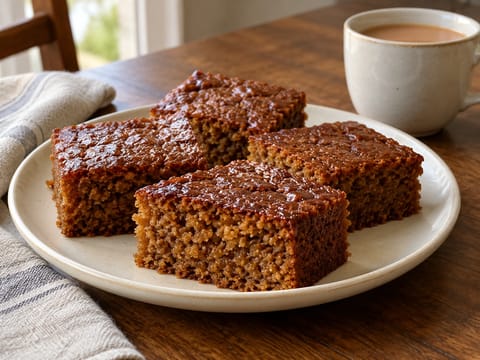
Sticky oat and treacle cake with warming ginger
Air-fried falafel made with chickpeas, herbs, spices and tahini.
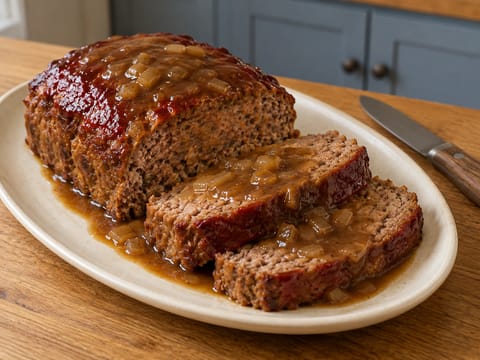
Juicy baked meatloaf served with rich brown onion gravy

Garlic butter prawns finished with lime, chilli and coriander
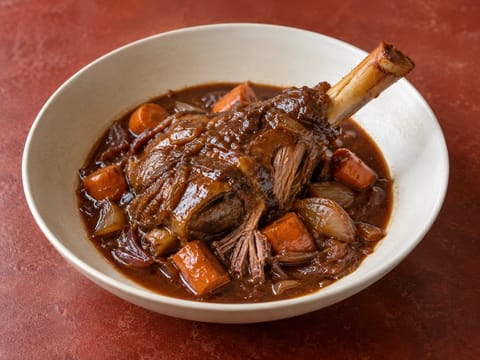
Slow-braised lamb shanks with rosemary and red wine sauce
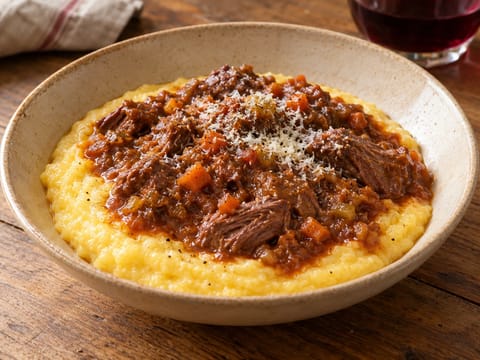
Creamy polenta topped with slow-simmered beef spezzatino
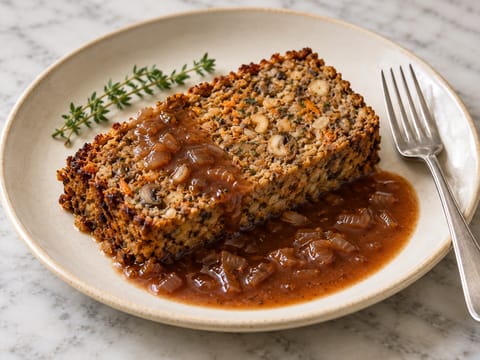
Sliceable nut roast with mushrooms, carrots and red wine gravy
They overlap, but they are built for different textures. A blender excels at smooth liquids; a food processor is better for chopping, shredding and thicker mixtures that need more torque.
Yes, especially in larger quantities. Pulse for control and stop while the pieces are still distinct. If you run it too long, onions release liquid and turn watery.
A sharp knife and a box grater cover many tasks. For purées and smooth sauces, a blender or stick blender can work. For doughs, mixing by hand is often perfectly workable, depending on the recipe.
Heat and over-processing can bruise herbs. Use short pulses, scrape down, and stop as soon as the texture is right. Some recipes also include a little oil early to help the blades move smoothly.
It depends on batch size. Larger bowls handle big prep jobs better, but small quantities can be awkward in a big machine because ingredients do not circulate well around the blade.
Some recipes use it to bring dough together quickly, but it is easy to overwork or warm the dough. Follow the recipe’s cues and stop once the dough forms and looks cohesive.
A food processor is most useful when it replaces repetitive chopping, shredding or mixing. Choose recipes that make full use of that capacity, and keep an eye on texture so speed does not turn into over-processing.
