
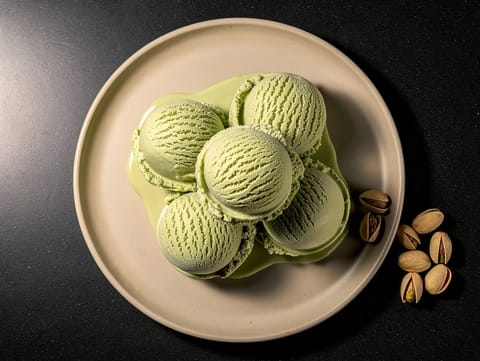
Gelato al Pistacchio (Sicilian Pistachio Gelato)
Smooth Sicilian-style pistachio gelato

An ice cream scoop is less about ice cream than about consistent portioning. It gives you a rounded shape, a predictable size and a clean release, which is useful for anything from frozen desserts to cookie dough and soft mixtures that you want to portion evenly. Because it is a shaping tool rather than a cooking method, the main question is whether you need uniformity and speed, or whether a spoon will do. This guide also covers the common handling mistakes that make scooping hard work.
A scoop is essentially a shaped spoon designed to cut into firm mixtures and release them in one piece. In frozen desserts, that means less scraping and fewer ragged edges. In baking, it helps portion cookie dough so pieces bake at a similar rate and spread more evenly. Some scoops have a spring-loaded sweeper, which can help with sticky mixtures, but the basic advantage is the bowl shape and a sturdy handle that lets you apply pressure without bending. It is not a substitute for chilling or softening: if a mixture is rock-hard, even a good scoop will struggle. Likewise, if a mixture is very loose, a scoop won’t hold a neat dome for long.
Smooth Sicilian-style pistachio gelato

Vanilla ice cream topped with chilled root beer
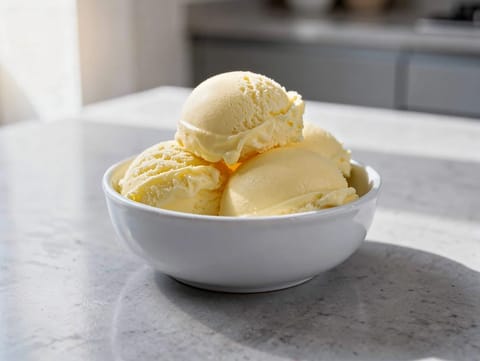
Italian lemon gelato made with fresh zest and juice

Italian lemon and basil sorbet churned smooth and frozen
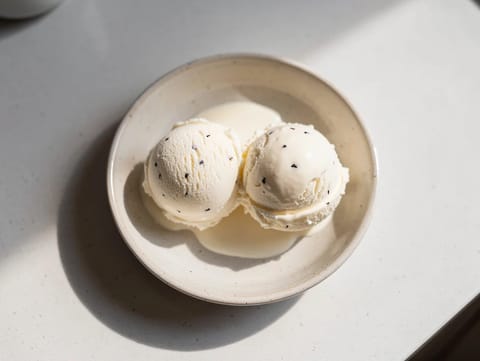
Custard-based vanilla bean ice cream with a smooth, rich texture
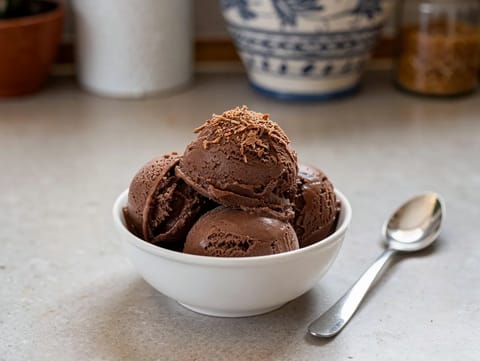
Dense dark chocolate gelato made with milk and double cream
If ice cream shatters into flakes, it is usually too cold or has been stored in a way that makes it very hard. Letting it sit briefly at room temperature often makes scooping cleaner. If the scoop drags and leaves a hollow, warm the scoop itself, then dry it so you are not adding water to the dessert. For sticky doughs, a light coating of oil or a quick dip in water can help release, but too much liquid can change the surface of what you’re portioning. Finally, don’t twist aggressively in the tub: a firm, smooth pull with the scoop’s edge doing the cutting is less likely to strain your wrist.
Italian lemon gelato made with fresh zest and juice
Vanilla ice cream topped with chilled root beer
Smooth Sicilian-style pistachio gelato
Dense dark chocolate gelato made with milk and double cream
Custard-based vanilla bean ice cream with a smooth, rich texture
Italian lemon and basil sorbet churned smooth and frozen
Choose a scoop when even portions matter to the result: cookies that should bake at the same pace, fritters that need similar size for frying, or neat quenelle-like shapes for serving. A scoop is also helpful when you want speed and less mess with soft mixtures such as mashed potato, rice, or thick batters. If you only need occasional portions, two spoons can do much of the same job: one to lift, one to push off. For very firm frozen desserts, a sturdy spoon with a thin edge can sometimes cut in more easily than a thick scoop. For precise weights, a scale is the more accurate tool, with a spoon or scraper for shaping.
Difficulty can be a useful companion here, because portioning tools often show up in recipes where consistency and presentation matter. Cooking method is also relevant when scooped portions go straight into frying or baking, where size affects how evenly they cook.
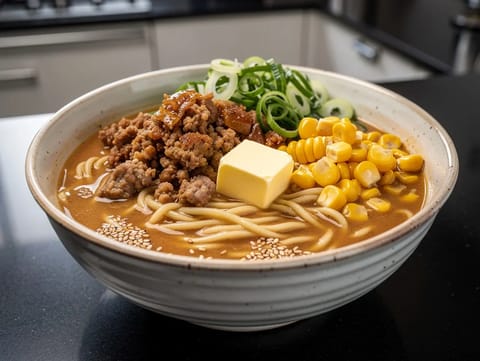
Hokkaido miso ramen with minced pork, sweetcorn and butter

Ouzo spritz with lemon, syrup, sparkling water and ice
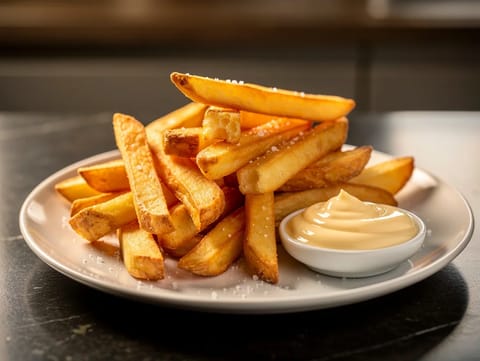
Double-fried Belgian chips served with mayonnaise
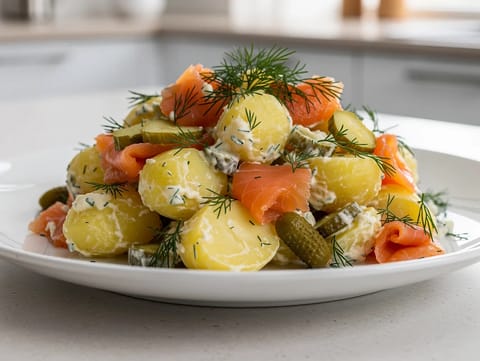
Potato salad with smoked salmon, gherkins and dill

Spanish garlic chicken simmered in olive oil and white wine
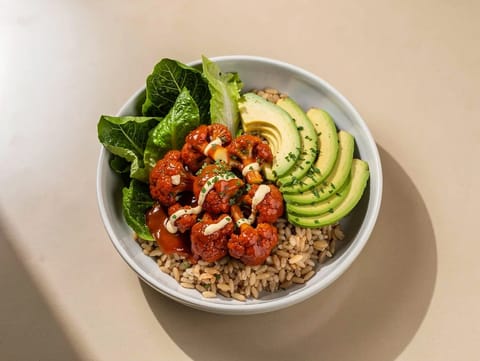
Roasted buffalo-style cauliflower bowl with brown rice and avocado

Sparkling Champagne cocktail with crème de cassis
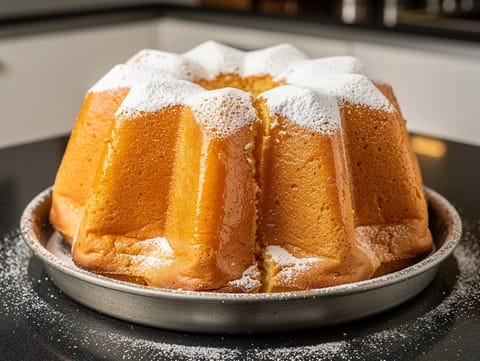
Buttery Italian Christmas cake dusted with icing sugar
Not always. A sturdy spoon can work, especially if the ice cream is allowed to soften slightly. A scoop mainly helps with speed, neat shape and consistent portions.
A warm scoop can help release, but water left on the scoop can make sticking worse. Warm it briefly, then dry it before scooping.
Yes. It’s a common way to portion dough evenly so cookies bake at a similar rate. Sticky dough may release more easily if the scoop is lightly oiled or dampened.
Use the edge of the scoop to cut a clean path, then pull through in one motion. If the dessert is very hard, soften it slightly first rather than forcing the scoop.
It can help with sticky mixtures, but it isn’t essential. Many mixtures release well with a firm scoop and a quick push from a spoon.
Yes. Thick mixtures such as mashed potato, rice or croquettes can be portioned quickly with a scoop when you want uniform size.
If a recipe benefits from pieces that cook or serve evenly, a scoop earns its place. When uniformity matters less, a spoon and a little patience usually get you to the same destination.
