
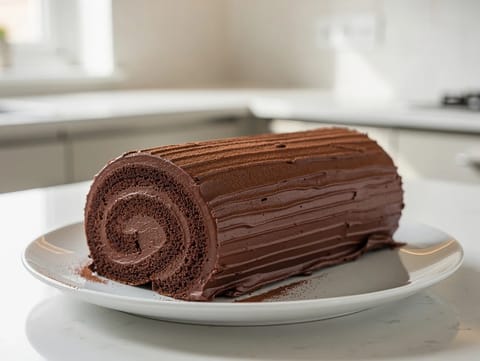
Bûche de Noël (Yule Log Cake) with Chocolate Buttercream
Chocolate sponge roll filled and coated with chocolate buttercream

Parchment paper is one of the simplest ways to make baking and roasting more predictable: it limits sticking, keeps trays cleaner and makes delicate items easier to lift and move. It also changes how heat reaches the food. Because it creates a thin barrier between metal and ingredients, it can reduce direct contact browning and slow the way sugars and fats caramelise on the underside. Knowing when that trade-off matters helps you decide whether to line a tray, a tin, or leave the surface bare.
Parchment paper is a heat-resistant, non-stick paper used to line baking trays, cake tins and roasting pans. It is not the same as waxed paper, which is not designed for oven heat. In practice, parchment is most useful when you want clean release: biscuits that would otherwise weld to a tray, meringues and macarons, sticky marinades, or roasted vegetables that leave caramelised patches behind. It can also help with shaping and transferring, such as sliding a sheet of rolled dough onto a tray. Because it slightly insulates the base, it is not always ideal when you want a very crisp underside.
Chocolate sponge roll filled and coated with chocolate buttercream
Banketstaaf is a flaky puff pastry log wrapped around a sweet almond paste filling
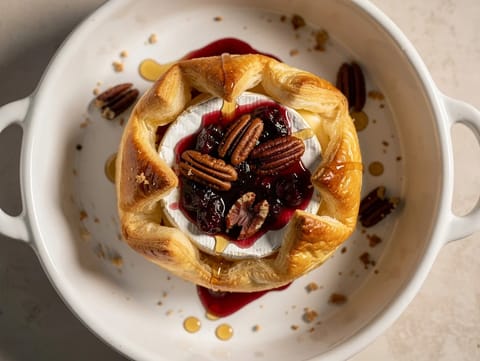
Baked Brie in puff pastry with cranberry sauce and pecans
Crisp puff pastry sausage roll filled with lentils, mushrooms and caramelised onion
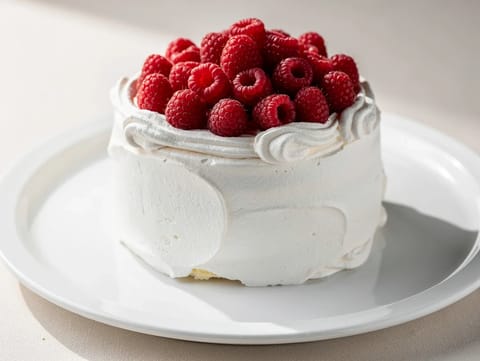
Frozen dessert of meringue, vanilla ice cream and raspberries
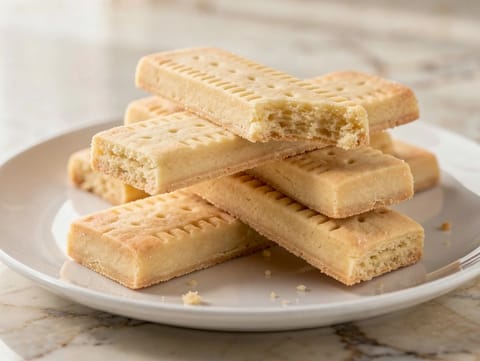
Buttery Scottish shortbread baked until pale gold
Line a tray when the mixture is high in sugar, cheese or sticky glaze, or when you need to lift a whole bake out in one piece. For roasting, parchment suits vegetables and fish where you want gentle release and easy clean-up, and it can help prevent thin items from catching on a hot spot. Skip parchment when you are chasing strong bottom browning, such as some pizzas, flatbreads or pastries that rely on direct contact with a hot tray or stone. If a recipe calls for preheating the tray, add the parchment after preheating to avoid it scorching at the edges before the food goes on.
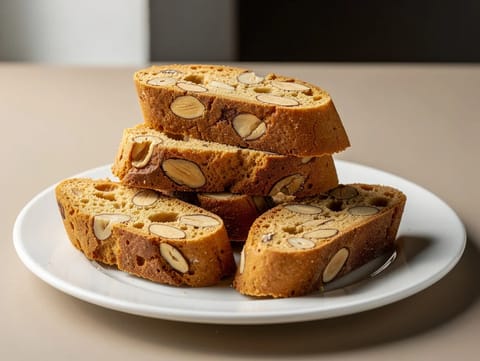
Twice-baked almond biscuits with a crisp, dunkable texture
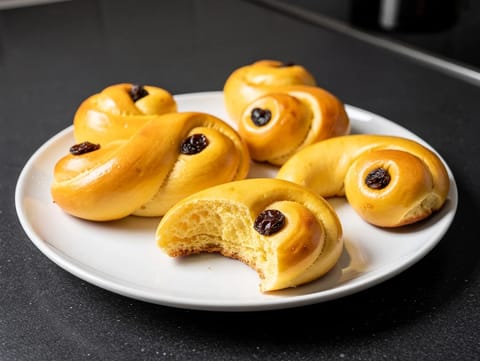
Swedish saffron buns shaped into curls with raisins
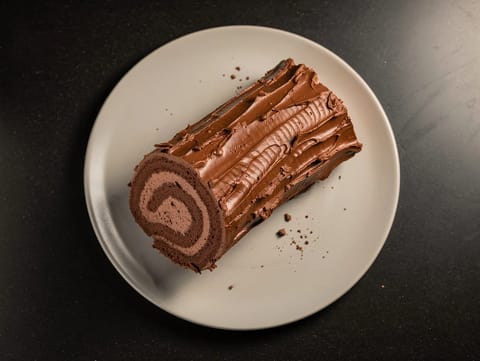
Chocolate Swiss roll filled and coated with chocolate buttercream
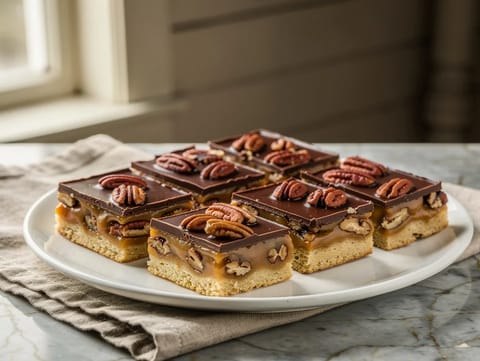
Shortbread bars topped with pecans, caramel and dark chocolate
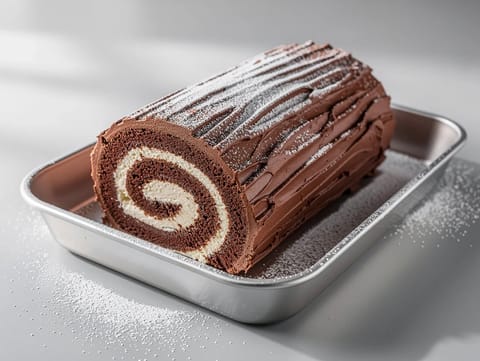
Cocoa Swiss roll filled with whipped cream and buttercream
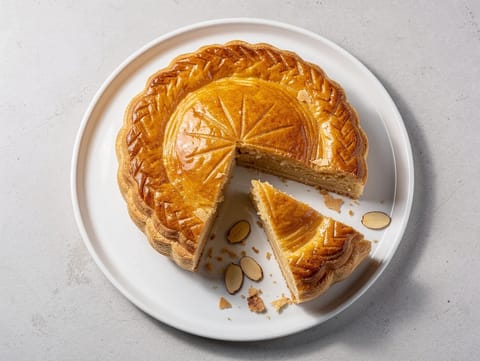
Puff pastry cake filled with almond frangipane
Chocolate sponge roll filled and coated with chocolate buttercream
Baked Brie in puff pastry with cranberry sauce and pecans
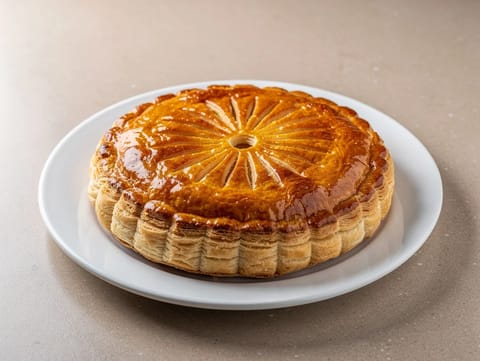
Puff pastry cake filled with sweet almond frangipane
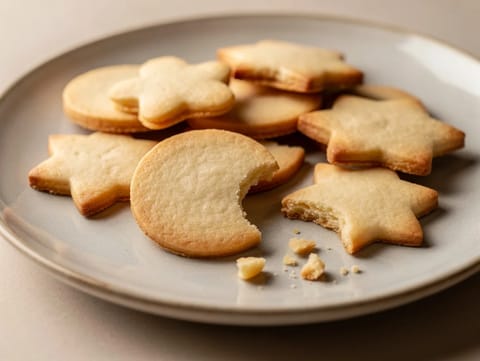
Crisp Nordic biscuits with vanilla and cardamom
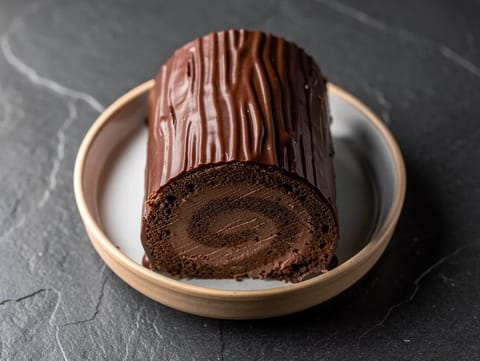
Rolled chocolate sponge with chocolate cream and ganache
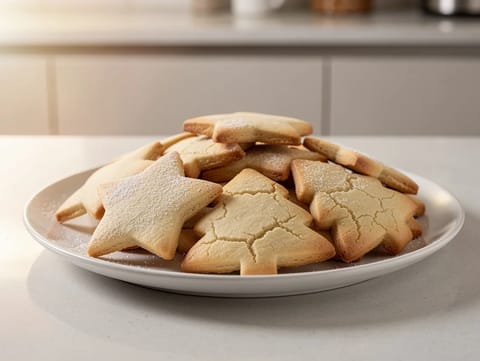
Buttery vanilla sugar cookies cut into festive shapes
The most common issue is using waxed paper instead of parchment, which can smoke or melt in the oven. Another is letting an empty sheet sit in a hot oven or under a grill: the corners can darken and become brittle, especially if they are not weighed down by food. Finally, be aware that parchment can trap a little moisture under wet ingredients. If you want crispness, give food space, use a hot tray, and consider finishing directly on the metal for the last part of cooking if the recipe allows.
Parchment shows up across many techniques, but it is especially tied to Baking and roasting methods where sticking and clean release matter. If you are choosing between similar recipes, Difficulty can also be a helpful guide: lining tins, lifting bakes and managing delicate textures often adds a small but real layer of handling skill.
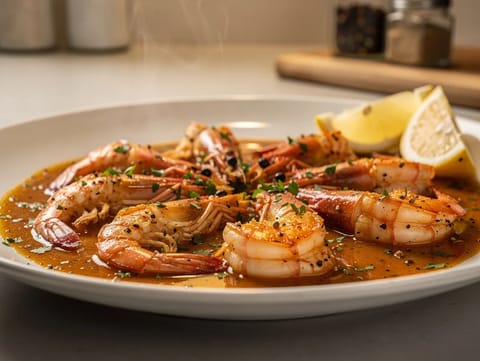
Quick prawns cooked in buttery Worcestershire, lemon and pepper sauce
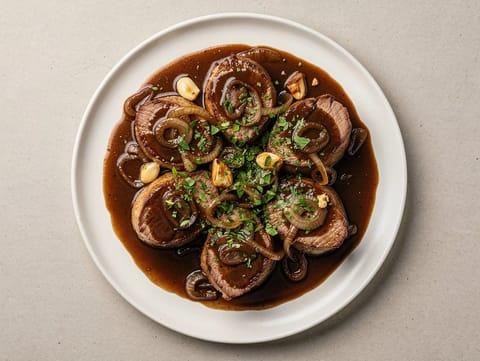
Seared pork tenderloin finished in a glossy Pedro Ximénez sauce
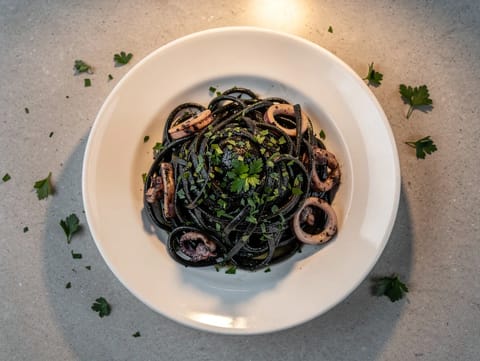
Squid ink linguine with squid in garlic and white wine
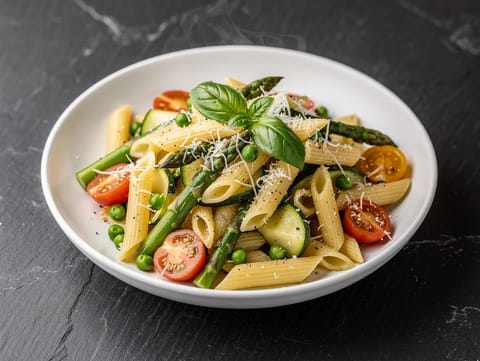
Pasta primavera with spring vegetables, lemon and Parmesan
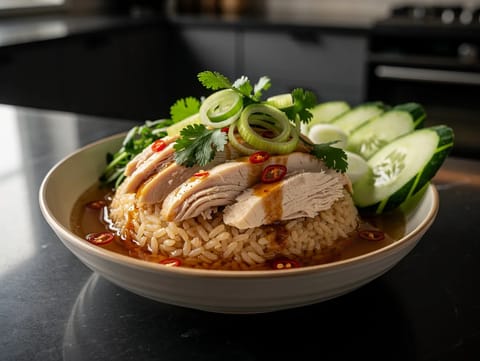
Chicken rice with cucumber, herbs and fish sauce dressing
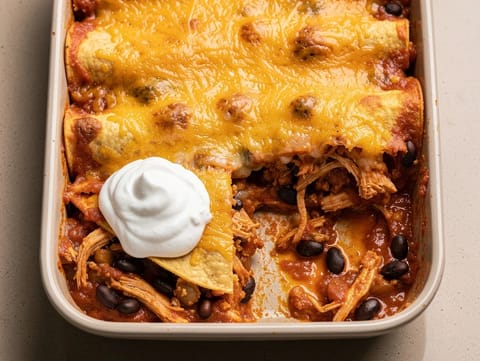
Enchilada casserole with chicken, black beans and melted Cheddar
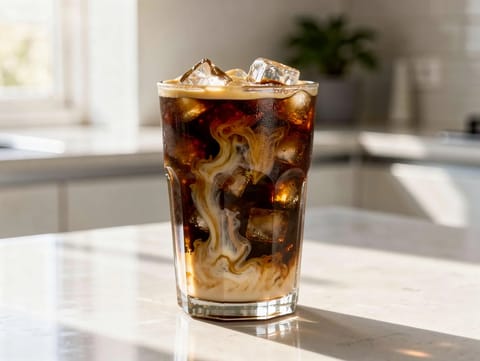
Thai iced coffee served over ice with condensed milk
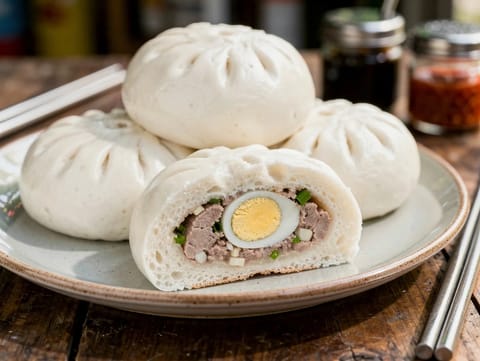
Fluffy steamed buns filled with minced pork and hard-boiled egg
Yes. In British English it is often called baking paper; in other places you may see parchment paper. The key is that it is oven-safe and non-stick.
It depends on distance and heat intensity, but it is generally risky because exposed edges can scorch quickly. If a recipe uses a grill finish, it may specify foil or no lining.
Parchment reduces friction and can slightly change how the base sets. If the dough is warm or high in fat, it may spread more readily. Chilling the dough and using the tray temperature the recipe expects can help.
Often, yes. It reduces direct metal contact, so the underside may brown more gently. That can be helpful for delicate bakes, but less so when you want a crisp base.
Sometimes. If it is not heavily browned, greasy or stuck with burnt sugar, it can be reused for similar bakes. Once it is brittle or very stained, it is best replaced.
Parchment paper is at its best when release and clean handling matter more than maximum browning. Treat it as a choice: line for sticky, delicate or lift-out bakes, and go directly on hot metal when crispness and colour are the priority.
