
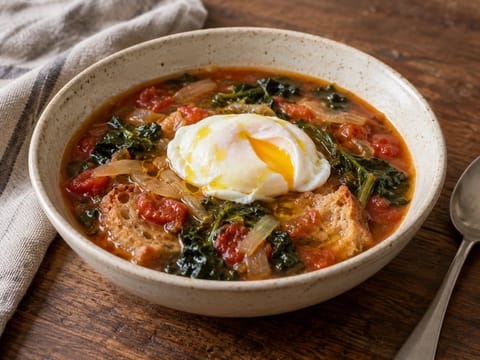
Acquacotta (Tuscan Vegetable Soup with Bread and Egg)
Tuscan vegetable soup with bread and a poached egg
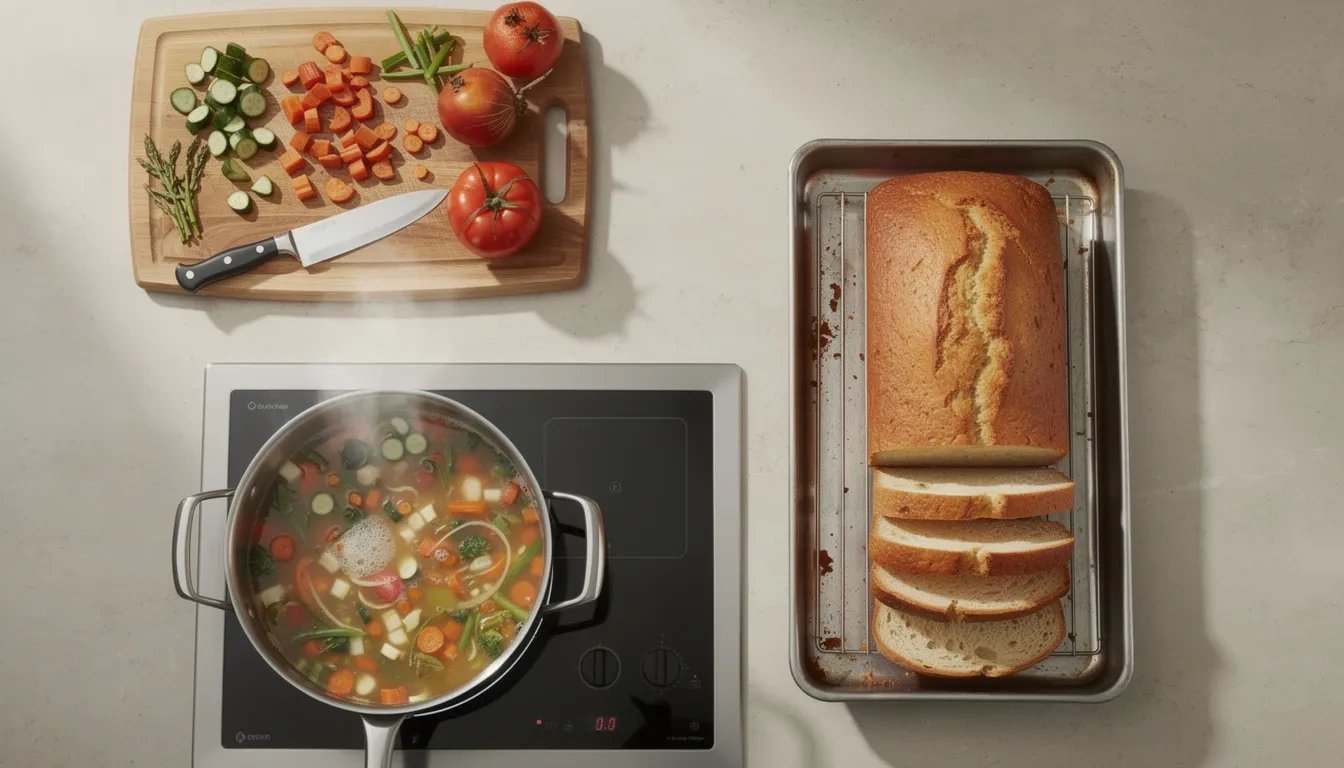
Poaching is gentle cooking in liquid kept below a full boil. It is a useful method when you want tender results quickly without the surface drying out, and it can be as simple as a shallow pan and a steady heat.
Most poaching problems come from the liquid being too hot, too aggressively flavoured, or not suited to the ingredient. A calm simmer and a well-chosen poaching liquid do most of the work.
A rolling boil jostles food and can tighten proteins; poaching aims for quieter heat so delicate ingredients hold together and stay succulent. You will often see poaching used for eggs, fish, chicken, fruit and dumplings, but the logic is the same: keep the temperature gentle, and let the liquid carry flavour.
Because the cooking medium is water-based, poached food tends to taste clean rather than browned. That makes finishing touches important, such as a sauce, seasoned oil, fresh herbs, citrus, or a well-salted broth.
Tuscan vegetable soup with bread and a poached egg
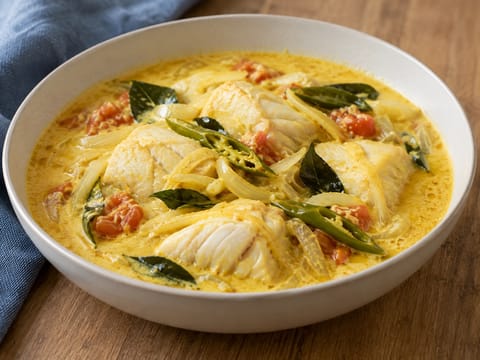
White fish poached in mild coconut milk curry
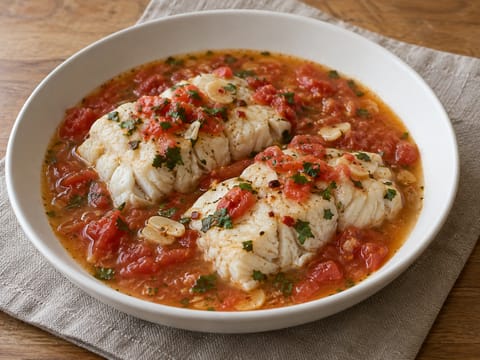
White fish poached in tomato and white wine broth
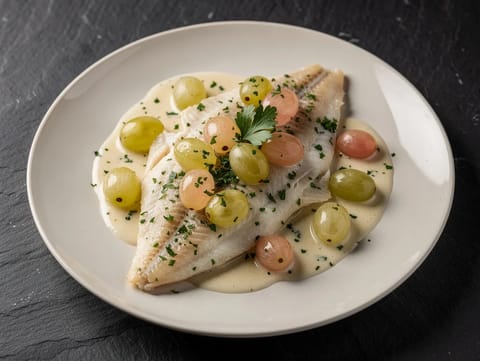
Poached sole with grapes in a white wine cream sauce
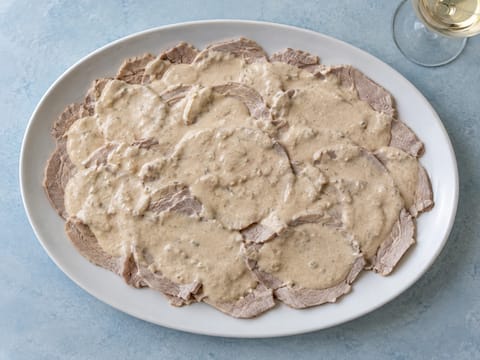
Chilled veal topped with creamy tuna and caper sauce
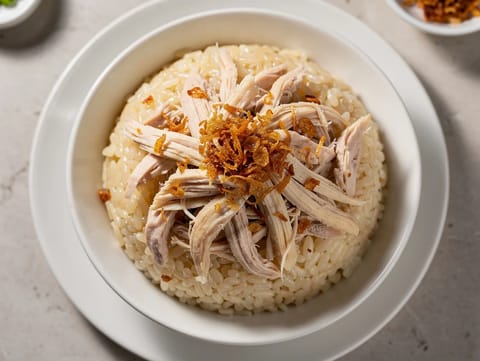
Sticky rice topped with shredded chicken, ginger and fried shallots
A poached recipe cooks the main ingredient in a liquid that is hot but not violently bubbling. The liquid might be plain water, stock, milk, wine, sweetened syrup, or an aromatic mix with spices and herbs. Some recipes poach fully submerged; others use a shallow poach with a lid so steam and liquid work together.
Poaching does not automatically mean bland or diet-focused. It is simply a low-agitation, moisture-rich method. The flavour outcome depends on how the liquid is seasoned and what you add afterwards.
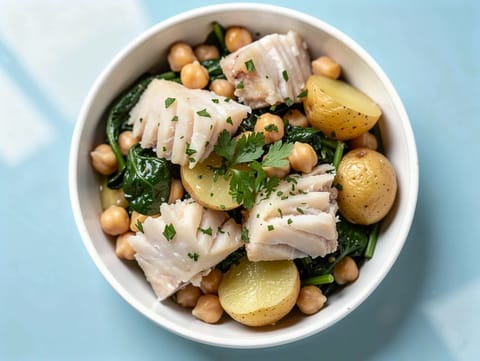
Poached cod with chickpeas, potatoes and spinach
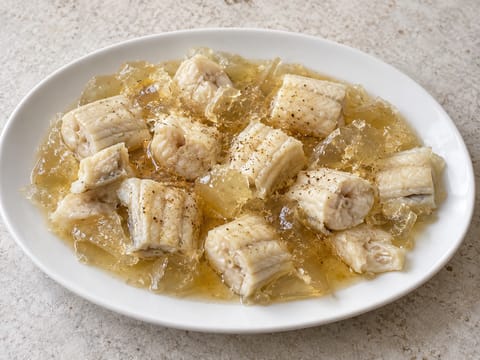
Chilled eel set in spiced jelly with malt vinegar
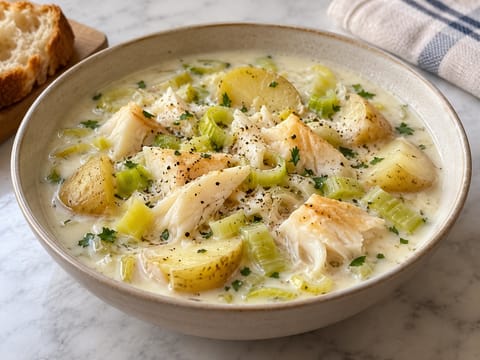
Creamy smoked haddock chowder with leeks and potatoes
Sticky rice topped with shredded chicken, ginger and fried shallots
White fish poached in mild coconut milk curry
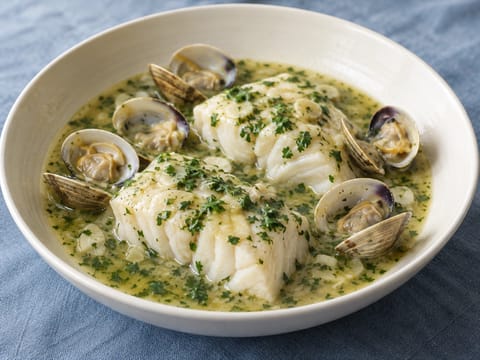
Hake poached in parsley and garlic green sauce with clams
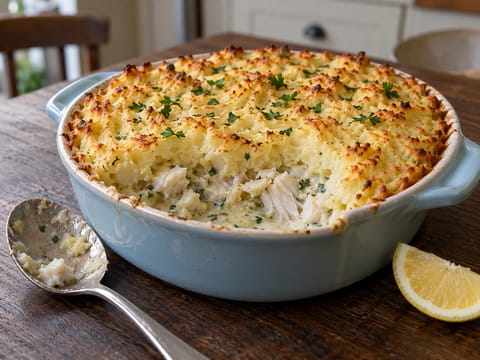
Smoked haddock pie with parsley sauce and mashed potato
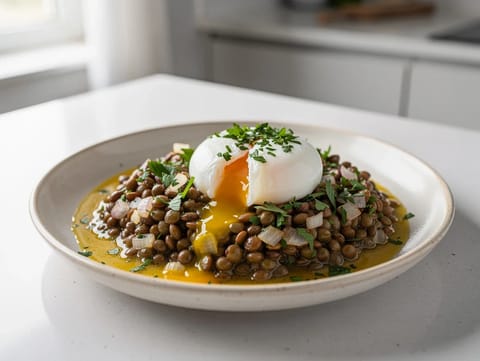
Warm Puy lentils with poached egg and Dijon dressing
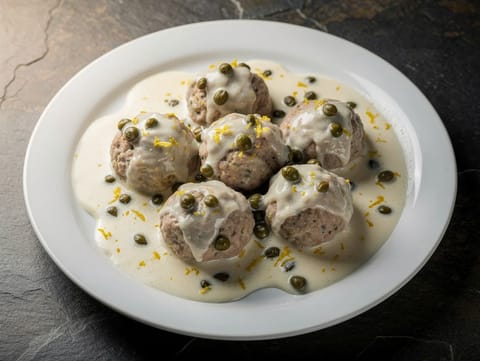
Poached meatballs in creamy caper sauce with lemon
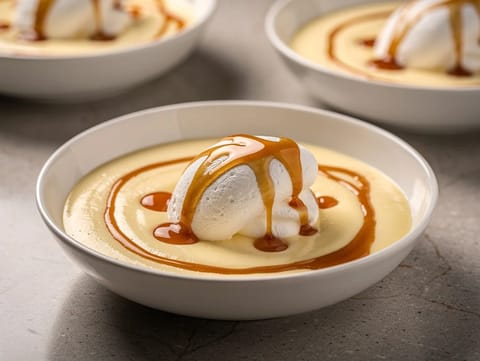
Poached meringue floating on vanilla custard with caramel
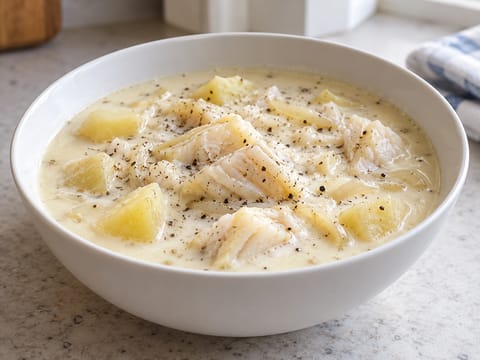
Scottish smoked haddock soup with potatoes and milk
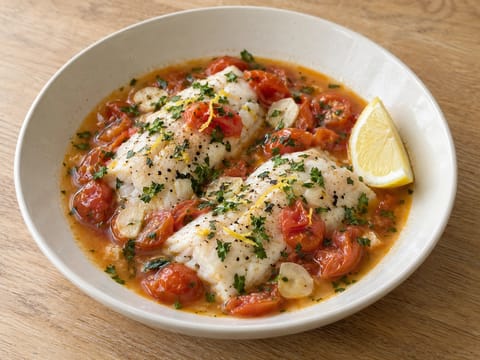
White fish poached in cherry tomato, garlic and wine broth
If you want speed and simplicity, look for recipes that poach in lightly seasoned water or stock and finish with a punchy dressing or sauce. These tend to be forgiving and quick to set up.
For a more aromatic result, choose recipes where the poaching liquid is treated like a broth, with ginger, garlic, citrus peel, spices or herbs. The ingredient will pick up some of that perfume, especially if it is cooked gently and not overdone.
For desserts, poaching often means fruit in a syrup or spiced wine. Here, the choice is about how much sweetness and spice you want, and whether the fruit should hold its shape or become spoon-tender.
The most common mistake is overheating. If the liquid is boiling hard, turn it down until you see only small bubbles and gentle movement.
Another issue is under-seasoning the liquid. Salted water or stock seasons the food as it cooks; without it, the centre can taste flat even if the outside is sauced.
Finally, avoid overcooking. Poached foods can go from tender to dry surprisingly quickly because there is no browned crust to hide it. When in doubt, pull the ingredient slightly early and let it finish in the residual heat of the liquid.
Equipment can change how straightforward poaching feels: a wide, shallow pan suits fish and chicken breasts, while a deeper saucepan is useful for eggs or fruit in syrup. Cooking time is also a helpful companion when you want genuinely quick poached dishes rather than recipes that include long chilling, reducing or sauce-making steps.
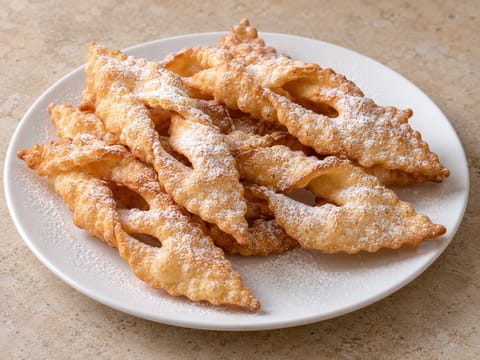
Twisted Nordic fried pastries dusted with icing sugar
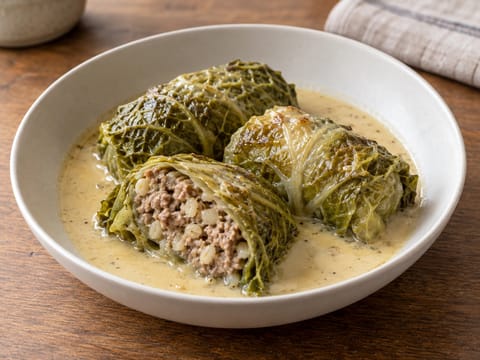
Savoy cabbage rolls with pork, pearl barley and cream sauce
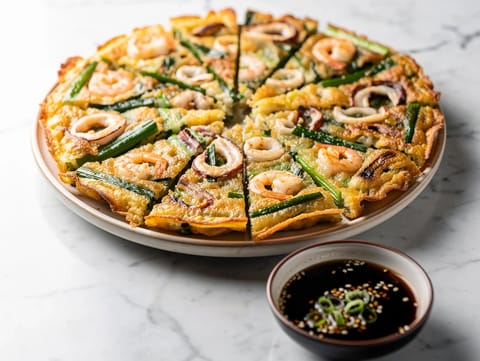
Seafood and spring onion pancake with soy vinegar dipping sauce
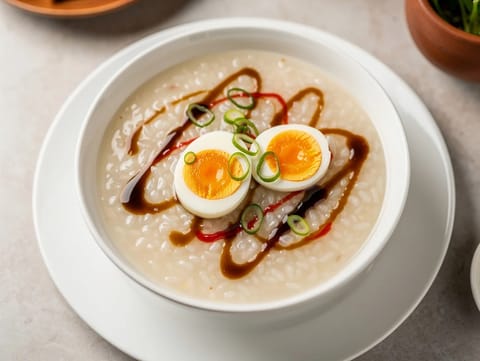
Jasmine rice congee topped with egg, soy and sesame oil
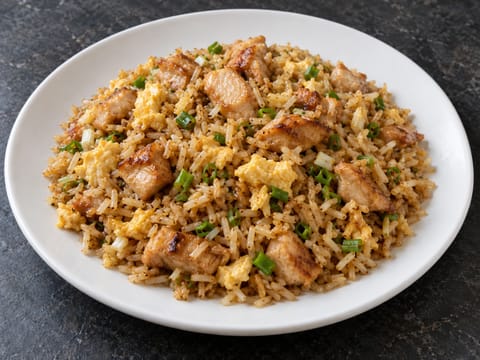
Peruvian fried rice with chicken, egg, soy sauce and sesame oil

Crisp filo triangles filled with almond paste and dipped in honey
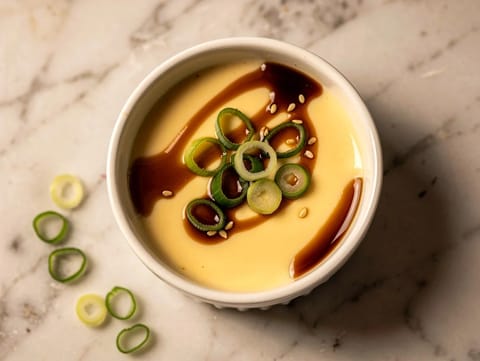
Silky steamed egg custard with soy sauce, sesame oil and spring onion
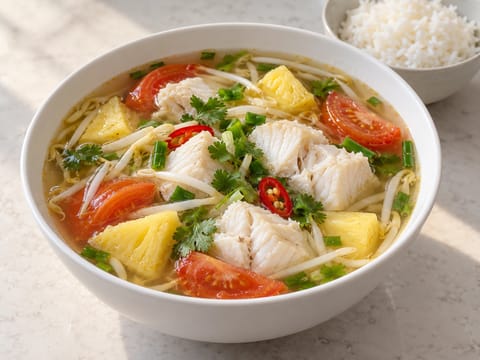
Sweet and sour Vietnamese fish soup with tamarind and pineapple
Poaching is typically below a full boil, with gentle movement in the liquid rather than vigorous bubbling. Exact temperatures vary by ingredient and recipe.
The water may have been boiling too hard, or the egg may have been very fresh or very old, which affects how the white sets. Many recipes also use a gentle swirl or a small amount of acid to help the white hold together.
Yes. Water works well when it is properly salted and you finish the dish with a flavourful sauce, oil or garnish. Aromatics in the water can add extra character.
They are close. Simmering can be a little more active, especially for stews and sauces. Poaching usually aims for gentler heat to protect delicate ingredients.
No. A saucepan or frying pan and a lid are often enough. The key is choosing a pan shape that suits the ingredient and lets you keep the heat steady.
Poaching rewards a light touch. Choose recipes that are clear about the poaching liquid and the finishing flavours, then keep the heat calm and the timing attentive. That is what turns a simple pot of hot liquid into a reliably tender result.
