
Hand-Pulled Beef Noodles (Lanzhou-Style Noodles in Clear Broth)
Why this recipe works
- Clearer broth: Blanching the bones, skimming early and keeping the broth at a gentle simmer help produce a cleaner, clearer beef soup.
- Subtle aromatics: Ginger, garlic, star anise and cassia add warmth without overwhelming the clear broth.
- Adjustable finish: Chilli oil is added at the end, so each bowl can be kept mild or made more fragrant and spicy at the table.
Get the most out of this recipe
Authenticity notes
- Lanzhou-style profile: The defining elements are clear beef broth, hand-pulled wheat noodles, sliced beef, fresh herbs and chilli oil.
- Broth clarity matters: The bones are blanched and the soup is simmered gently rather than boiled hard, which keeps the flavour clean and the appearance clear.
- Fresh finish: Spring onion, coriander and chilli oil are added just before serving to keep the bowl bright and aromatic.
Timing notes
- Mostly inactive time: The long cook time is mainly broth simmering and dough resting; the most active stage is pulling and cooking the noodles.
- Let the dough relax: If the dough pulls back or tears, give it a short rest before continuing; relaxed dough stretches more evenly.
- Serve straight away: Freshly pulled noodles are best eaten immediately, before they soften too much in the hot broth.
Adjust the heat
- For a milder bowl: Use only a little chilli oil, or serve it on the side so the broth stays gentle and aromatic.
- For more heat: Add extra chilli oil at the table rather than simmering it into the broth, so the soup keeps its clear flavour.
- Keep it balanced: Fresh coriander and spring onion help lift the richness of the beef and keep the chilli oil from feeling heavy.
Make-ahead tips
- Make the broth ahead: The broth and beef can be prepared in advance, then reheated until piping hot before serving.
- Keep noodles fresh: Store the broth and beef together, but pull and cook the noodles fresh for the best texture.
- Freezer-friendly base: The broth and beef freeze well; defrost in the fridge before reheating and finishing with freshly cooked noodles.
Equipment you'll need
Ingredients
Broth and beef
Noodles and assembly
Instructions
- Put the marrow bones in a stockpot, cover with cold water, and bring to the boil. Boil for 5 minutes to blanch, then drain and rinse the bones and pot to keep the broth clear.
- Return the bones to the clean pot and add the brisket. Add about 2.5 l water, bring to a gentle simmer, and skim any foam for the first 10 minutes.
- Slice the ginger and lightly crush the garlic cloves, then add them to the pot with the star anise and cassia cinnamon. Simmer very gently for 1 hour 30 minutes, turning the brisket once or twice, until the beef is tender but still sliceable.
- While the broth simmers, make the dough: put the flour in a mixing bowl and stir in 1 tsp fine sea salt. Add 160 ml water gradually, mixing to a shaggy dough, then knead for 8 to 10 minutes until smooth and elastic.
- Coat the dough lightly with 1 tbsp rapeseed oil, cover, and rest at room temperature for 30 minutes. Knead briefly, then rest for another 20 minutes to relax the gluten for pulling.
- Lift out the brisket and set aside to cool slightly, then strain the broth into a clean pot. Season the broth with the light soy sauce and the remaining 1 tsp fine sea salt, keeping it hot over a low heat.
- Slice the spring onions and roughly chop the fresh coriander. Thinly slice the brisket across the grain.
- Bring a large pot of water to a rolling boil. Divide the dough into 6 pieces, roll each into a rope, and lightly oil your hands and the ropes with the remaining 1 tbsp rapeseed oil.
- Pull one rope at a time: stretch, fold in half, and stretch again until you have long, even noodles. Drop them straight into the boiling water and cook for 1 to 2 minutes until they float and feel springy, then lift out with a colander and divide between bowls.
- Ladle the hot broth over the noodles, then top with sliced beef. Finish each bowl with spring onion, fresh coriander, and a spoonful of chilli oil to taste, and serve immediately.
Recipe notes
Tips
- Keep the broth at the gentlest simmer you can manage and skim early on for a clearer, cleaner-tasting soup.
- If the dough keeps springing back while pulling, rest it for 10 minutes, then try again; relaxed dough stretches more evenly.
- Chilli oil heat varies a lot, so start with a little in each bowl and add more at the table.
Substitutions
- Replace rapeseed oil with vegetable oil for oiling the dough and hands.
- Replace light soy sauce with dark soy sauce for a deeper colour and slightly sweeter flavour, using a little less to avoid overpowering the broth.
- Replace beef brisket with beef chuck roast for a similar tender, sliceable result.
Storage
- Refrigerate up to 3 days
- Store broth and beef together in an airtight container in the fridge. Reheat the broth until piping hot, then warm the beef briefly in the hot broth; make and cook noodles fresh for the best texture. The broth and beef can be frozen for up to 2 months; defrost overnight in the fridge before reheating.
Ratings & reviews
Liked this recipe? Share your feedback to support our cooking community.
Tried this recipe?
Choose 1–5 stars. A comment is optional.
Stay inspired
Discover new recipes, seasonal favourites and cooking inspiration every day. Follow JustRecipes on Pinterest and Spillt.

Recipe overview
- Servings: 3 bowls
- Total time: 2h 30min (55min active)
- Difficulty: Advanced
- Cuisine: Chinese
-
Allergens:
Gluten Soybeans Wheat
Plan your meals and get a complete grocery list automatically.
Add to meal plannerEquipment you'll need
Got ingredients left?
Find recipes using ingredients from this recipe or what you already have at home.
Find recipes with these ingredients →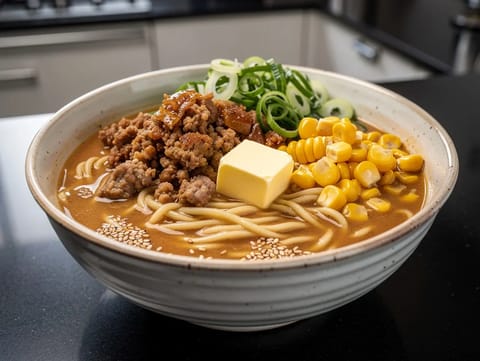
Hokkaido Miso Ramen (Rich Miso Broth Noodle Soup)
Hokkaido miso ramen with minced pork, sweetcorn and butter
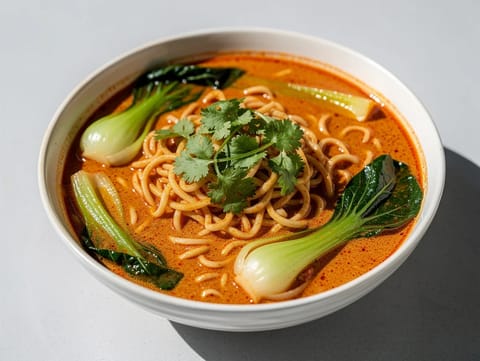
Quick Thai Curry Ramen
Thai curry ramen with coconut milk, pak choi and lime
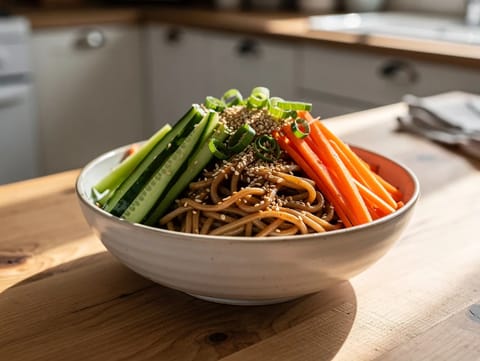
Sesame Noodle Bowl with Cucumber and Carrot
Sesame noodles with cucumber, carrot and spring onion
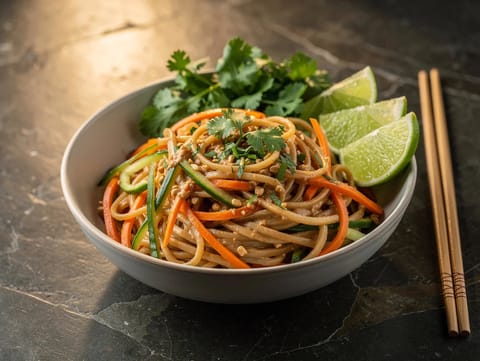
Thai Peanut Rice Noodle Bowl with Cucumber and Carrot
Rice noodles in chilli peanut sauce with crunchy veg
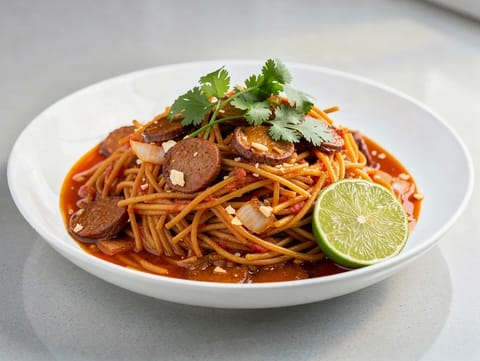
Sopa Seca de Fideos con Chorizo (Mexican Toasted Noodles)
Toasted fideos simmered in tomato broth with chorizo
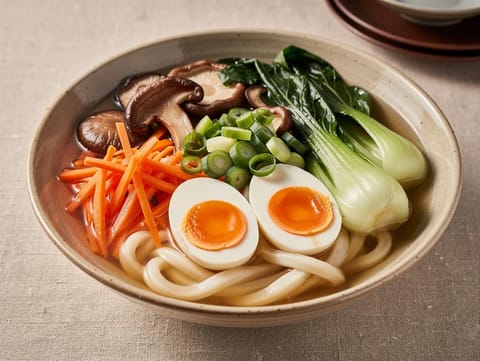
Gomoku Udon (Udon with Mixed Toppings)
Udon noodle soup with mixed vegetables and softly set egg

Egg Fried Rice with Prawns
Stir-fried rice with prawns, egg, peas and spring onions
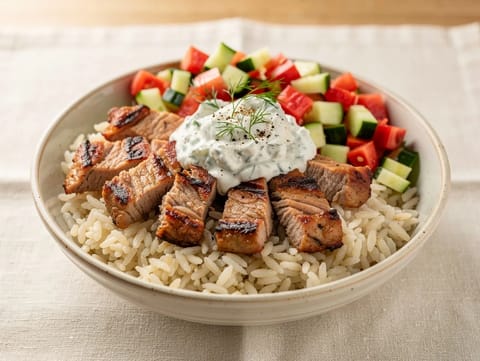
Pork Souvlaki Bowl with Tzatziki and Rice
Grilled pork souvlaki served over rice with tzatziki
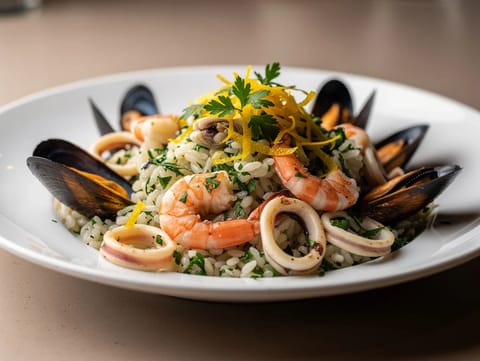
Risotto ai Frutti di Mare (Italian Seafood Risotto)
Creamy seafood risotto with prawns, mussels, squid and lemon
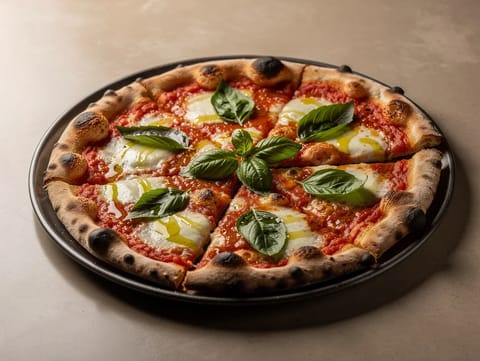
Pizza Margherita (Tomato, Mozzarella and Basil)
Classic pizza with tomatoes, mozzarella and fresh basil
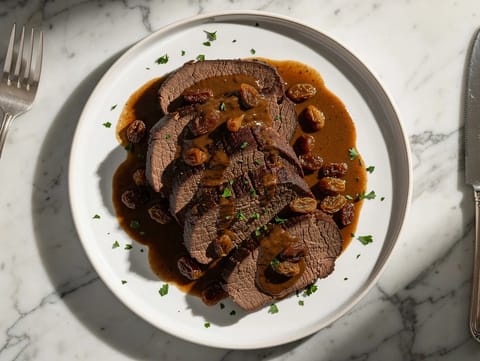
Rheinischer Sauerbraten with Raisins and Gingersnap Gravy
Sauerbraten beef with raisin and gingersnap gravy
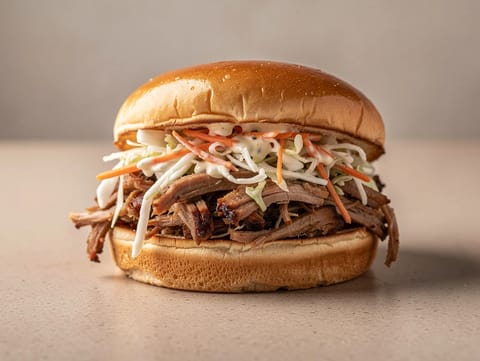
Pulled Pork Bap with Slaw
Pulled pork baps topped with crunchy cabbage slaw
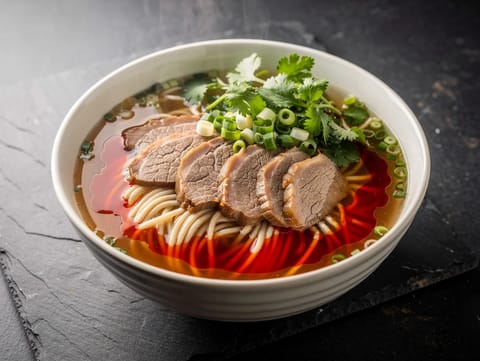
Lanzhou Beef Noodles (Hand-Pulled Noodle Soup)
Lanzhou beef broth with hand-pulled noodles, beef and chilli oil
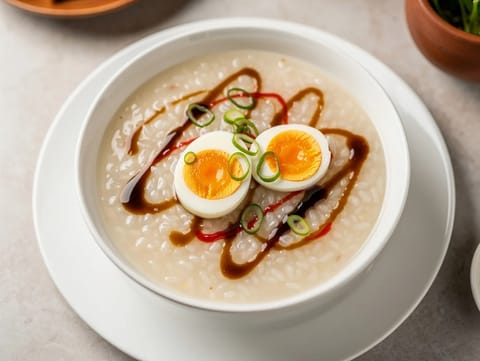
Modern Congee Bowl
Jasmine rice congee topped with egg, soy and sesame oil
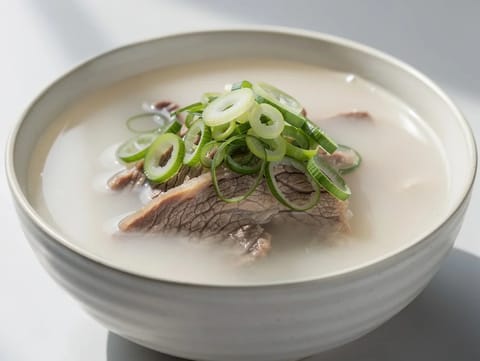
Seolleongtang (Korean Ox Bone Soup with Brisket)
Korean ox bone soup with brisket and a milky broth
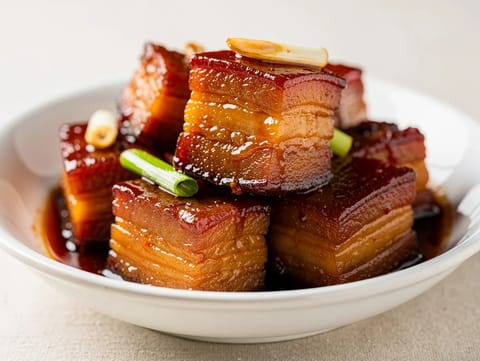
Red-Braised Pork Belly (Hong Shao Rou)
Red-braised pork belly in sweet soy glaze
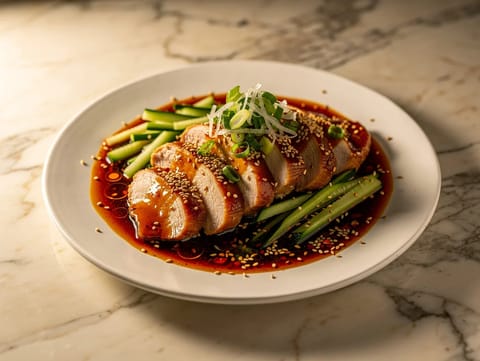
Sichuan Cold Chicken with Chilli Oil
Chilled poached chicken dressed with chilli oil and black vinegar
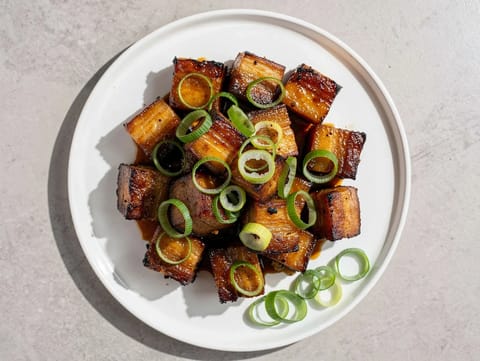
Air Fryer Honey Soy Pork Belly Bites
Crispy pork belly bites in a honey soy glaze.
You might also like
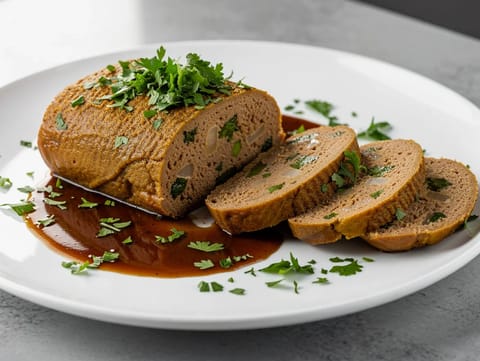
Hackbraten (German Meatloaf with Mustard Crust)
Beef and pork meatloaf with mustard crust and pan-juice gravy
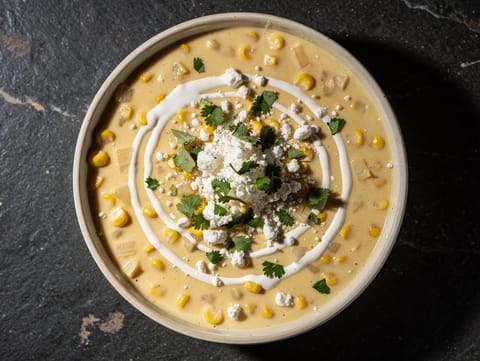
Sopa de Elote con Crema (Mexican Sweetcorn Soup)
Creamy Mexican sweetcorn soup finished with crema and lime
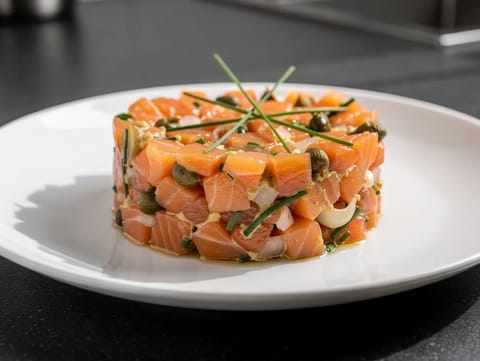
Tartare de Saumon (French-Style Salmon Tartare)
French-style salmon tartare with capers, Dijon and lemon
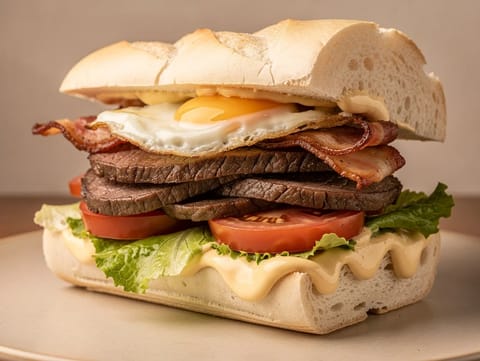
Uruguayan Chivito (Steak Sandwich with Egg and Bacon)
Steak sandwich with fried egg, bacon, tomato and mayonnaise
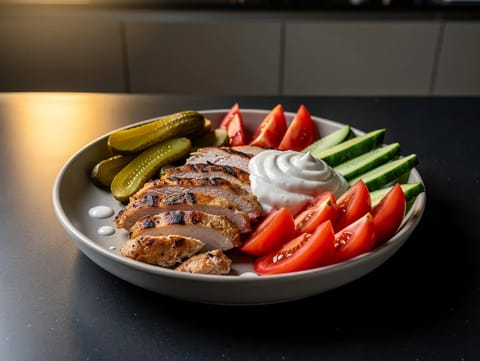
Chicken Shawarma Plate with Garlic Sauce and Pickles
Roasted chicken shawarma with garlic sauce, pickles and salad
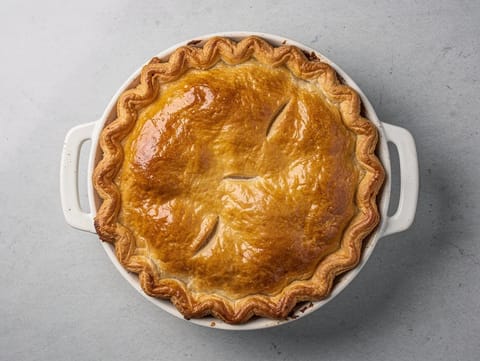
Chicken and Leek Pie
Chicken and leek pie with creamy sauce and puff pastry
Make this recipe easier next time
AdvertisementThese tools help you get better results with less effort.
KitchenAid Stainless Steel Mixing Bowls
- Non-slip base
- Stainless steel
- Not microwave safe
Pyrex Glass Mixing Bowls with Lids
- Microwave safe
- BPA-free lids
- Glass is heavier
OXO Good Grips Stainless Mixing Bowl Set
- Non-slip base
- Comfort grip
- Higher price
Enjoy cooking with JustRecipes?
Add JustRecipes as one of your preferred Google sources to discover our recipes more easily across Google Search.
Add JustRecipes to GoogleEvery recipe on JustRecipes follows the same structured editorial process. Learn how recipes are created, validated, translated, illustrated, and continuously improved across the platform. How we create recipes.
