
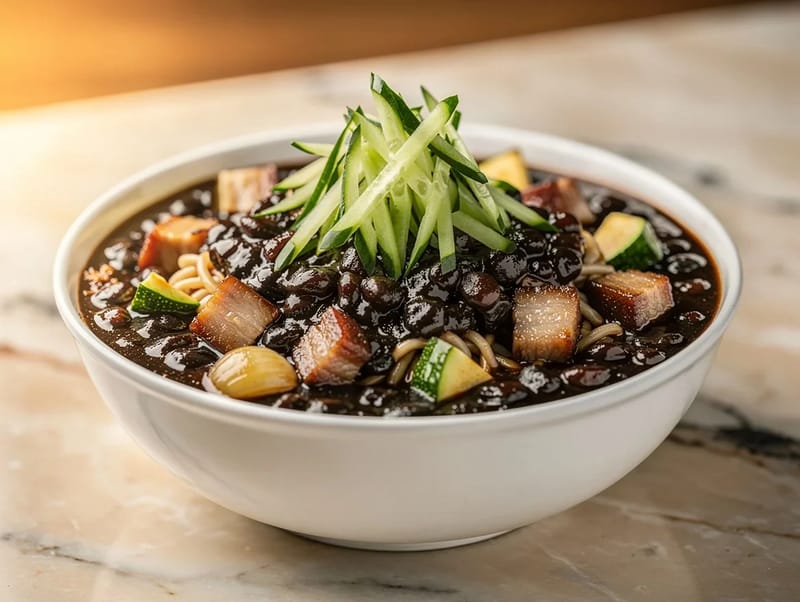
Jajangmyeon (Korean-Chinese Black Bean Noodles)
Why this recipe works
- Deeper black bean flavour: Briefly frying the black bean sauce before simmering softens its raw edge and gives the finished sauce a rounder, more savoury character.
- Rich but balanced: Rendered pork belly adds body and richness, while onion, courgette and cucumber keep the dish from feeling too heavy.
- Glossy sauce, chewy noodles: Cornflour thickens the sauce so it coats the noodles properly, creating the signature slick, spoonable texture.
Get the most out of this recipe
Ingredient notes
- About the black bean sauce: Korean jajang-style black bean sauce is salty, dark and concentrated, so it benefits from a short stir-fry before liquid is added.
- Choose chewy wheat noodles: Fresh or stir-fry wheat noodles give the best springy texture; cook them only until just tender so they can stand up to the thick sauce.
- Cut ingredients evenly: Small, even pieces of pork and vegetables help the sauce cook quickly and make it easier to mix through the noodles.
Common mistakes
- Letting the sauce get too thick: The sauce should be glossy and spoonable, not stiff. Add a splash of water if it tightens too much before serving.
- Adding cornflour without mixing: Whisk the cornflour with water first, then stir it into the simmering sauce to avoid lumps.
- Overcooking the noodles: Drain the noodles while they are still chewy and just tender, as soft noodles can become heavy under the sauce.
Ingredient swaps
- Use minced pork: Minced pork cooks more quickly than pork belly and gives a lighter, looser sauce.
- Swap in aubergine: Aubergine can replace courgette for a softer vegetable base that absorbs the black bean sauce well.
- Adjust the sesame finish: Toasted sesame oil adds nuttiness at the end; use a neutral oil instead if you prefer a milder finish.
Make-ahead tips
- Keep sauce and noodles separate: Store the black bean sauce separately from the noodles so the noodles do not absorb too much liquid.
- Reheat gently: Warm the sauce over low heat with a splash of water until piping hot, then serve with freshly cooked noodles.
- Freeze the sauce only: The sauce freezes well, but noodles are best cooked fresh for the right chewy texture.
Equipment you'll need
Ingredients
Instructions
- Julienne the cucumber and set it aside for serving. Dice the onion and courgette into small, even pieces, and finely chop the garlic. Cut the pork belly into small cubes.
- Heat the vegetable oil in a wok or large frying pan over medium-high heat. Add the pork belly and stir-fry for 5 to 7 minutes until lightly browned and some fat has rendered. Add the onion and cook for 3 minutes until starting to soften.
- Stir in the courgette and garlic and cook for 2 minutes until fragrant. Add the black bean sauce and stir-fry for 1 to 2 minutes to toast it slightly and deepen the flavour. Stir in the granulated sugar.
- Pour in 400 ml water and bring to a gentle simmer. Cook for 8 to 10 minutes, stirring occasionally, until the vegetables are tender and the sauce looks glossy. If it reduces too quickly, add a splash more water.
- Whisk the cornflour with the remaining 50 ml water until smooth. Stir it into the simmering sauce and cook for 1 to 2 minutes until thickened enough to coat the back of a spoon. Turn off the heat and stir in the toasted sesame oil.
- Bring a large pot of water to the boil and cook the stir-fry wheat noodle according to the packet instructions until chewy and just tender. Drain well, then divide between bowls. Spoon the black bean sauce over the noodles and finish with the cucumber.
Recipe notes
Tips
- Toast the black bean sauce briefly in the pan before adding water; it takes away any raw edge and makes the sauce taste deeper.
- Keep the simmer gentle after thickening with cornflour, and stir constantly for the first minute to prevent lumps.
- If serving to young children, cut the pork belly smaller and keep the sauce slightly looser by adding a splash of water before serving.
Substitutions
- Replace pork belly with minced pork for a lighter, quicker-cooking sauce.
- Replace courgette with aubergine for a more traditional, softer-textured vegetable base.
- Replace toasted sesame oil with vegetable oil if you prefer a milder finish.
Storage
- Refrigerate up to 3 days
- Store the sauce separately from the noodles in an airtight container. Reheat the sauce in a saucepan over low heat with a splash of water until piping hot; cook fresh noodles to serve. Freeze the sauce only for up to 2 months, then defrost overnight in the fridge before reheating.
Ratings & reviews
Liked this recipe? Share your feedback to support our cooking community.
Tried this recipe?
Choose 1–5 stars. A comment is optional.
Stay inspired
Discover new recipes, seasonal favourites and cooking inspiration every day. Follow JustRecipes on Pinterest and Spillt.
Recipe overview
- Servings: 3 servings
- Total time: 50min (40min active)
- Difficulty: Medium
- Cuisine: Korean
-
Allergens:
Gluten Sesame Soybeans Wheat
Plan your meals and get a complete grocery list automatically.
Add to meal plannerEquipment you'll need
Got ingredients left?
Find recipes using ingredients from this recipe or what you already have at home.
Find recipes with these ingredients →
Pad Thai
Thai rice noodles stir-fried with tamarind, egg and peanuts
Thai Peanut Rice Noodle Bowl with Cucumber and Carrot
Rice noodles in chilli peanut sauce with crunchy veg
Cao Lau (Hoi An Noodles)
Hoi An noodles with roast pork, herbs, sprouts and fried shallots.
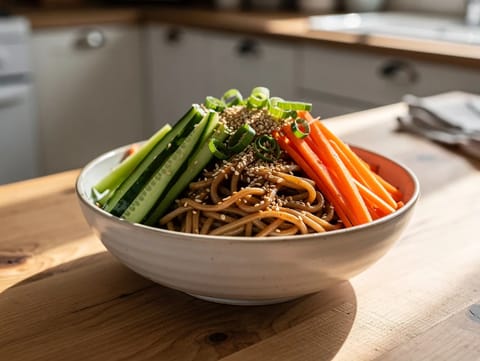
Sesame Noodle Bowl with Cucumber and Carrot
Sesame noodles with cucumber, carrot and spring onion
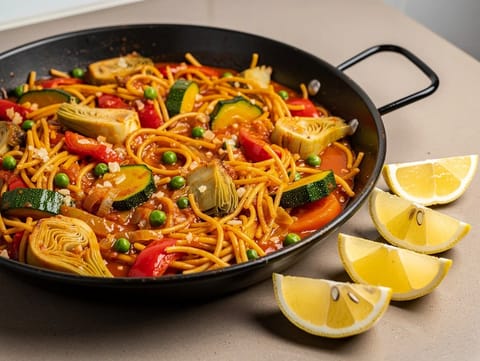
Fideuà de Verduras (Spanish Vegetable Noodle Paella)
Spanish vegetable fideuà with saffron noodles and tender vegetables
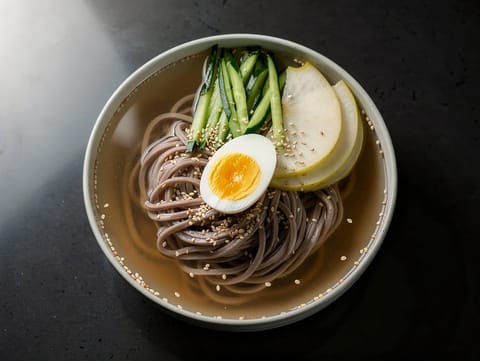
Naengmyeon (Cold Buckwheat Noodles)
Cold buckwheat noodles served in tangy chilled beef broth
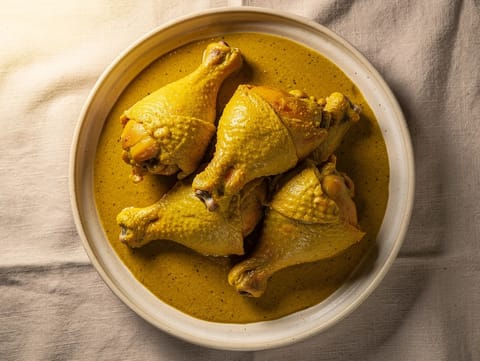
Pollo en Mole Amarillo (Chicken in Yellow Mole Sauce)
Chicken simmered in smooth yellow mole sauce with toasted spices
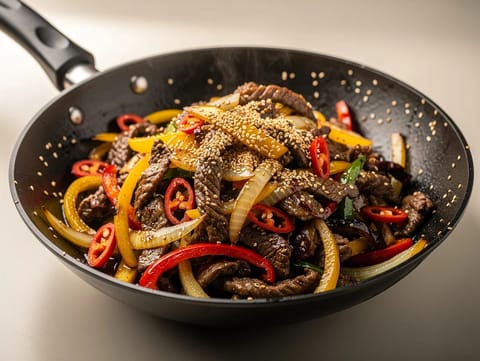
Cumin Lamb Stir-Fry (Xinjiang-Style Spiced Lamb)
Xinjiang-style cumin lamb stir-fry with chillies, onion and peppers
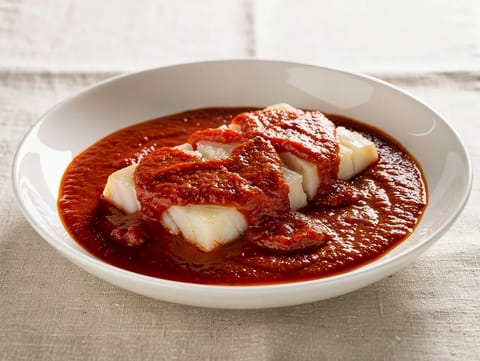
Bacalao a la Vizcaína (Salt Cod in Biscayan Sauce)
Salt cod simmered in Biscayan red pepper and tomato sauce
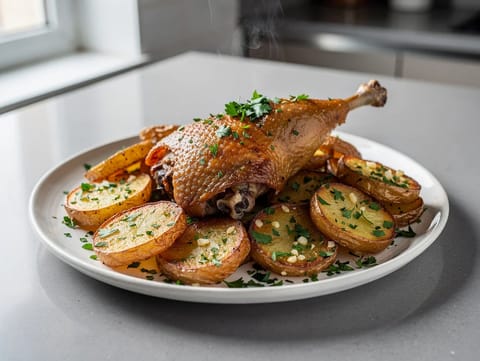
Duck Confit with Sarladaise Potatoes
Crisp duck confit with duck fat potatoes, garlic and parsley
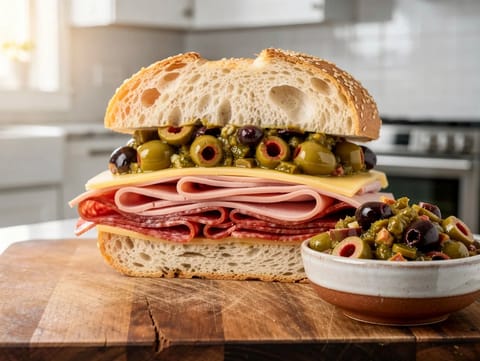
Muffuletta Sandwich with Olive Salad
Pressed sandwich layered with olive salad, meats and provolone
Crispy Roast Pork Belly (Cantonese Siu Yuk)
Roast pork belly with tender meat and crisp, puffed crackling
Kimchi Jjigae (Korean Kimchi and Pork Belly Stew with Tofu)
Korean kimchi and pork belly stew finished with soft tofu
Stir-Fried Beef with Broccoli and Oyster Sauce
Quick beef and broccoli stir-fry with oyster sauce
Shrimp with Lobster Sauce (Cantonese Prawns in Savoury Sauce)
Prawns in silky lobster sauce with minced pork and egg ribbons
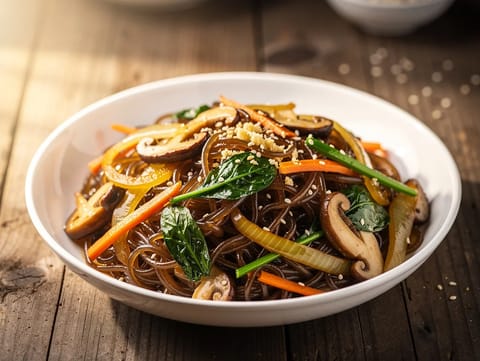
Japchae (Glass Noodles with Vegetables)
Glass noodles tossed with stir-fried vegetables and sesame dressing

Bandeja Paisa (Colombian Platter with Beans, Rice and Pork Belly)
Colombian platter with beans, rice, pork belly, egg and plantain
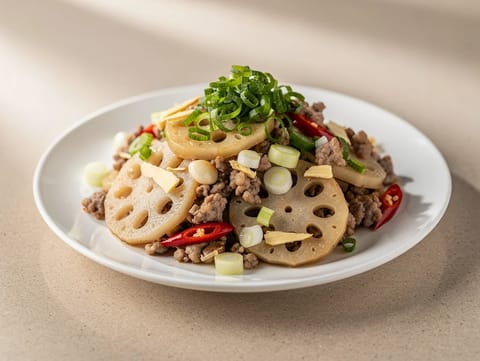
Stir-Fried Lotus Root with Pork and Chilli
Crisp lotus root stir-fry with minced pork and chilli
You might also like

Enchiladas Verdes (Green Chicken Enchiladas)
Baked chicken enchiladas with tomatillo salsa verde and queso fresco
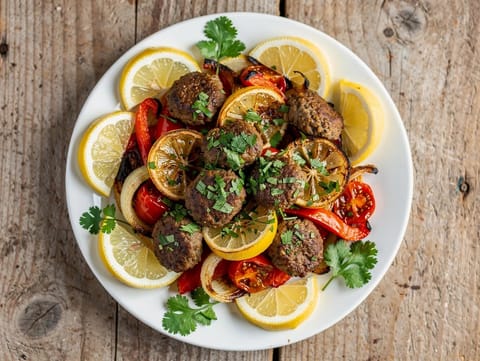
Moroccan Lamb Kofta Traybake with Peppers and Tomatoes
Traybaked lamb kofta with peppers, tomatoes, lemon and coriander
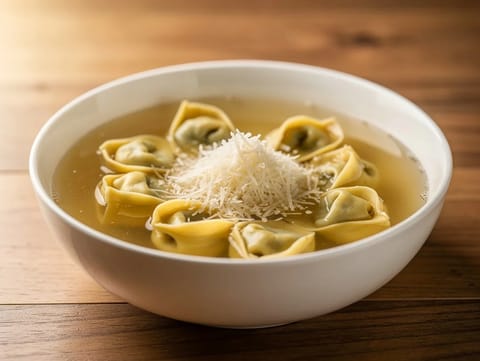
Tortellini in Brodo (Tortellini in Clear Chicken and Beef Broth)
Tortellini served in clear chicken and beef broth
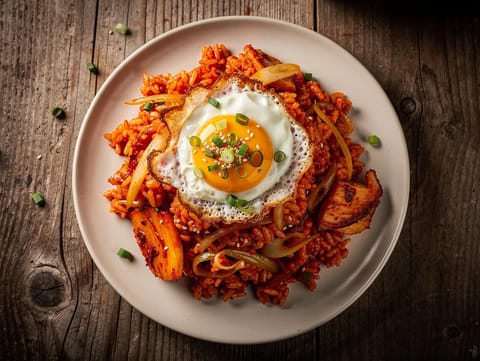
Kimchi Bokkeumbap (Korean Kimchi Fried Rice)
Kimchi fried rice with gochujang, fried egg and gim
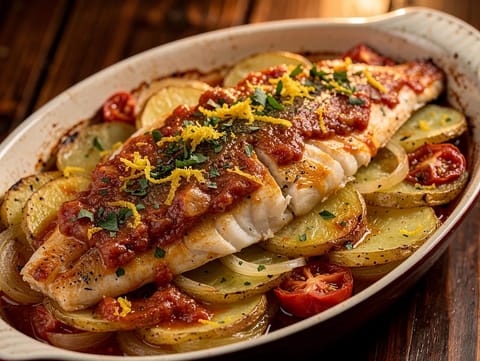
Psari Plaki (Baked Fish with Tomato and Potatoes)
Greek baked fish with tomato sauce, potatoes and onions
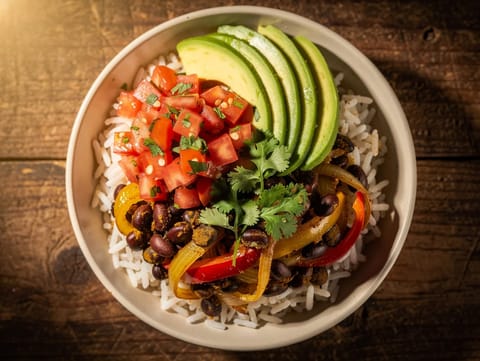
Latin Veggie Burrito Bowl
Veggie burrito bowl with black beans, peppers and avocado
Make this recipe easier next time
AdvertisementThese tools help you get better results with less effort.
Misen 8-Inch Chef Knife
- AUS-10 steel
- Balanced design
- Less traditional feel
Titanium & PP Double-Sided Cutting Board
- Separate surfaces for meat and produce
- Resists odors and stains
- Harder on knife edges than wood or plastic
All-Clad HA1 Hard Anodized Nonstick Fry Pan 12 Inch
- Top-tier build quality
- Excellent heat distribution
- Expensive
OXO Good Grips 2-Piece Cutting Board Set
- Two useful sizes with reversible cutting surfaces
- Dishwasher safe and easy to clean
- Plastic surfaces will show knife marks over time
Enjoy cooking with JustRecipes?
Add JustRecipes as one of your preferred Google sources to discover our recipes more easily across Google Search.
Add JustRecipes to GoogleEvery recipe on JustRecipes follows the same structured editorial process. Learn how recipes are created, validated, translated, illustrated, and continuously improved across the platform. How we create recipes.
