
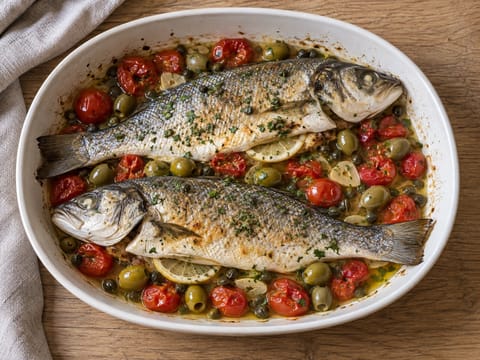
Branzino al Forno con Olive e Capperi (Baked Sea Bass with Olives and Capers)
Baked sea bass with olives, capers and cherry tomatoes
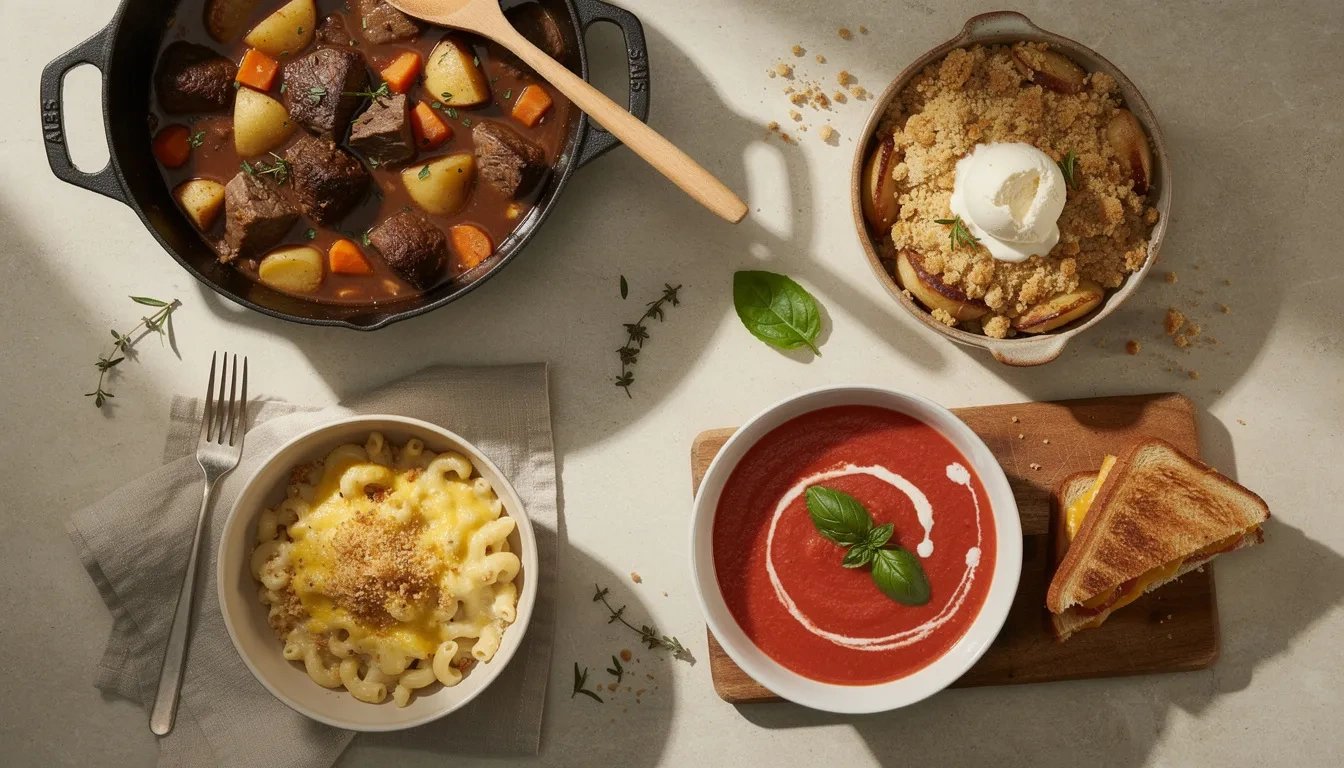
Omega-3-rich meals are built around ingredients naturally high in omega-3 fats, most often oily fish, certain seeds and nuts, and some plant oils. In practice, that changes how a dish cooks and tastes: fish can dry out if overcooked, seeds can thicken sauces, and nutty oils are best used where their flavour stays noticeable. Use this collection when you want the omega-3 ingredient to feel like part of the meal, not an afterthought, and when you need options that still suit a mixed household table.
This theme is about choosing a main ingredient that brings omega-3s, then cooking in a way that protects its texture and flavour. With oily fish, the key is gentle heat and careful timing: salmon, mackerel, sardines and trout are forgiving in flavour but can turn chalky if pushed too far. With plant sources such as chia, flax and walnuts, the omega-3 ingredient often behaves like a thickener or garnish, so it matters where you add it. Chia can set a pudding-like texture; ground flax can make batters and sauces feel more cohesive; walnuts bring crunch but soften if left in a wet dressing. “Omega-3-rich” does not automatically mean low-fat, low-calorie, or strongly fish-forward. Many dishes balance richness with acidity, herbs, or crisp vegetables.
Baked sea bass with olives, capers and cherry tomatoes
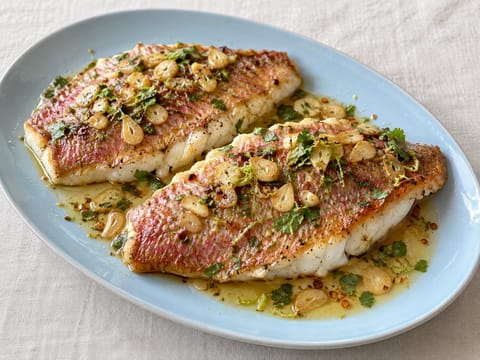
Pan-fried red snapper topped with garlic butter and lime
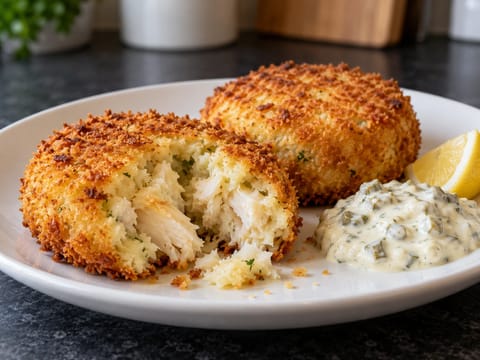
Crisp smoked haddock fishcakes with tartare sauce
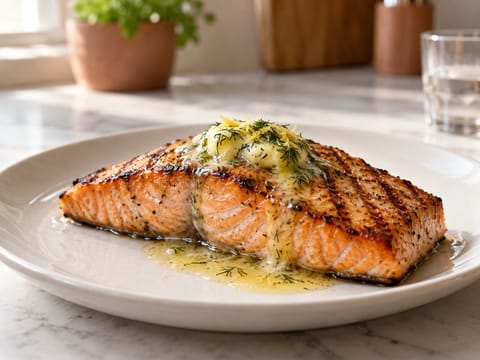
Grilled salmon topped with lemon and dill butter
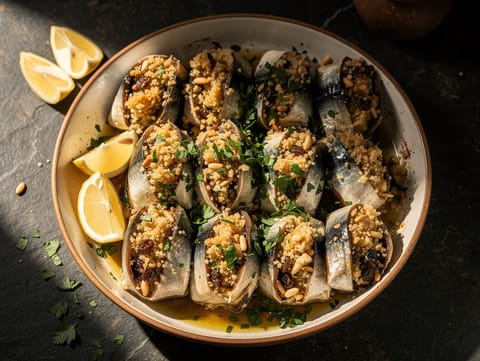
Baked stuffed sardines with breadcrumbs, pine nuts and raisins
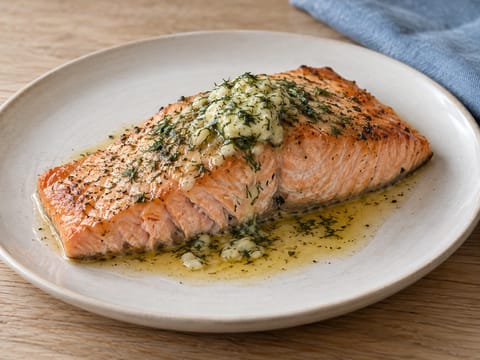
Baked salmon with lemon, dill and melted butter
If you want the omega-3 ingredient to carry the meal, look for fish-centred dishes where the fish is baked, grilled, poached, or folded through at the end. These tend to benefit from a bright element such as citrus, vinegar, tomatoes, or yoghurt to keep the plate from feeling heavy. For a plant-led approach, choose recipes where seeds or nuts are integrated rather than sprinkled: chia stirred into breakfast-style bowls, flax in pancakes or flatbreads, or walnuts in sauces and pestos. These options can be easier to portion for different appetites. Blended meals combine smaller amounts of fish with plant sources, for example fish with a seed-based topping or a walnut-herb relish. That route is useful when you want the flavour to stay gentle while still keeping the theme clear.
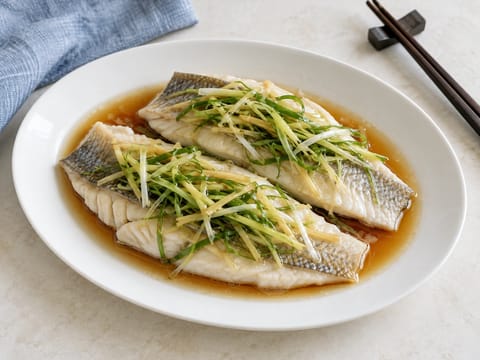
Chinese steamed sea bass with ginger, spring onion and soy
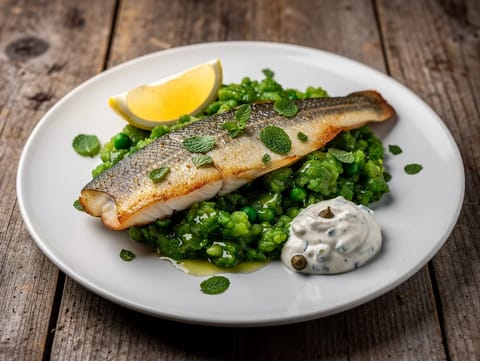
Crisp pan-fried sea bass with crushed peas and tartare sauce
Baked salmon with lemon, dill and melted butter
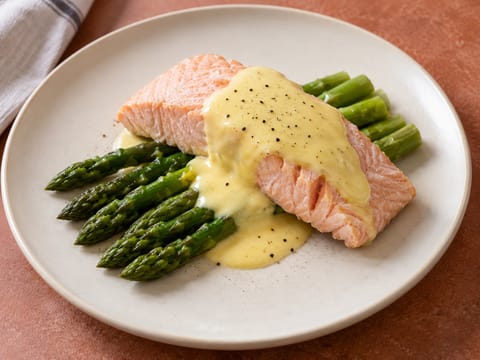
Poached salmon with asparagus and classic hollandaise
Crisp smoked haddock fishcakes with tartare sauce
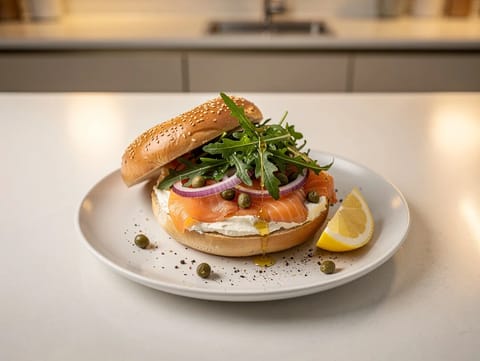
Toasted bagel with smoked salmon, cream cheese and capers
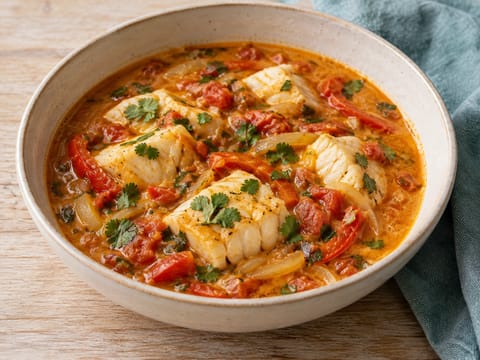
Coconut fish stew with tomatoes, peppers and lime
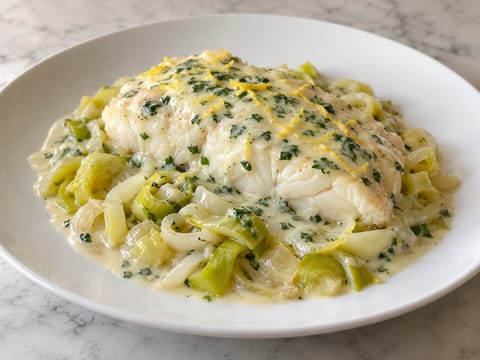
Flaky baked cod with warm parsley sauce and buttered leeks
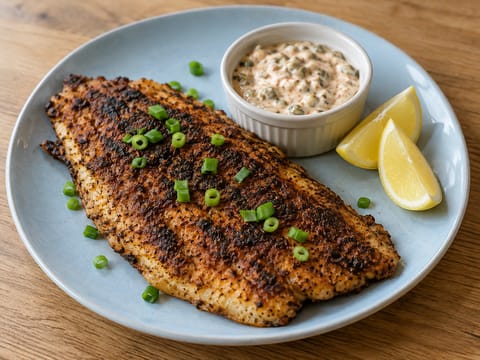
Blackened catfish served with a quick lemony remoulade
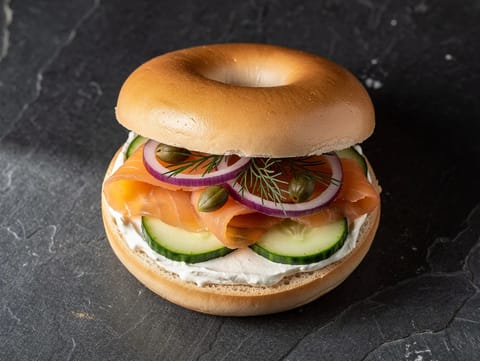
Smoked salmon bagel with lemon cream cheese, cucumber and capers
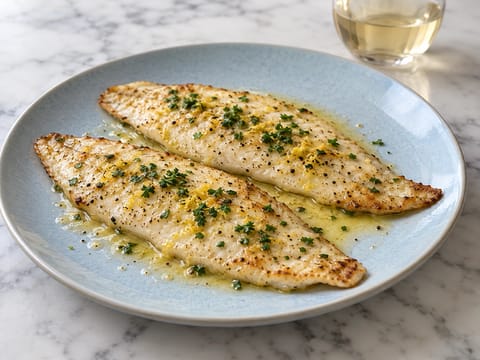
Grilled Dover sole finished with lemon butter and parsley
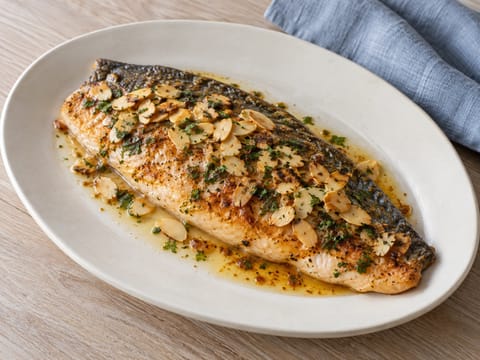
Pan-fried trout with brown butter, almonds and lemon
If you are balancing this theme with specific eating patterns, browsing by Diet can help you find meals that fit your household’s preferences without assuming every omega-3 source works for everyone. Cooking time is also a practical companion: oily fish and seed-thickened dishes often reward the right timing, whether you need something quick or have time for a slower cook.
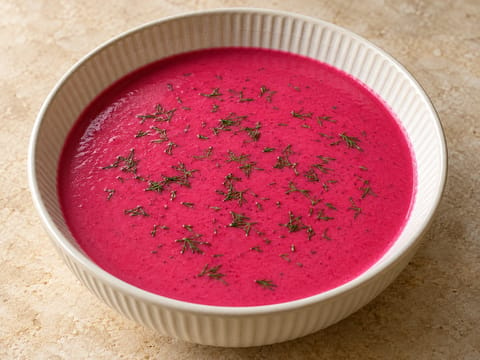
Smooth beetroot soup finished with sour cream

Chilled lemonade scented with orange blossom water
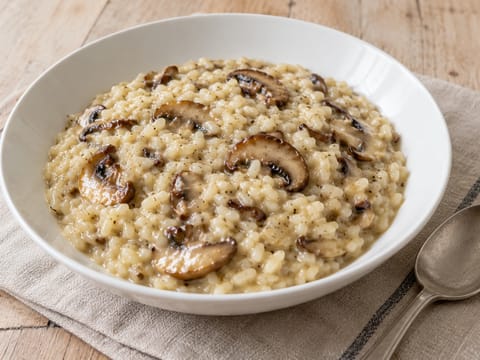
Creamy risotto with mushrooms, Parmesan and truffle oil
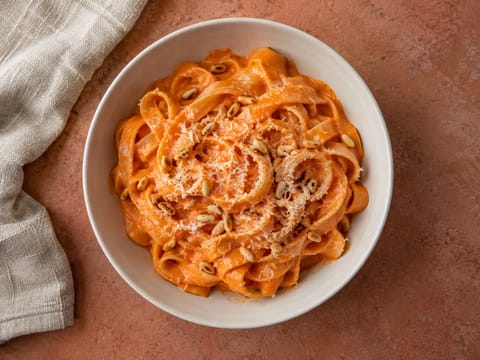
Pasta in roasted red pepper and mascarpone sauce with pine nuts
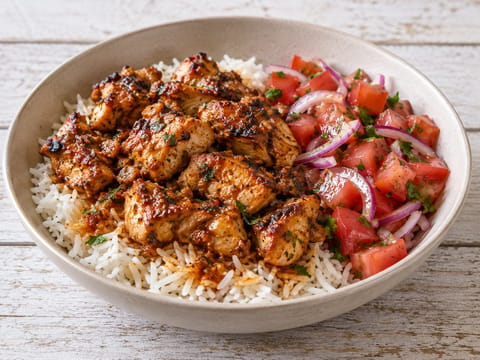
Piri-piri chicken with rice and tomato and red onion salad
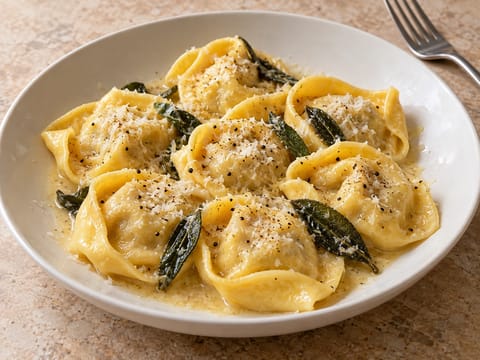
Tortelloni tossed with butter, sage and Parmesan

Iced espresso with sweetened almond drink
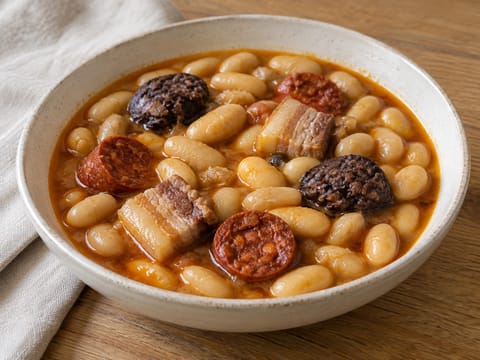
Asturian white bean stew with chorizo, morcilla and pork belly
Most commonly, oily fish (such as salmon, mackerel, sardines and trout) and plant sources like chia, flaxseed and walnuts. Some recipes also use oils that contribute omega-3s, but the overall dish still depends on how much is used and where it shows up.
Not necessarily. Many dishes use acidity, herbs, spices, or a charred or roasted finish to keep fish flavours clean and rounded. Plant-based sources tend to read as nutty or gently earthy rather than fish-forward.
Overcooking. Oily fish can go from juicy to dry and crumbly quickly, especially with high heat or thin fillets. Recipes that add a sauce, a topping, or a brief finishing step often help protect moisture.
It depends on the seed and the form. Whole seeds may stay as a garnish, while ground flax and chia can noticeably thicken liquids. If you want minimal texture change, look for recipes that use seeds as a topping added just before serving.
No. Fish, nuts and seeds are common allergens, and suitability depends on the specific ingredients and brands used. Always check the recipe and labels, and consider cross-contact if you are cooking for someone with an allergy.
Pair richer omega-3 ingredients with contrast: something crisp (salads, slaws), something acidic (lemon, pickles, tomatoes), or a bitter note (leafy greens). Those elements make the richness feel intentional rather than heavy.
Start by deciding whether you want the omega-3 source to be the centrepiece or a supporting element, then choose recipes that cook it gently and season it with contrast. Once you have a favourite approach, it becomes easy to repeat with different flavours and sides.
