
Bibimbap (Mixed Rice with Vegetables)
Why this recipe works
- Distinct textures: Each vegetable is cooked separately, keeping the sprouts crisp, mushrooms tender, spinach soft and carrot bright rather than blending everything into one texture.
- Balanced sauce: Rice vinegar sharpens the gochujang and soy sauce, cutting through the richness of the egg and sesame oil.
- Easy to adjust: The sauce is served on the side, so each bowl can be mixed to taste for more heat, acidity or savoury depth.
Get the most out of this recipe
Adjust the heat
- For a gentler bowl: Use less gochujang and add it gradually at the table, balancing with extra sesame oil or a little more vinegar if needed.
- For more heat: Increase the gochujang in the sauce and loosen it with a small splash of water if it becomes too thick to drizzle.
- Keep it rounded: Taste the sauce before serving; soy sauce adds savouriness, vinegar adds brightness and sesame oil softens the chilli heat.
Authenticity notes
- Separate toppings matter: Bibimbap is recognisable for its individually prepared toppings, which are arranged over rice before being mixed together just before eating.
- Gochujang is central: The fermented Korean chilli paste gives the bowl its signature savoury heat and slight sweetness; it is more complex than a plain chilli sauce.
- Flexible by nature: Vegetables can vary, but the balance of warm rice, seasoned toppings, sesame, egg and chilli paste keeps the dish clearly within the bibimbap style.
Ingredient notes
- Use short-grain rice: Short-grain rice gives the bowl the slightly sticky texture needed to hold the sauce and toppings together once mixed.
- Cut vegetables evenly: Fine, even matchsticks cook quickly and make the finished bowl easier to mix and eat.
- Toastiness adds depth: Toasted sesame oil and roasted sesame seeds bring a nutty finish that rounds out the vegetables and gochujang sauce.
Make-ahead tips
- Store components apart: Keep the rice and cooked vegetables in separate airtight containers so the vegetables do not soften the rice.
- Reheat gently: Warm the rice with a small splash of water until piping hot, then briefly reheat the vegetables in a frying pan.
- Fry the egg fresh: Assemble the bowls after reheating and cook the eggs just before serving for the best contrast of crisp edges and soft yolk.
Equipment you'll need
Ingredients
Rice
Vegetables
Sauce and finishing
Instructions
- Rinse the rice in cold water until the water runs mostly clear. Tip into a saucepan with the water, bring to the boil, then cover and cook on the lowest heat for 12 minutes. Remove from the heat and leave, covered, for 10 minutes to finish steaming.
- Meanwhile, peel the carrot and cut into fine matchsticks. Cut the courgette into matchsticks, and slice the shiitake mushrooms. Finely grate the garlic.
- Mix the gochujang, light soy sauce, rice vinegar and 1 tbsp toasted sesame oil in a small bowl until smooth. Stir in 1 tsp roasted sesame seeds and set aside. Taste and adjust with a little more vinegar if you like it sharper.
- Heat 1 tsp vegetable oil in a large frying pan over a medium-high heat. Add the spinach with a pinch of fine sea salt and cook for 1 to 2 minutes until just wilted, then tip onto a plate. Wipe the pan if it is wet.
- Add 1 tsp vegetable oil to the pan and sauté the carrot with a pinch of fine sea salt for 2 to 3 minutes until slightly softened but still bright. Tip onto the plate beside the spinach. Add another 1 tsp vegetable oil and sauté the courgette for 2 to 3 minutes until just tender.
- Add the remaining 1 tsp vegetable oil and cook the shiitake mushrooms with half the garlic, a pinch of fine sea salt and the black pepper for 3 to 4 minutes until glossy and tender. Tip out, then add the mung bean sprouts with the remaining garlic and cook for 1 to 2 minutes until hot and still crisp. Return everything to the plate in separate piles.
- Wipe the pan clean and heat 1 tbsp vegetable oil over a medium heat. Fry the eggs for 2 to 3 minutes until the whites are set and the edges are crisp, keeping the yolks runny. Season lightly with a pinch of fine sea salt.
- Divide the warm rice between two bowls and arrange the vegetables on top in separate sections. Drizzle each bowl with the remaining 1 tbsp toasted sesame oil and sprinkle with the remaining 1 tsp roasted sesame seeds. Top each bowl with a fried egg and serve with the gochujang sauce for mixing at the table.
Recipe notes
Tips
- Keep the vegetables in separate piles as you cook them so they stay distinct in flavour and texture when you build the bowls.
- For a hotter sauce, add an extra 1 tsp gochujang and loosen with a splash of water if needed.
- If serving anyone vulnerable to foodborne illness, cook the eggs until the yolks are fully set.
Substitutions
- Replace rice vinegar with white wine vinegar for a slightly fruitier acidity.
- Replace light soy sauce with dark soy sauce for a deeper colour and a slightly sweeter, richer flavour.
Storage
- Refrigerate up to 2 days
- Store rice and vegetables in separate airtight containers in the fridge. Reheat the rice in a saucepan with a splash of water over a low heat until piping hot, and warm the vegetables briefly in a frying pan; fry fresh eggs to serve.
Ratings & reviews
Liked this recipe? Share your feedback to support our cooking community.
Tried this recipe?
Choose 1–5 stars. A comment is optional.
Stay inspired
Discover new recipes, seasonal favourites and cooking inspiration every day. Follow JustRecipes on Pinterest and Spillt.
Recipe overview
- Servings: 2 bowls
- Total time: 50min (40min active)
- Difficulty: Medium
- Cuisine: Korean
-
Allergens:
Eggs Sesame Soybeans
Plan your meals and get a complete grocery list automatically.
Add to meal plannerEquipment you'll need
Got ingredients left?
Find recipes using ingredients from this recipe or what you already have at home.
Find recipes with these ingredients →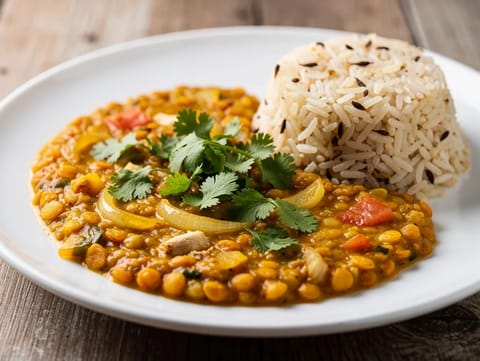
Tarka Dal with Jeera Rice
Red lentil tarka dal served with fragrant cumin jeera rice
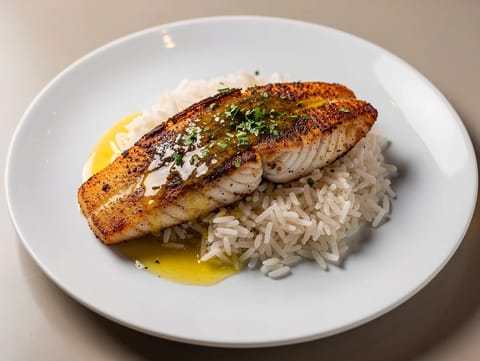
Blackened Catfish with Lemon Butter
Blackened fish with lemon butter and steamed rice
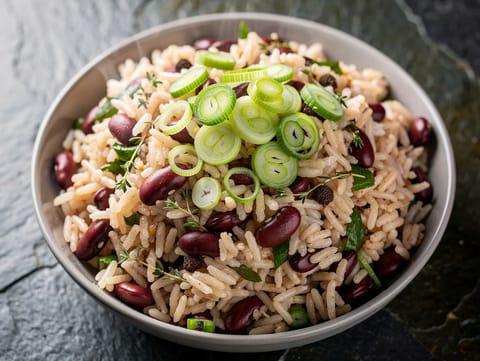
Rice and Peas (Jamaican Coconut Rice with Kidney Beans)
Coconut rice with kidney beans, thyme and allspice
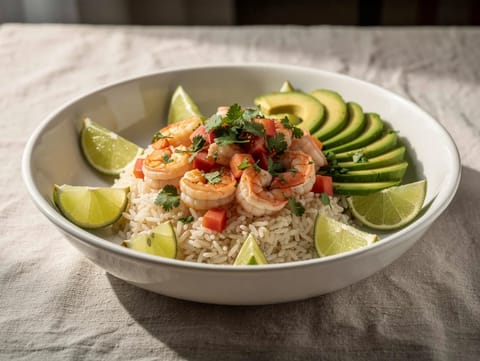
Latin-Style Prawn Rice Bowl with Avocado and Lime
Prawn and rice bowl with avocado, tomato and lime
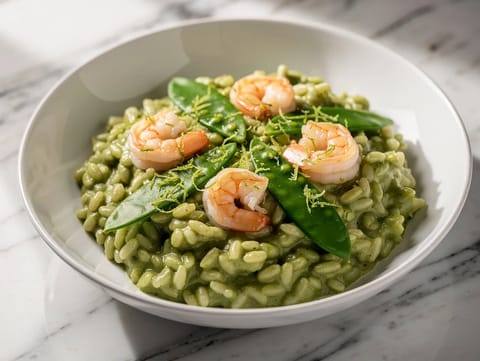
Thai-Inspired Coconut Green Curry Risotto
Coconut green curry risotto with prawns and mange tout
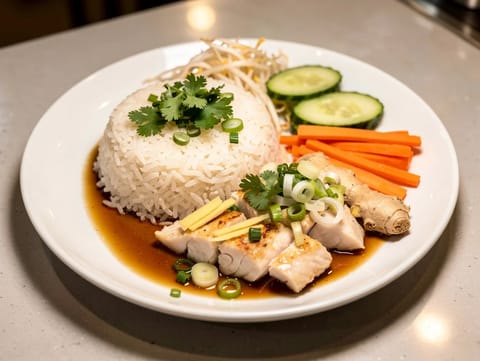
Vietnamese Ginger Fish Bowl with Jasmine Rice
Jasmine rice bowl with ginger fish and lime dressing
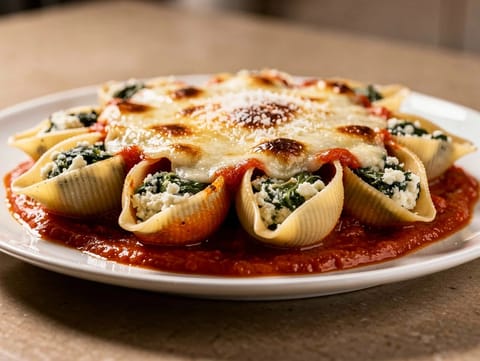
Conchiglie Ripiene (Stuffed Pasta Shells with Ricotta and Spinach)
Stuffed pasta shells baked with ricotta, spinach and melted mozzarella
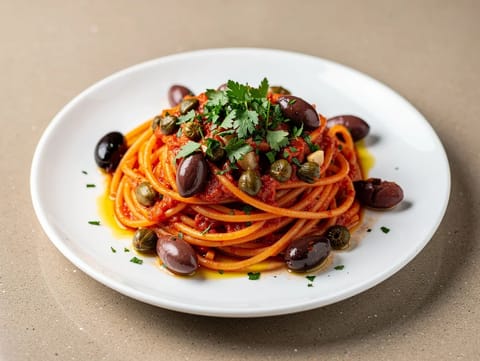
Pasta alla Puttanesca (Spaghetti with Tomato, Anchovies and Olives)
Spaghetti with anchovies, capers and olives
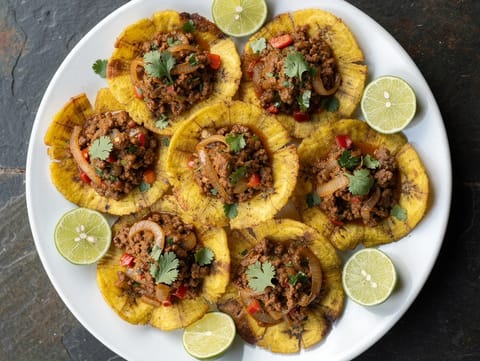
Tostones con Carne Molida (Fried Plantains with Spiced Minced Beef)
Twice-fried plantains topped with spiced minced beef
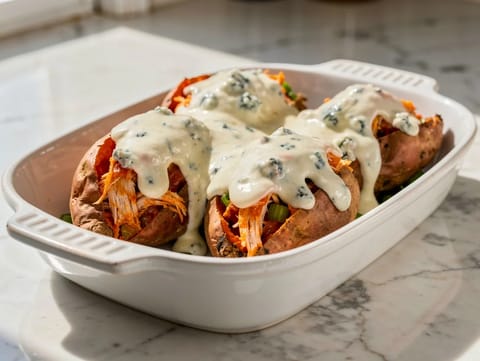
Buffalo Chicken Stuffed Sweet Potatoes
Sweet potatoes stuffed with Buffalo chicken and blue cheese yoghurt
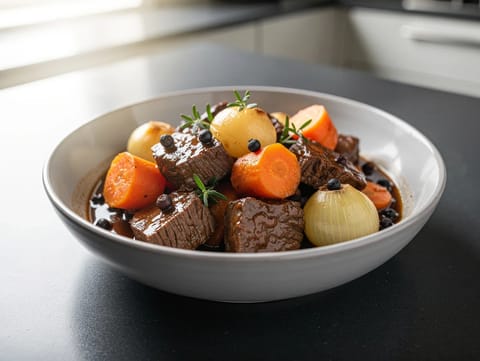
Venison Casserole with Juniper and Root Vegetables
Slow-braised venison with juniper and root vegetables
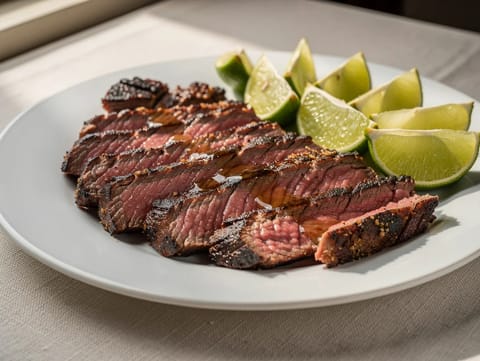
Churrasco (High-Heat Grilled Beef with Coarse Salt and Lime)
High-heat grilled beef with coarse salt and lime
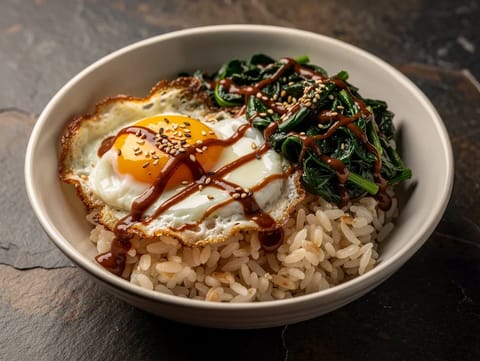
Korean Breakfast Bowl (Egg, Rice, Greens)
Rice bowl with sautéed spinach, fried egg and gochujang dressing
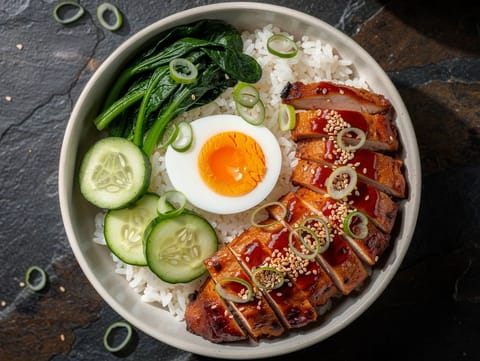
Japanese-Korean Fusion Rice Bowl with Gochujang Chicken and Egg
Rice bowl with gochujang chicken, cucumber, spinach and egg
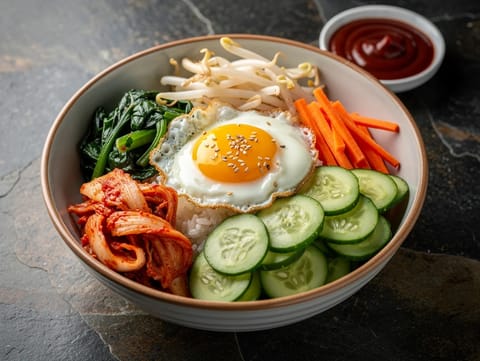
Modern Bibimbap Bowl
Bibimbap bowl with rice, vegetables, fried egg and gochujang
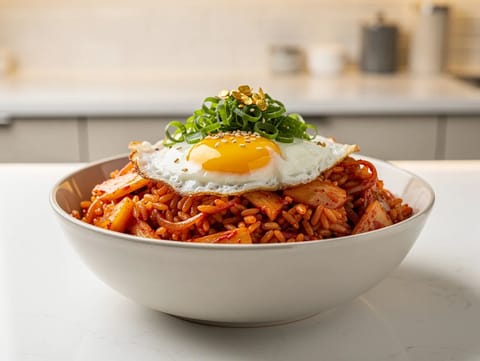
Modern Kimchi Fried Rice Bowl
Kimchi fried rice topped with a fried egg and sesame
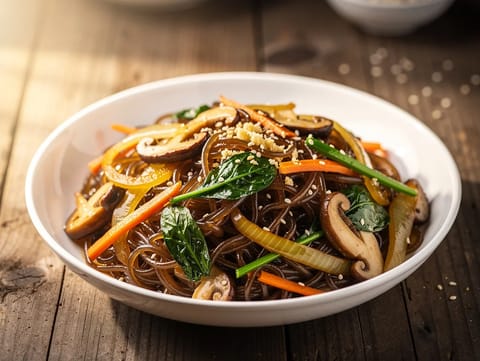
Japchae (Glass Noodles with Vegetables)
Glass noodles tossed with stir-fried vegetables and sesame dressing
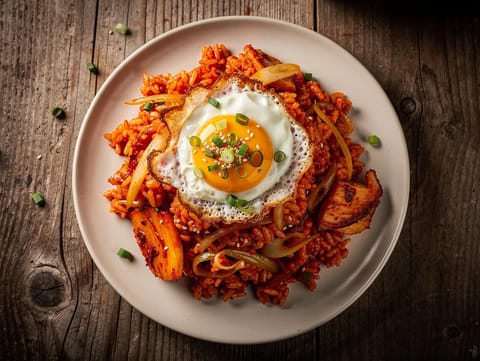
Kimchi Bokkeumbap (Korean Kimchi Fried Rice)
Kimchi fried rice with gochujang, fried egg and gim
You might also like
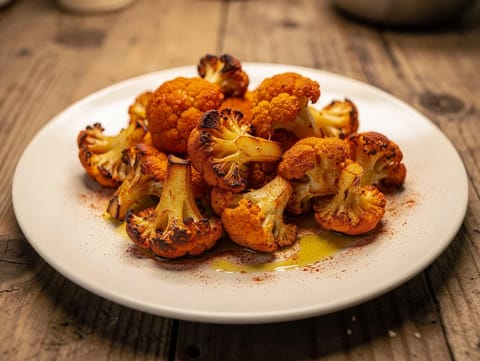
Paprika Roasted Cauliflower
Roasted cauliflower with sweet paprika, garlic and sherry vinegar
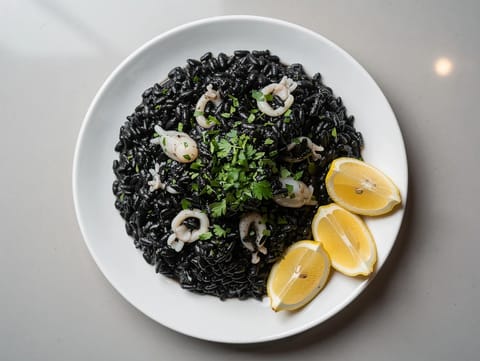
Arroz Negro (Squid Ink Rice)
Spanish squid ink rice cooked with squid and fish stock

Air Fryer Crispy Chilli Chicken
Crispy air fryer chilli chicken tossed in a glossy sauce.

Air Fryer Chicken Tenders
Golden air-fried chicken tenders with a seasoned breadcrumb coating.
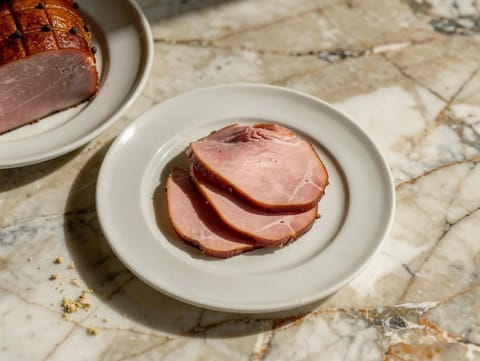
Glazed Ham with Brown Sugar, Dijon Mustard and Honey
Baked ham finished with a brown sugar and Dijon glaze

Crema Catalana (Catalan Custard with Caramelised Sugar)
Chilled cinnamon and citrus custard with a caramelised sugar crust
Make this recipe easier next time
AdvertisementThese tools help you get better results with less effort.
Misen Carbon Steel Nonstick Frying Pan 12 Inch
- Works on all stovetops
- Naturally nonstick when seasoned
- Requires seasoning and maintenance
Pyrex Glass Mixing Bowls with Lids
- Microwave safe
- BPA-free lids
- Glass is heavier
All-Clad Tri-Ply Stainless Steel Saucepan
- Excellent heat control
- Premium build quality
- Expensive
KitchenAid Stainless Steel Mixing Bowls
- Non-slip base
- Stainless steel
- Not microwave safe
Enjoy cooking with JustRecipes?
Add JustRecipes as one of your preferred Google sources to discover our recipes more easily across Google Search.
Add JustRecipes to GoogleEvery recipe on JustRecipes follows the same structured editorial process. Learn how recipes are created, validated, translated, illustrated, and continuously improved across the platform. How we create recipes.
