
Spinach Fatayer (Triangular Filled Pastries)
Why this recipe works
- Soft yeasted pastry: Kneading and proofing give the dough enough strength to hold the filling while baking into a tender, puffed pastry.
- Bright, tangy filling: Lemon juice, lemon zest and sumac cut through the richness of the olive oil dough and keep the spinach filling lively.
- Simple ingredients, fuller flavour: Softened onion adds sweetness and depth before the spinach is seasoned with salt, citrus and sumac.
- Good warm or cool: The pastries hold their shape well and can be served warm, at room temperature, or packed for later.
Get the most out of this recipe
Authenticity notes
- Middle Eastern pastry style: Fatayer are small filled savoury pastries found across Middle Eastern and Levantine cooking, with the triangular shape especially associated with spinach fillings.
- Sumac brings the signature tang: Sumac gives the filling its distinctive sour, berry-like acidity. Paprika can add colour, but it will not bring the same sharpness.
Timing notes
- Let the dough guide the timing: The dough should look doubled and feel lighter before shaping; a cool kitchen may slow the rise.
- Allow a short pause after baking: A brief cooling time helps the filling settle and makes the pastries easier to handle without losing their warmth.
Common mistakes
- Not draining the spinach enough: Press out as much liquid as possible after wilting; excess moisture makes the pastry damp and can loosen the seams.
- Using a wet filling: The filling should be moist but not runny. If it looks watery, drain it again before shaping.
- Baking before the oven is hot: Wait until the oven reaches 220°C (430°F) so the dough puffs quickly and the pastries colour properly.
Make-ahead tips
- Make the filling in advance: The spinach filling can be cooked ahead and chilled once cool. Bring it close to room temperature before shaping so it is easier to work with.
- Freeze baked fatayer: Cool the pastries completely, then freeze in an airtight container for up to 2 months.
- Reheat in the oven: Reheat on a baking tray at 180°C (355°F) until piping hot throughout, using a few extra minutes if reheating from frozen.
Equipment you'll need
Ingredients
Dough
Filling and shaping
Instructions
- Put the plain flour, instant yeast and fine sea salt in a mixing bowl and whisk to combine. Add the olive oil and lukewarm water, then mix to a shaggy dough.
- Knead the dough on a lightly oiled surface for 8 to 10 minutes until smooth and elastic. Return to the bowl, cover, and leave in a warm place until doubled in size.
- Meanwhile, finely dice the yellow onion. Warm the olive oil in a saucepan over medium heat, add the onion and a pinch of the fine sea salt, then cook for 8 to 10 minutes until soft and lightly golden.
- Add the spinach to the pan in batches and cook just until wilted. Tip into a sieve-strainer and press firmly to remove as much liquid as possible, then return to the pan off the heat.
- Finely grate the lemon zest, then squeeze the juice. Stir the zest and 2 tbsp lemon juice into the spinach mixture with the sumac and remaining fine sea salt, then taste and adjust with more lemon juice if you like it sharper.
- Heat the oven to 220°C (430°F) and line a baking-tray. Punch down the dough, then divide it into 10 equal pieces and roll each into a ball.
- On a lightly floured surface, roll each ball into a round about 10 to 12 cm wide. Spoon a little filling into the centre, then pinch two sides together and bring up the third side to form a triangle, sealing the seams well.
- Arrange the fatayer on the tray and lightly brush the tops with a little olive oil. Bake for 12 to 15 minutes until puffed and golden, then cool for 5 minutes before serving warm or at room temperature.
Recipe notes
Tips
- Squeeze the spinach very well after wilting; a drier filling helps the seams seal and prevents soggy pastry.
- If serving to pregnant people, young children, older adults, or anyone immunocompromised, make sure the pastries are baked until piping hot throughout.
Substitutions
- Replace half of the Plain flour with Whole wheat flour for a nuttier dough.
- Replace Lemon with Lime for a slightly different, sharper tang.
- Replace Sumac with Ground paprika for colour and mild warmth, though it will be less tangy.
Storage
- Refrigerate up to 3 days
- Cool completely, then refrigerate in an airtight container. Reheat on a baking-tray in a 180°C (355°F) oven for 8 to 10 minutes until piping hot; freeze for up to 2 months and reheat from frozen for 12 to 15 minutes.
Ratings & reviews
Liked this recipe? Share your feedback to support our cooking community.
Tried this recipe?
Choose 1–5 stars. A comment is optional.
Stay inspired
Discover new recipes, seasonal favourites and cooking inspiration every day. Follow JustRecipes on Pinterest and Spillt.
Recipe overview
- Servings: 4 servings
- Yield: spinach fatayer
- Total time: 1h 55min (40min active)
- Difficulty: Medium
- Cuisine: Middle Eastern
-
Allergens:
Gluten Wheat
Plan your meals and get a complete grocery list automatically.
Add to meal plannerEquipment you'll need
Got ingredients left?
Find recipes using ingredients from this recipe or what you already have at home.
Find recipes with these ingredients →
Loukoumades (Greek Honey Doughnuts with Walnuts and Cinnamon)
Greek honey doughnuts topped with walnuts and cinnamon

Saumon en Croûte (Salmon Wellington with Spinach)
Salmon Wellington with spinach and crème fraîche in puff pastry

Vol-au-Vent (Chicken and Mushroom Puff Pastry Cases)
Puff pastry cases filled with creamy chicken and mushrooms

Cornetto al Burro (Italian Butter Croissant)
Italian butter cornetti baked golden and finished with icing sugar

Scones with Clotted Cream
Warm scones served with clotted cream and strawberry jam

Gougères with Ham and Gruyère
Choux pastry gougères with Gruyère and diced ham

Tyropitakia (Greek Cheese Mini-Pastries with Filo)
Greek filo triangles filled with feta, ricotta and dill

Thong Yod (Golden Drops in Sugar Syrup)
Egg yolk drops cooked and soaked in sugar syrup

Rosquillas (Spanish Lemon and Aniseed Doughnuts)
Spanish lemon and aniseed ring doughnuts with a sugar coating

New Year’s Waffles (Gaufres du Nouvel An)
Yeast-raised Belgian waffles dusted with icing sugar

Bánh Bao (Vietnamese Steamed Pork Buns)
Fluffy steamed buns filled with minced pork and hard-boiled egg

Stafidopsomo (Greek Raisin Bread)
Greek raisin bread with olive oil and cinnamon

Focaccia Dolce alla Genovese (Sweet Genoese Focaccia)
Sweet olive oil focaccia topped with sugar and lemon zest

Sfiha (Open-Faced Lamb Pies)
Open-faced pies topped with lemony spiced minced lamb
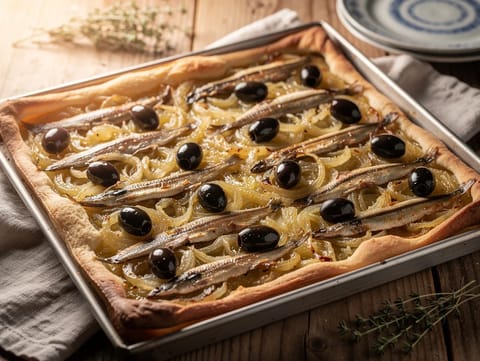
Pissaladière (Niçoise Onion Tart with Anchovies and Olives)
Niçoise onion tart topped with anchovies and black olives

Tarte Flambée (French Flatbread with Onion and Lardons)
Crisp tarte flambée with onion, lardons and crème fraîche

Palestinian Musakhan (Roasted Chicken with Sumac and Onions)
Roast chicken on flatbread with sumac onions and pine nuts

Maultaschen (Swabian Dumplings)
Swabian pasta dumplings filled with beef and spinach in broth
You might also like

Peanut Butter Fudge
No-bake peanut butter fudge set in the fridge

Chicken with Lemon, Garlic and Potatoes
Roasted chicken and potatoes with lemon, garlic and oregano

Memelas with Black Beans, Queso Fresco and Salsa Verde
Griddled masa memelas topped with black beans and salsa verde

Shakshuka with Feta
Eggs poached in tomato and pepper sauce with feta
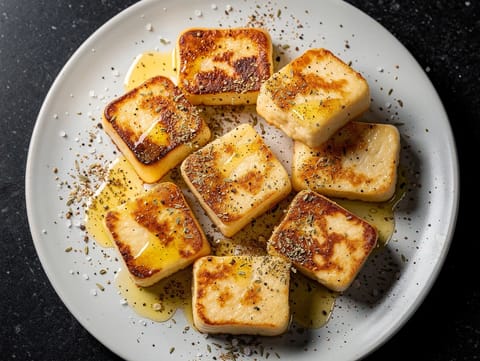
Air Fryer Halloumi
Golden air-fried halloumi finished with lemon and oregano.

Rajma Chawal (Kidney Bean Curry with Rice)
Kidney bean curry in tomato masala served with basmati rice
Make this recipe easier next time
AdvertisementThese tools help you get better results with less effort.
KitchenAid Stainless Steel Mixing Bowls
- Non-slip base
- Stainless steel
- Not microwave safe
T-fal Specialty Nonstick Handy Pot with Glass Lid 3 Quart
- Easy food release
- Dishwasher safe
- Not induction compatible
OXO Good Grips Stainless Mixing Bowl Set
- Non-slip base
- Comfort grip
- Higher price
WMF Mini Saucepan 16 cm with Lid
- High-quality stainless steel
- Even heat distribution
- Higher price point
Enjoy cooking with JustRecipes?
Add JustRecipes as one of your preferred Google sources to discover our recipes more easily across Google Search.
Add JustRecipes to GoogleEvery recipe on JustRecipes follows the same structured editorial process. Learn how recipes are created, validated, translated, illustrated, and continuously improved across the platform. How we create recipes.
