
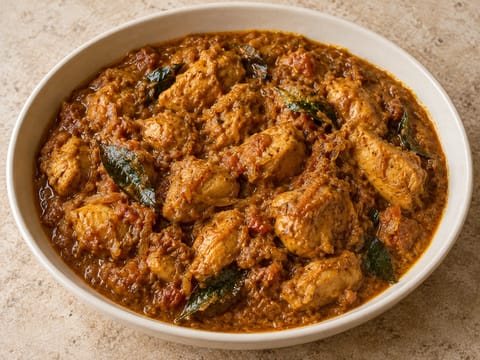
Chicken Chettinad (South Indian Spiced Curry)
South Indian chicken curry with coconut milk and curry leaves
Spice-forward cooking is not only about heat. It can mean the slow warmth of dried chillies, the bright bite of fresh ones, or the deeper perfume of toasted spices that lingers even when the dish is not particularly hot. This collection is for meals where spice is a defining feature rather than a background note.
Use it when you want food that tastes vivid and layered. A small shift in technique, such as blooming spices in oil or adding a fresh chilli garnish at the end, can change the whole character of a dish.
Spice can show up as chilli heat, but also as aromatic complexity from spices such as cumin, coriander, pepper, cloves, cinnamon or cardamom. Many recipes combine both: a base of toasted spices for depth, then chilli for lift and warmth. The key practical point is that spices behave differently depending on when they are added. Brief frying in fat can round out harsh edges and carry flavour through a dish, while adding spices late keeps them sharper and more volatile.
This theme does not imply a single cuisine. Spice-led dishes appear across many food cultures, and the same spice can read differently depending on the supporting ingredients, acidity, sweetness and cooking time.
South Indian chicken curry with coconut milk and curry leaves
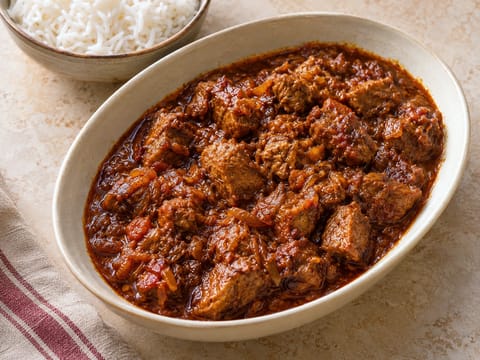
Goan-style pork vindaloo with vinegar, garlic and spices
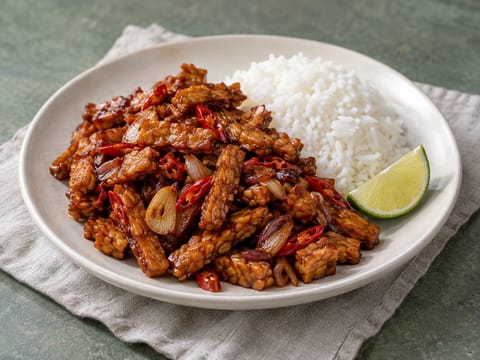
Sweet and spicy tempeh stir-fry in a sticky soy glaze
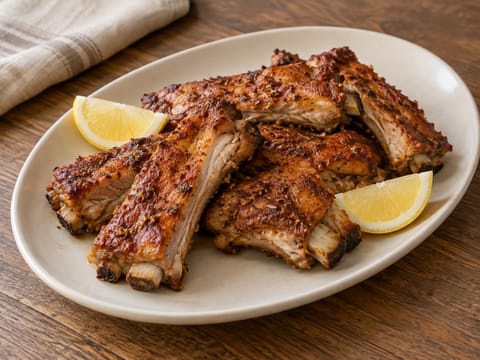
Baked pork ribs with smoked paprika and garlic
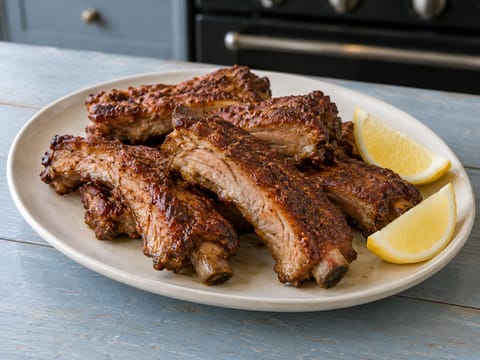
Slow-roasted pork ribs with a smoky-sweet dry rub
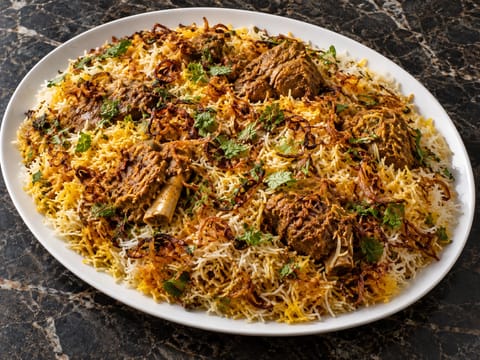
Hyderabadi-style lamb biryani layered with rice and fried onions
For clean, immediate heat, look for recipes that use fresh chillies, chilli paste, or a finishing oil. These often taste brightest when paired with citrus, vinegar, yoghurt, or herbs, because acidity and dairy can soften the edges without muting flavour.
For deeper warmth, dried chillies and ground spices tend to give a steadier, more integrated heat, especially in soups, stews and braises. If you want maximum aroma, choose recipes that start by toasting whole spices or frying a spice mixture in oil. That step can make a dish smell intensely spiced even if you keep the chilli level moderate. If you are cooking for a mixed table, favour recipes where heat is added at the end, so it is easier to serve with optional extras.
South Indian chicken curry with coconut milk and curry leaves
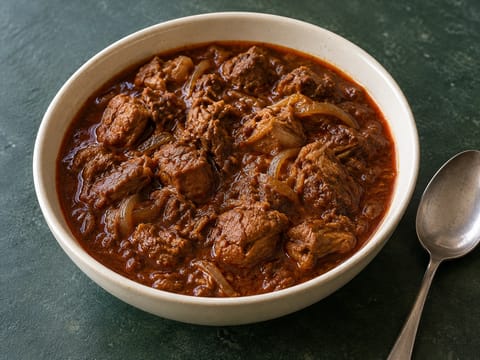
Goan pork stew simmered in a tangy vinegar masala
Slow-roasted pork ribs with a smoky-sweet dry rub
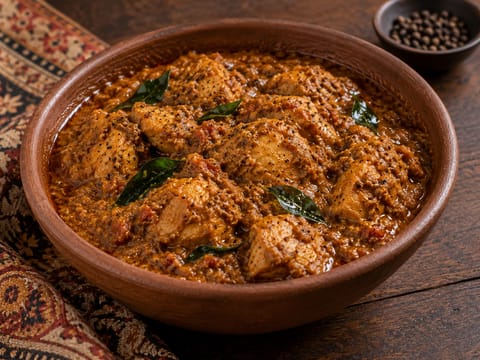
South Indian pepper chicken curry with coconut
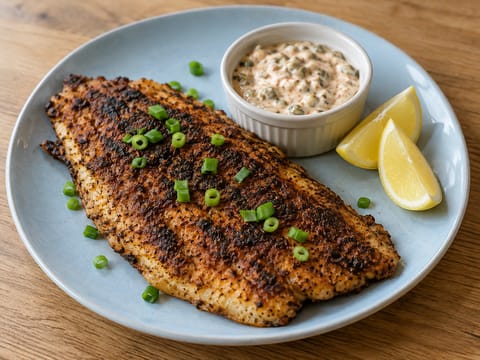
Blackened catfish served with a quick lemony remoulade
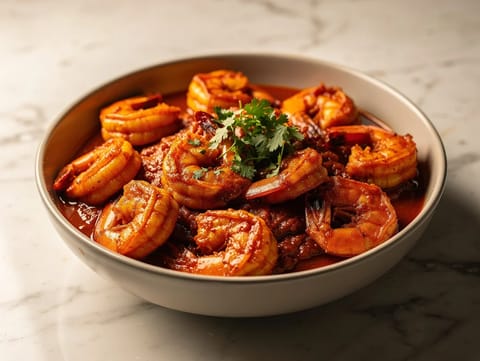
Tangy Goan-style prawn curry with vinegar and chilli
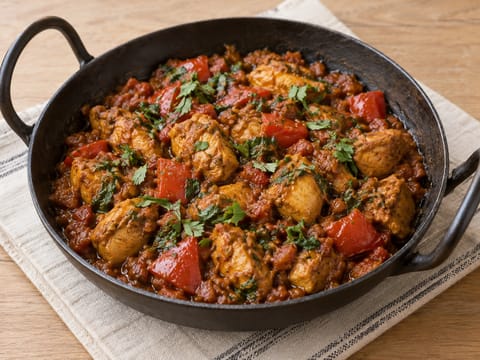
Kadai chicken with peppers in a spiced tomato masala
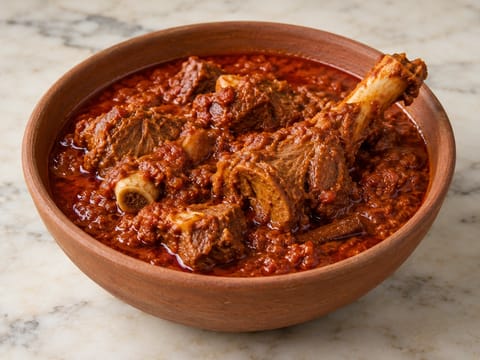
Fiery Rajasthani mutton curry with dried red chillies and yoghurt
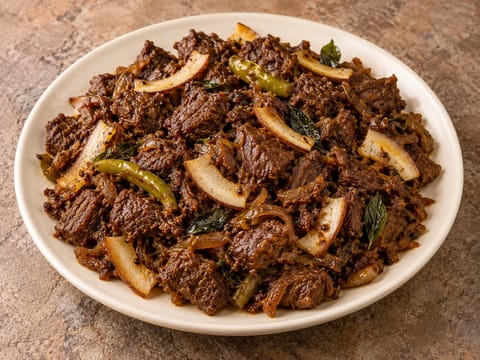
Dry-style Kerala beef fry with curry leaves and coconut
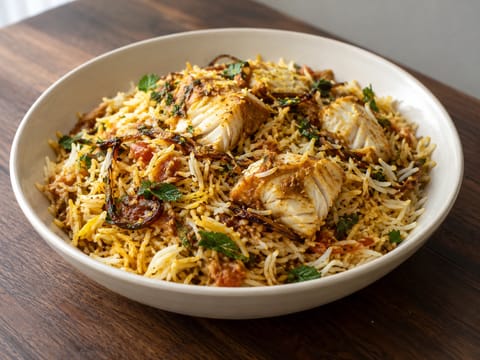
Layered Malabar fish biryani with herbs, lemon and yoghurt
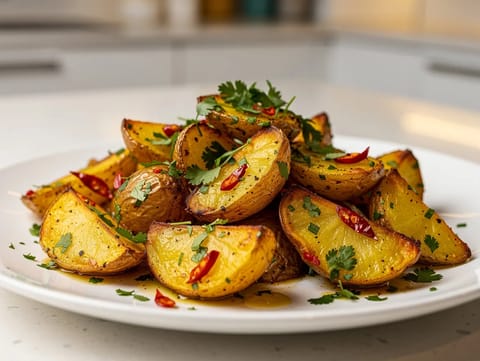
Crisp batata harra potatoes with garlic, chilli and lemon
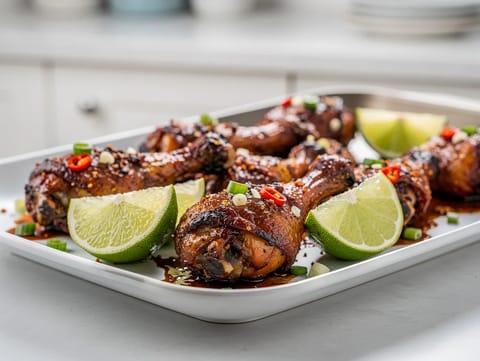
Sticky roasted jerk chicken drumsticks with five-spice and lime
Spice-heavy mains are easier to live with when the rest of the plate offers contrast. A cooling element can be as simple as yoghurt, cucumber, avocado, coconut, or a mild slaw. Starchy sides, such as rice, flatbreads, noodles or potatoes, also help spread heat and make the meal feel complete.
If you are serving guests, consider how heat builds over a meal. Starting with something aromatic rather than fiery keeps palates fresh, then you can bring in hotter dishes later. Desserts and drinks can matter too: very sweet finishes can make chilli feel sharper, while citrusy or creamy endings tend to calm things down.
Cooking time is a helpful companion here because spice behaves differently in quick stir-fries than in long-simmered dishes, where flavours meld and mellow. Diet categories can also help you find spice-led recipes that suit your table, especially when dishes rely on dairy, nuts, or particular proteins for balance.
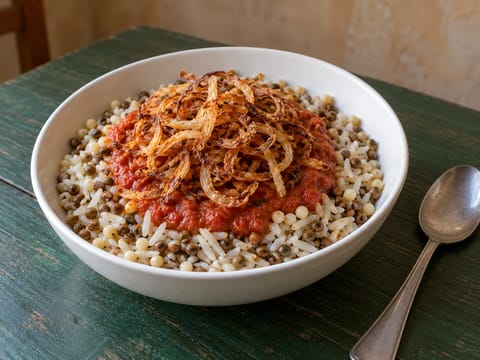
Koshari with lentils, rice, pasta and crispy onions
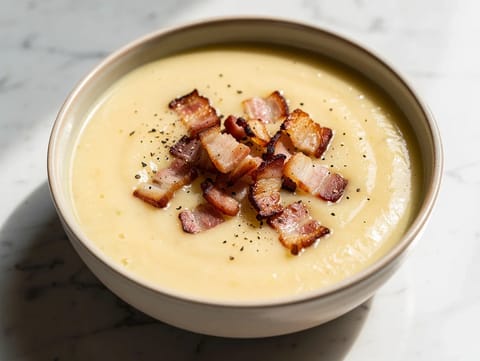
Creamy potato soup topped with crisp bacon
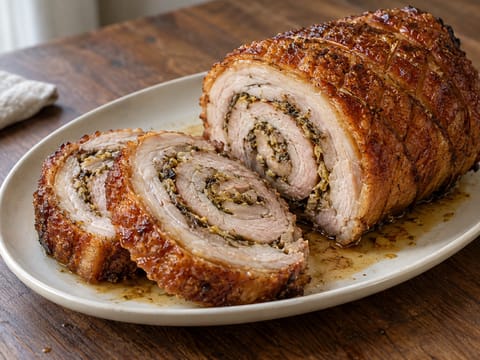
Rolled pork belly roasted with fennel, garlic and rosemary
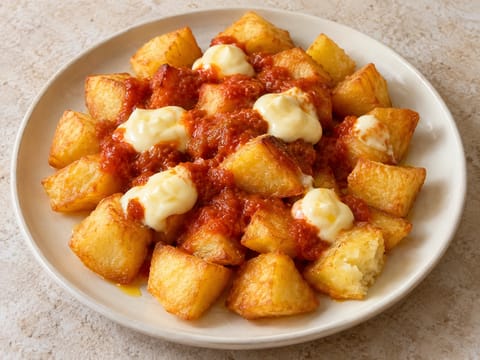
Crispy potatoes with smoky bravas sauce and alioli
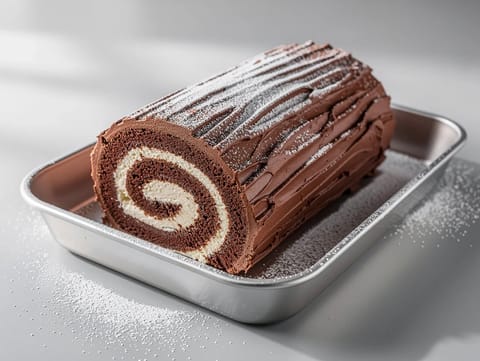
Cocoa Swiss roll filled with whipped cream and buttercream
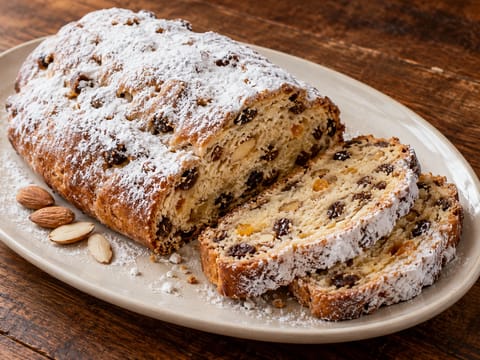
German Christmas fruit bread with raisins, peel and almonds
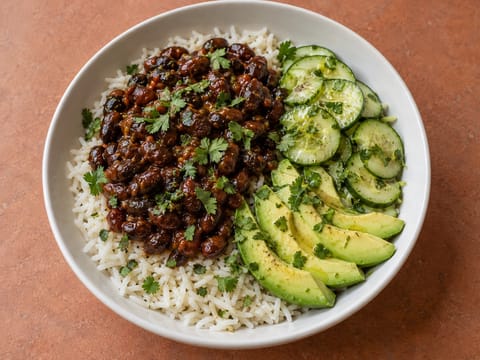
Vegan rice bowl with gochujang black beans and pickled cucumber
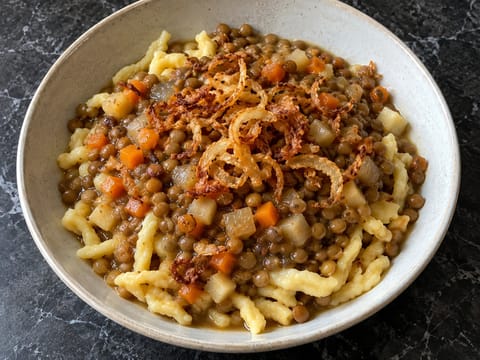
Sour lentil stew served over Spätzle with fried onions
Not necessarily. Spicy usually refers to chilli heat, while spiced can mean aromatic seasoning without much heat. Many spice-forward dishes use both.
Keep the aromatic spices in the base, then adjust chilli separately. Using chilli as a garnish, oil, or side condiment makes it easier to serve different preferences.
Certain spices and fresh chillies can become more pronounced as they sit, while acidity can fade. Rebalancing with a squeeze of citrus, a splash of vinegar, or a little dairy often helps.
Toast or fry spices early when you want a rounded, integrated flavour. Add spices later when you want a brighter, more top-note aroma.
Something cooling or mild, plus a starchy side. The goal is contrast in temperature, texture and seasoning so the heat feels deliberate rather than relentless.
Start by choosing the kind of spice you want, aromatic, fiery, or both, then build in one cooling or starchy counterpoint. That simple structure keeps bold flavours clear and the meal well balanced.
