
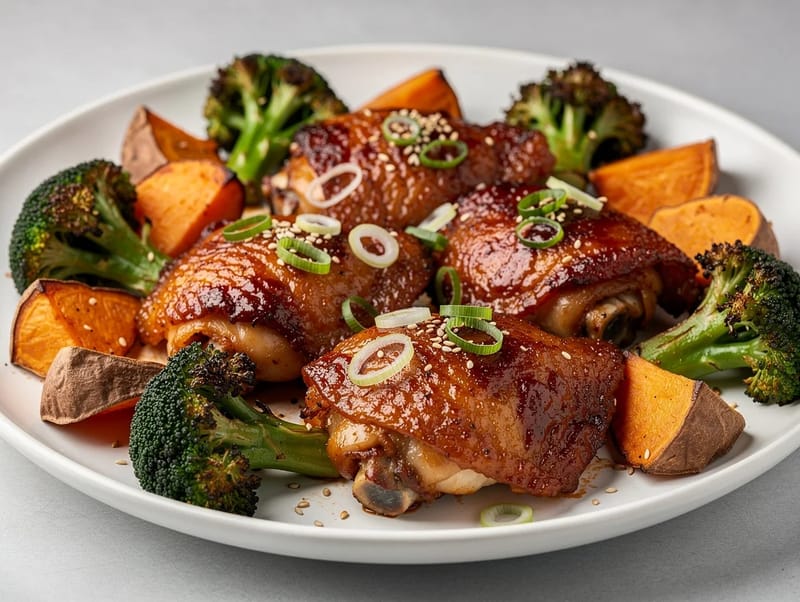
Gochujang Roasted Chicken Traybake
Why this recipe works
- Sticky, savoury glaze: Gochujang, soy sauce, honey, garlic and toasted sesame oil create a balanced coating with heat, sweetness and deep umami.
- Efficient traybake method: The sweet potato gets a head start before the chicken and broccoli are added, so each component finishes tender and well roasted.
- Good contrast: Crisp-edged broccoli, soft sweet potato, sticky chicken skin and a final scatter of sesame seeds keep the traybake varied.
Get the most out of this recipe
Adjust the heat
- For less heat: Reduce the gochujang slightly and balance the glaze with a little extra honey or sesame oil.
- For more heat: Add extra gochujang to the glaze, keeping the soy and honey in balance so it stays glossy rather than harsh.
Texture tips
- Encourage browning: Keep the chicken skin-side up and avoid crowding the tray so the skin can brown instead of steaming.
- Add broccoli late: Broccoli only needs the final part of roasting; adding it too early can make it soft before the chicken is finished.
Ingredient notes
- Use bone-in, skin-on thighs: They stay juicy during high-heat roasting and give the glaze enough time to become sticky and browned.
- Cauliflower works well: Cauliflower can replace broccoli, but keep the florets a similar size so they roast evenly.
Make-ahead tips
- Prep ahead: The sweet potato can be chopped and the glaze mixed in advance, then kept refrigerated until cooking.
- Reheat thoroughly: Reheat leftovers on a baking tray at 200°C (390°F) until piping hot, which helps the chicken and vegetables regain some roasted texture.
Equipment you'll need
Ingredients
Instructions
- Heat the oven to 220°C (430°F). Peel the sweet potato and cut into 2.5 cm chunks, then put on a large baking tray.
- Drizzle the sweet potato with 1 tbsp of the toasted sesame oil and toss to coat. Roast for 15 minutes to give it a head start.
- Meanwhile, stir together the gochujang, soy sauce, honey, remaining 1 tbsp toasted sesame oil, and the garlic (finely grated or crushed). Add the chicken thighs and turn to coat well.
- Remove the tray from the oven and nestle the chicken thighs among the sweet potato, skin-side up. Spoon any remaining glaze over the chicken and roast for 20 minutes, until the skin is starting to brown.
- Cut the broccoli into florets and add to the tray, turning it through the pan juices. Roast for 10 to 12 minutes more, until the broccoli is tender with charred edges and the chicken is cooked through.
- Thinly slice the spring onion. Scatter over the traybake with the roasted sesame seeds, then serve straight away with the sticky juices spooned over.
Recipe notes
Tips
- For the stickiest finish, spoon the glaze from the tray over the chicken once or twice during the final 10 minutes of roasting.
- If you are serving anyone vulnerable, make sure the chicken is piping hot throughout with no pink at the bone and the juices run clear.
Substitutions
- Replace honey with maple syrup for a slightly deeper sweetness.
- Replace broccoli with cauliflower florets; add them at the same time and roast until tender and lightly browned.
Storage
- Refrigerate up to 3 days
- Cool, then refrigerate in an airtight container. Reheat on a baking tray at 200°C (390°F) for 12 to 15 minutes until piping hot, or microwave in short bursts, turning the chicken halfway through.
Ratings & reviews
Liked this recipe? Share your feedback to support our cooking community.
Tried this recipe?
Choose 1–5 stars. A comment is optional.
Stay inspired
Discover new recipes, seasonal favourites and cooking inspiration every day. Follow JustRecipes on Pinterest and Spillt.
Recipe overview
- Servings: 4 servings
- Total time: 55min (15min active)
- Difficulty: Easy
- Cuisine: Korean
-
Allergens:
Sesame Soybeans
Plan your meals and get a complete grocery list automatically.
Add to meal plannerEquipment you'll need
Got ingredients left?
Find recipes using ingredients from this recipe or what you already have at home.
Find recipes with these ingredients →
Air Fryer Shrimp and Vegetables
Air-fried prawns and vegetables served with jasmine rice.
Buffalo Chicken Stuffed Sweet Potatoes
Sweet potatoes stuffed with Buffalo chicken and blue cheese yoghurt
Harissa Roast Chicken Traybake
Harissa chicken traybake with chickpeas and peppers
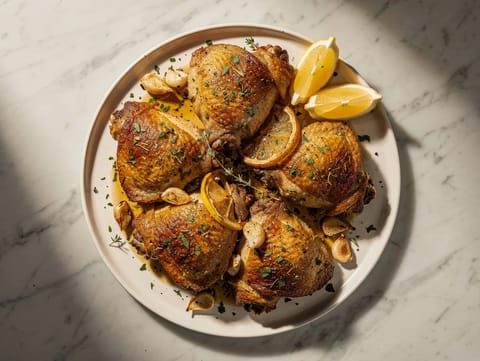
Crispy Oven-Baked Chicken Thighs with Lemon and Herbs
Crispy baked chicken thighs with lemon, garlic and herbs
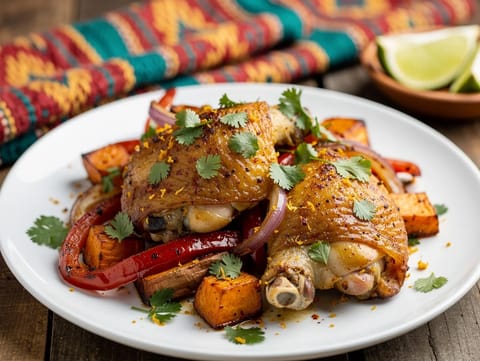
Mexican Chicken Traybake with Sweet Potato and Chipotle Lime
Chicken traybake with sweet potato, chipotle lime and peppers
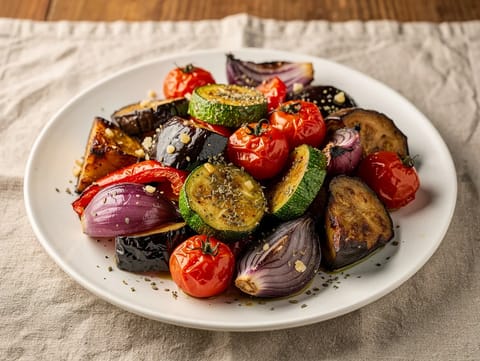
Italian Roasted Vegetable Traybake
Roasted vegetable traybake with garlic, olive oil and oregano
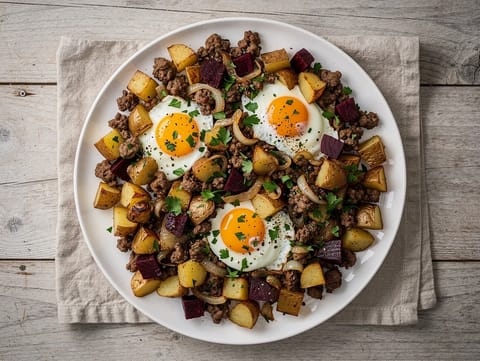
Pytt i Panna (Swedish Hash with Fried Egg and Beetroot)
Swedish hash with fried egg and beetroot
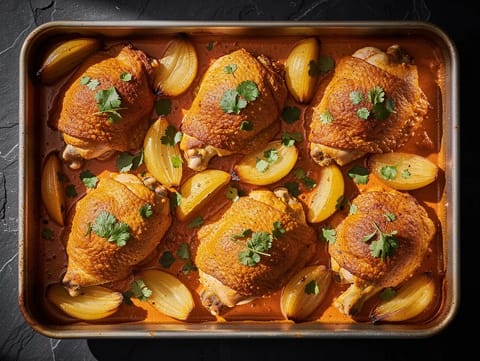
British-Style Butter Chicken Traybake
Butter chicken traybake with creamy tomato sauce
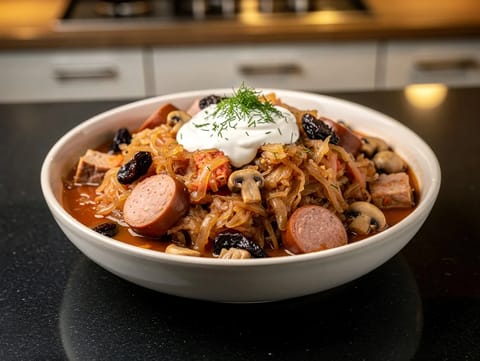
Light Bigos Bowl (Modern Hunter’s Stew)
Light bigos style stew with pork, sauerkraut and prunes
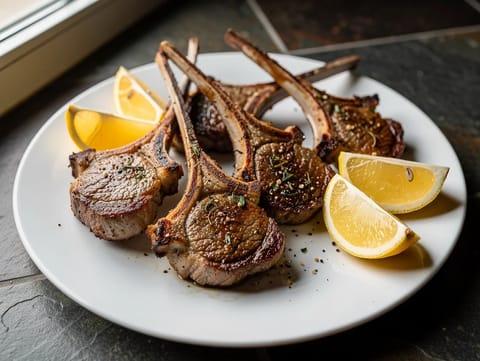
Air Fryer Lamb Chops
Air fryer lamb chops with olive oil, lemon, garlic, and oregano.
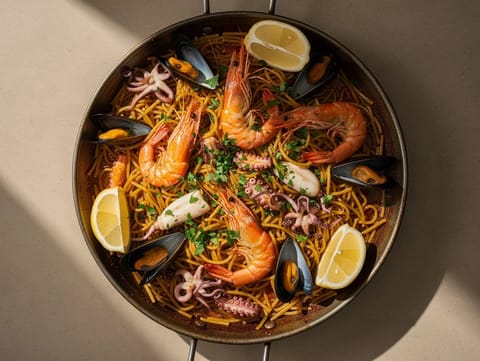
Fideuà Valenciana (Valencian Noodle Paella)
Toasted noodles cooked with seafood in saffron fish stock
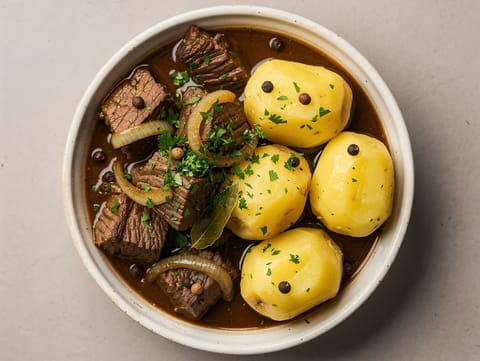
Kalops (Swedish Beef Stew with Allspice and Bay)
Swedish beef stew with onions, allspice and bay leaf
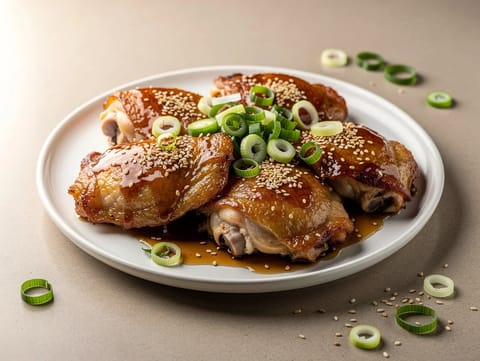
Air Fryer Honey Garlic Chicken Thighs
Air-fried chicken thighs in a sticky honey garlic glaze.
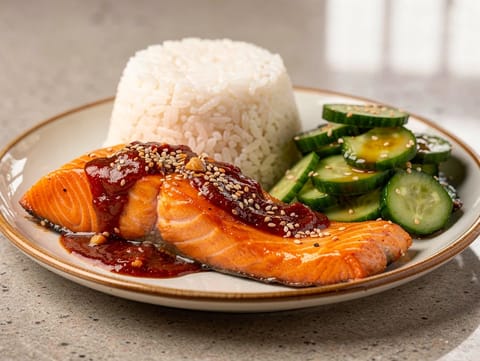
Gochujang-Glazed Salmon
Baked salmon with gochujang, soy, sesame and garlic glaze
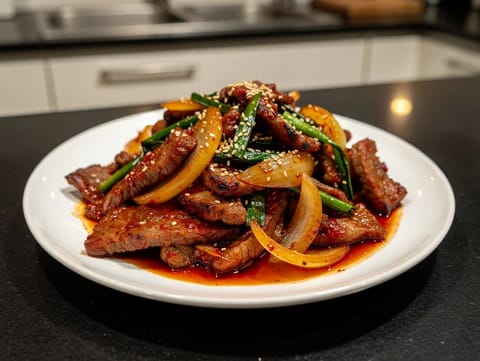
Dwaeji Bulgogi (Korean Spicy Pork Stir-Fry with Onion)
Spicy Korean pork stir-fry with onion and spring onions
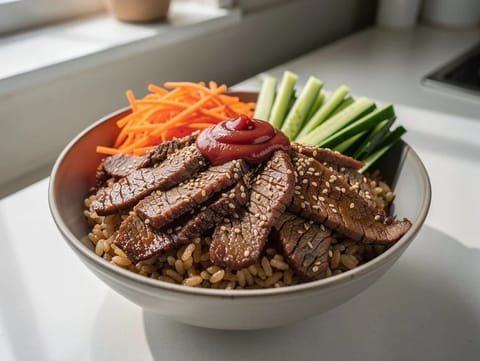
Bulgogi Grain Bowl
Bulgogi beef bowl with brown rice, carrot, cucumber and gochujang
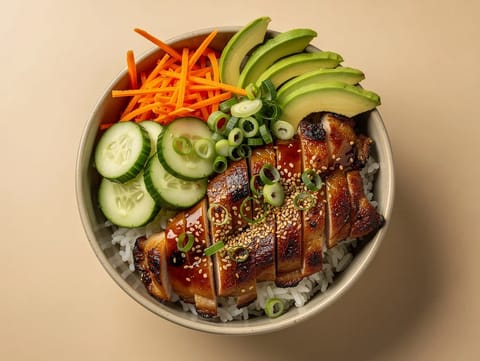
Honey Garlic Chicken Poke Bowl
Honey garlic chicken poke bowl with rice, avocado and cucumber.
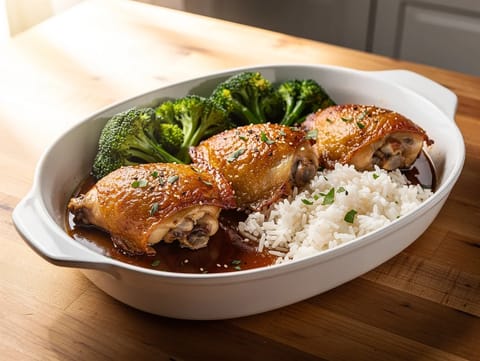
Oven-Baked Honey Garlic Chicken Thighs
Baked chicken thighs with a sticky honey garlic soy glaze
You might also like
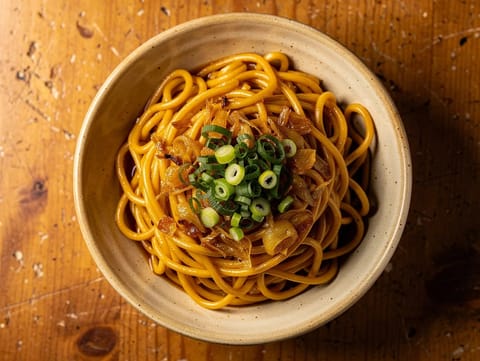
Scallion Oil Noodles (Shanghai Spring Onion Noodles)
Wheat noodles tossed in fragrant spring onion oil and soy sauce
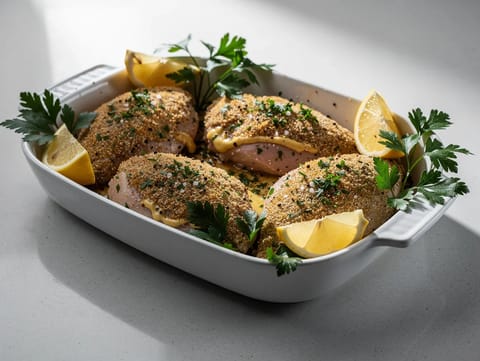
Rye Crusted Chicken with Mustard and Herbs
Baked chicken with a crisp rye breadcrumb and mustard crust
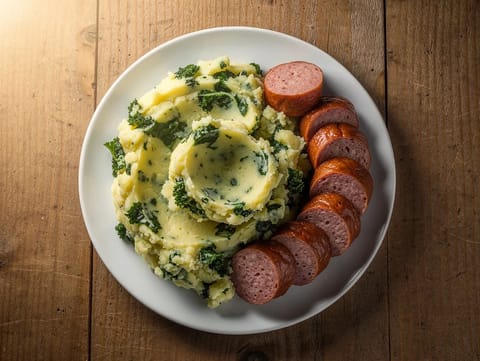
Stamppot Boerenkool (Dutch Mashed Potatoes with Kale and Smoked Sausage)
Dutch kale and potato mash served with smoked sausage
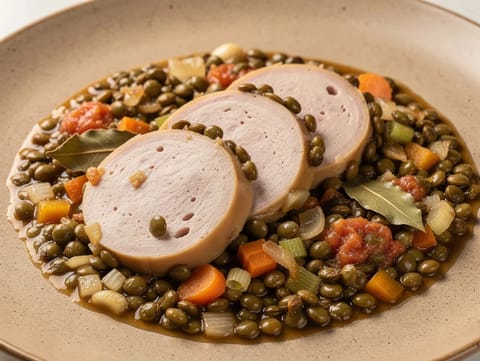
Zampone e Lenticchie (Sausage with Lentils)
Sausage served over lentils with tomato and stock
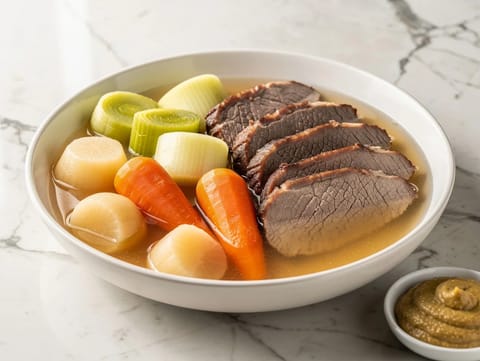
Pot-au-Feu (French Beef Stew)
French beef stew with brisket, vegetables and clear broth
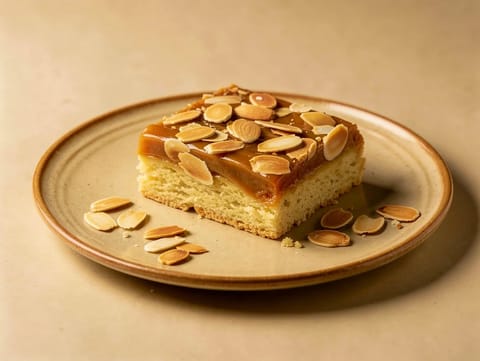
Mazurek (Polish Easter Shortcrust Tart)
Polish shortcrust tart topped with caramel and toasted almonds
Make this recipe easier next time
AdvertisementThese tools help you get better results with less effort.
KitchenAid Stainless Steel Mixing Bowls
- Non-slip base
- Stainless steel
- Not microwave safe
Pyrex Glass Mixing Bowls with Lids
- Microwave safe
- BPA-free lids
- Glass is heavier
OXO Good Grips Stainless Mixing Bowl Set
- Non-slip base
- Comfort grip
- Higher price
Enjoy cooking with JustRecipes?
Add JustRecipes as one of your preferred Google sources to discover our recipes more easily across Google Search.
Add JustRecipes to GoogleEvery recipe on JustRecipes follows the same structured editorial process. Learn how recipes are created, validated, translated, illustrated, and continuously improved across the platform. How we create recipes.
