
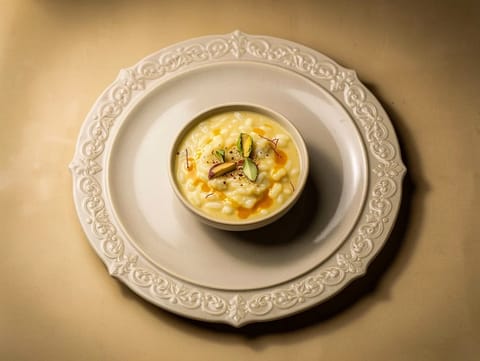
Kheer (Indian Rice Pudding with Cardamom and Saffron)
Creamy kheer made with basmati rice, milk, cardamom and saffron

Indian-style dinners are often built from a few repeatable building blocks: a spiced main, something starchy to carry it, and a fresh or tangy counterpoint. This collection is for nights when you want those flavours without guesswork about what to serve alongside. Think in contrasts, creamy with sharp, crisp with saucy, and you can put together a meal that feels complete even if each element is simple.
In practice, Indian dinner cooking is less about a single dish and more about how dishes work together. A curry or dry-fried sabzi may be the centre, but rice, flatbreads, raita, chutney or a quick salad often do as much work as the main. Spice can mean warmth, fragrance, or both, and heat is only one dial among many. Many recipes rely on a base of onions, ginger and garlic, plus whole or ground spices bloomed in oil or ghee to deepen flavour. The same approach can suit vegetables, pulses, paneer, fish or meat, so you can choose the protein and still keep the meal’s character consistent.
Creamy kheer made with basmati rice, milk, cardamom and saffron
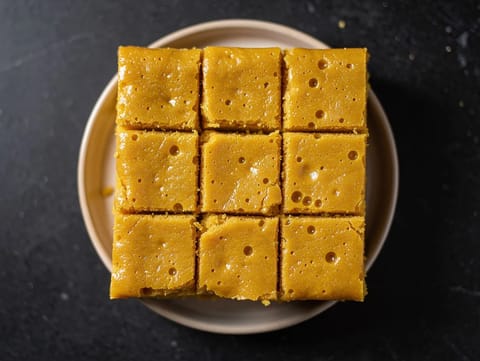
South Indian chickpea flour fudge cooked with ghee and sugar syrup
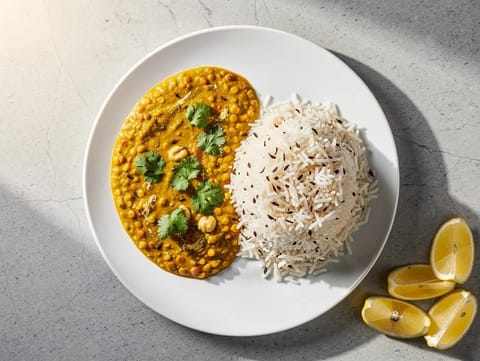
Red lentil dal with cumin, garlic and chilli tadka
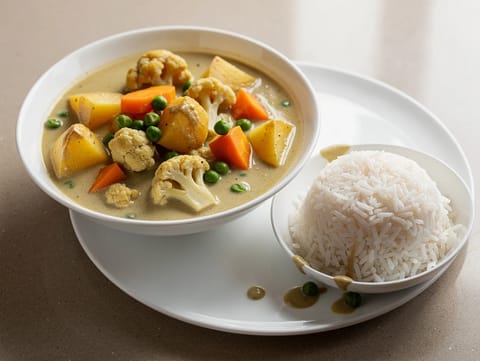
Mild vegetable korma with coconut, yoghurt and almonds
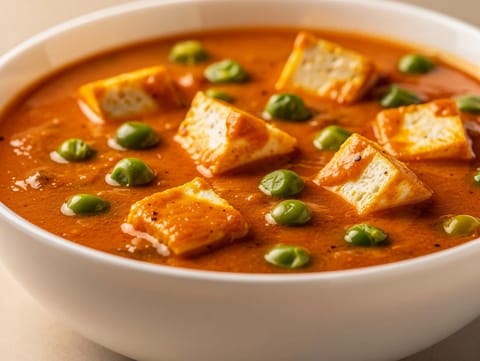
Paneer and peas simmered in a spiced tomato-onion gravy
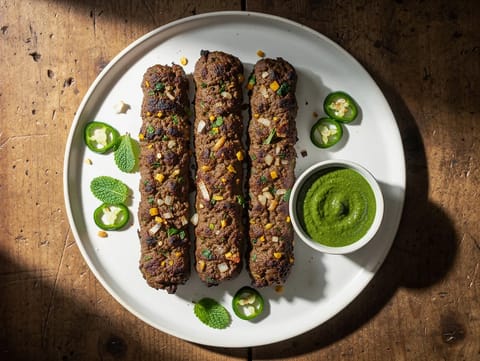
Grilled lamb seekh kebabs served with mint chutney
If you want something spoonable, look for saucy dishes where the gravy is the point, often finished with yoghurt, cream, coconut or ground nuts. For a lighter plate, dry-cooked vegetable dishes and lentils with a looser texture sit well with plain rice and something sharp on the side. When you want contrast, add one crisp element: a toasted flatbread, a fried topping, or a quick cucumber-onion salad with lemon. If you are cooking for mixed spice tolerance, keep the base aromatic and add chilli heat at the end in a separate oil, chutney or sprinkle, so everyone can adjust at the table.
Light, fluffy poha steamed with onion, mustard seeds, curry leaves and peanuts
Mild chicken curry with ginger, garlic and a smooth yoghurt and cream sauce
Wok-cooked kadai paneer with capsicum, toasted spices, onions and a little cream
Lamb nihari stew with onions, ginger, garlic and spices, thickened lightly with atta
Basmati rice layered with spiced fish and caramelised onions, finished with herbs and yoghurt
Creamy Indian ground rice pudding with cardamom, topped with pistachios and almonds
Fish simmered with tamarind, tomatoes, curry leaves and warming spices
Red lentil and spinach soup, lightly blended and finished with cumin, garlic and chilli
Prawns simmered in tomato masala with coconut milk and fresh coriander
Fragrant Malabar chicken biryani steamed with basmati rice, fried onions and whole spices
Light Kerala prawn moilee simmered in coconut milk with curry leaves
Marinated grilled paneer simmered in a smooth tomato and cashew masala with cream
If you are planning the rest of the table, Cooking time helps you decide whether to build a multi-dish spread or keep it to one main plus a quick side. For dietary needs, Diet categories can be a useful starting point, but it is still worth checking ingredients for ghee, yoghurt, nuts and specific spice blends.
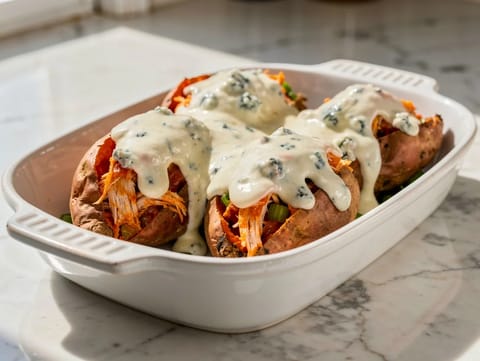
Sweet potatoes stuffed with Buffalo chicken and blue cheese yoghurt
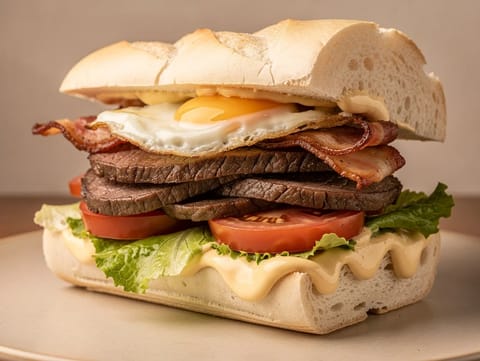
Steak sandwich with fried egg, bacon, tomato and mayonnaise
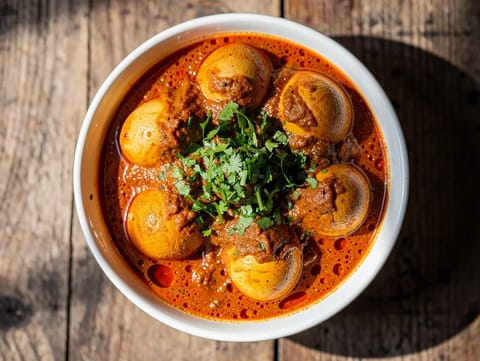
Egg curry in a spiced tomato and onion gravy
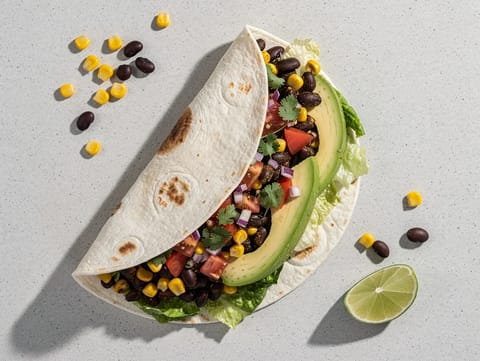
Toasted wraps filled with black beans, avocado and tomato salsa
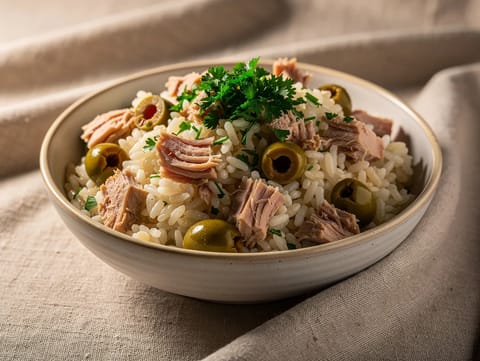
Chilled rice salad with tuna, olives, lemon and parsley
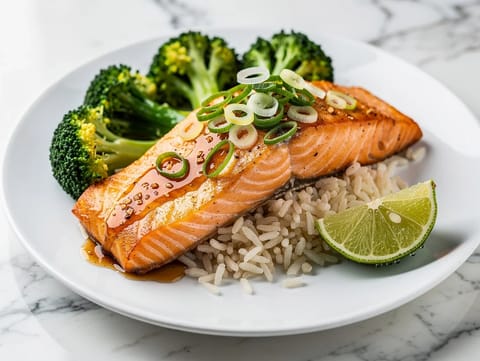
Pan-seared salmon with honey garlic glaze, rice and broccoli
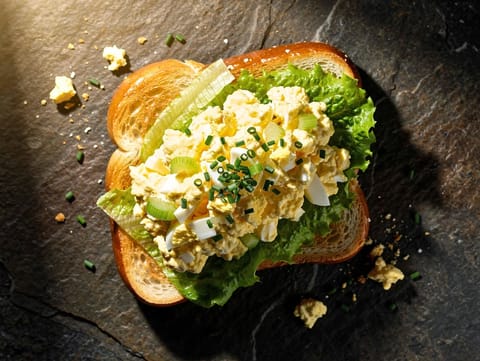
Egg salad on toasted brioche with chives and lettuce
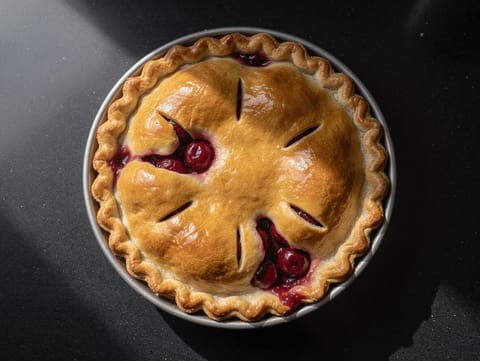
Air fryer cherry pie with lemon and cornflour-thickened filling.
Not necessarily. Many Indian-style meals can be satisfying as a single main with rice, or a flatbread with a simple yoghurt or salad on the side. The key is adding one contrasting element so the plate does not feel one-note.
Often it is the handling of the base: cooking onions until properly softened and browned, blooming spices in fat, and giving the sauce time to reduce so it clings rather than tastes watery.
Use aromatic spices (cumin, coriander, cardamom, cinnamon) and keep chilli modest. Finish with fresh ginger, lime or herbs for lift, and offer chilli oil or sliced green chilli separately.
Plain rice, simple flatbreads, and something cooling or tangy such as raita, pickles or a lemony salad help balance richness and keep the meal feeling fresh.
No. Indian cooking includes a wide range of vegetarian dishes as well as meat and fish preparations. The same spice-and-balance approach works across proteins.
Start with the main you want to cook, then add one starch and one fresh or tangy side. That simple structure makes Indian-style dinners easier to plan, and it keeps the flavours clear rather than crowded.
