
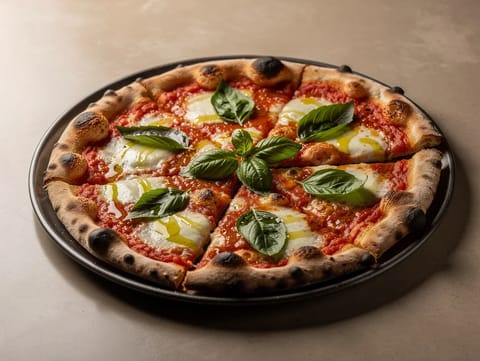
Pizza Margherita (Tomato, Mozzarella and Basil)
Classic pizza with tomatoes, mozzarella and fresh basil

A pizza stone is a thick slab, usually ceramic or cordierite, that sits in the oven and stores heat. That stored heat is what changes the bake: it pushes energy into the base quickly, helping it set and brown before the topping overcooks. The trade-off is workflow. Stones need time to preheat properly, and they are less forgiving of sudden temperature changes. If you are weighing up a stone against a heavy baking tray or a steel, it helps to know what problems a stone solves, and which ones it can create if handled casually.
A stone acts as a heat reservoir. Once fully heated, it evens out temperature swings when you open the oven door and gives a strong initial burst of heat to dough. That is why it is associated with crisp pizza bases and well-browned flatbreads. It also changes how you load food: you typically place the pizza directly on the hot surface rather than baking in a tray. Because the stone is porous, it can absorb a little surface moisture from dough, but it can also absorb spills, which is why keeping toppings contained matters.
Cracking is most often caused by thermal shock: putting a cold stone into a hot oven, splashing it with liquid, or placing frozen food on a blazing-hot surface. Let the stone heat gradually with the oven, and avoid washing it with lots of water while it is still warm. Sticking is usually a launching issue rather than a stone issue; a light dusting on the peel and a confident transfer help. Pale bases usually mean the stone was not fully preheated, or it is positioned too high in the oven where the top heat dominates.
Choose a stone when you want steady, stored heat and a more forgiving bake than a very conductive surface. A baking steel transfers heat faster than most stones, which can brown the base quickly but can also tip into over-browning if your dough contains sugar or your oven runs hot. A heavy baking tray preheated in the oven can mimic some of the effect with less specialist kit, though it usually holds less heat than a stone of similar size. If you value speed, remember that any stone-like setup relies on a proper preheat.
A hot stone is heavy and awkward, so decide where it will live in the oven before you start and avoid moving it mid-cook. Keep it clear of the grill element and allow airflow around it so the oven can recover heat. If you use baking paper to help with launching, be mindful that paper can darken and become brittle at high temperatures, especially if it overhangs the stone. Let the stone cool in the switched-off oven or on the rack before cleaning.
Cooking method is a useful companion because stone baking often sits alongside high-heat approaches and direct-on-surface baking. Difficulty can also help you compare recipes that assume confident launching and turning with those designed for tray-baking and simpler handling.
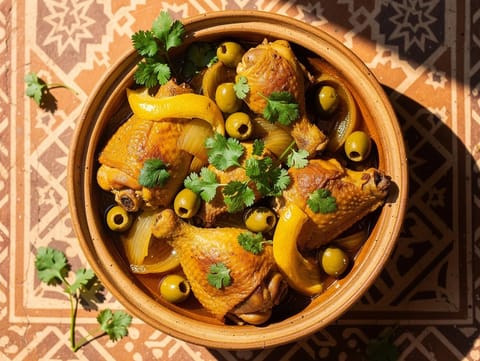
Chicken tagine with preserved lemon, olives and warm spices
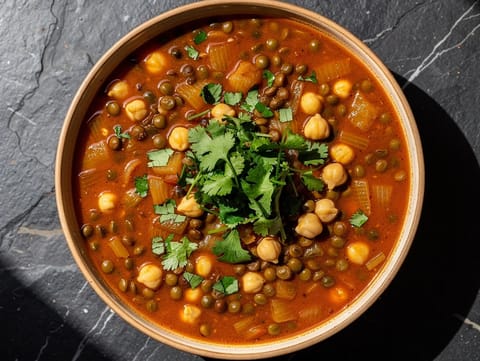
Moroccan lentil and chickpea soup with tomatoes and coriander
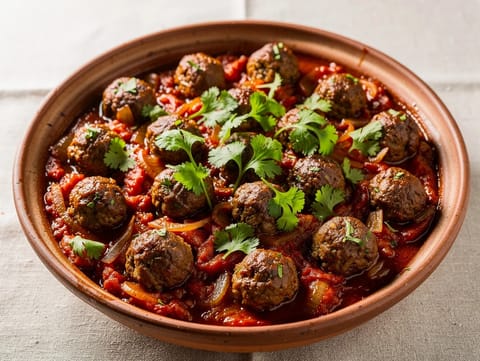
Spiced beef meatballs simmered in a rich tomato sauce
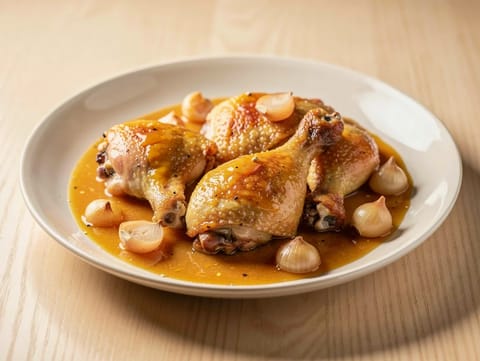
Chicken braised with shallots in a tangy vinegar sauce
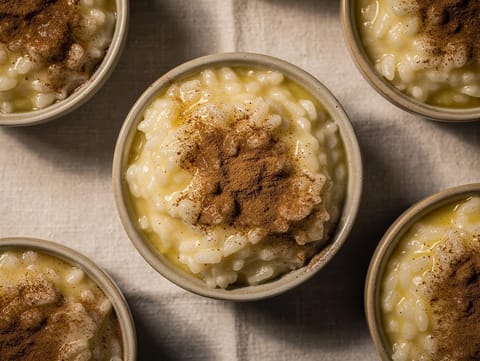
Portuguese rice pudding with cinnamon, egg yolks and lemon zest
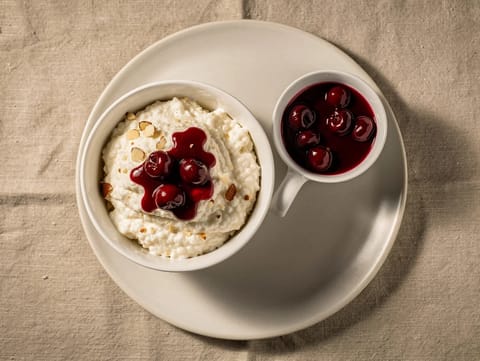
Danish almond rice pudding served with cherry sauce

Black milk tea served over chewy tapioca pearls and ice
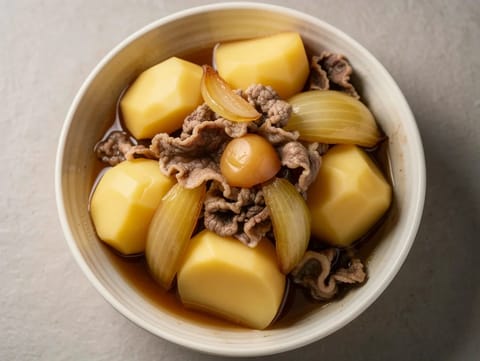
Japanese beef stew with potatoes and onion in a savoury broth
Yes, preheating is the point of the stone. Without it, you are effectively baking on a room-temperature slab, which slows the bake and can leave the base soft.
Often, yes. The stored heat can help with oven spring and base browning. The main consideration is size and whether the dough can be loaded safely onto the hot surface.
Usually from sudden temperature change, such as rapid heating, cold liquid on a hot stone, or placing very cold food onto it. Gradual heating and cooling reduces the risk.
They behave differently. Steel transfers heat faster, which can brown bases quickly; stone tends to be steadier and a little less aggressive. The best choice depends on your oven and the style of pizza you make.
Many stones are porous and can absorb water and detergent flavours. It is often safer to scrape off baked-on bits and wipe once cool, following the maker’s guidance if you have it.
If you like crisp bases and are happy to give the oven time to heat properly, a pizza stone is a practical upgrade. Treat it as part of the oven rather than a pan you move around, and it will behave more predictably.
