
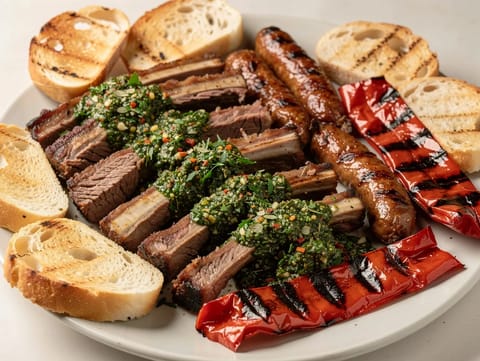
Asado Feast (Grilled Beef Ribs and Pork Sausages with Chimichurri)
Grilled beef ribs and sausages with parsley chimichurri

Barbecue cooking is defined by live fire: radiant heat, smoke and the quick surface changes that come with cooking over coals or flame. Done well, it gives you a distinctive combination of char, caramelisation and a gentle smokiness that is hard to replicate indoors.
Because fire is less uniform than an oven, barbecue recipes often focus on heat management as much as ingredients. Understanding zones, lid position and timing is what turns “grilled” food into properly barbecued food.
Barbecue heat is intense at the surface, so foods brown quickly and can pick up crisp edges. Fat dripping onto coals can create flare-ups and extra smoky notes, which is part of the character but also a source of bitterness if it gets out of hand. With the lid down, the barbecue behaves more like a small oven, circulating hot air and smoke around the food.
You will see barbecue recipes that aim for two different finishes. Some chase fast searing and a juicy interior, as with steaks, chops and vegetables. Others use gentler, longer cooking with smoke to soften connective tissue, as with ribs, brisket-style cuts or pulled meats. The method you choose changes the texture more than the seasoning does.
Grilled beef ribs and sausages with parsley chimichurri
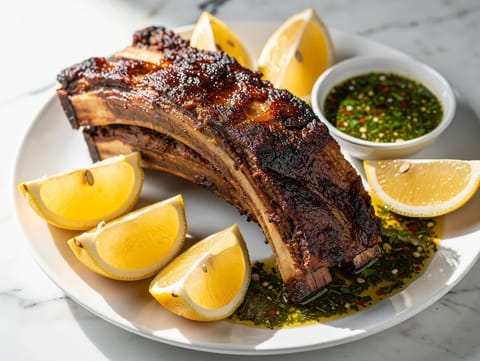
Slow grilled beef short ribs served with chimichurri
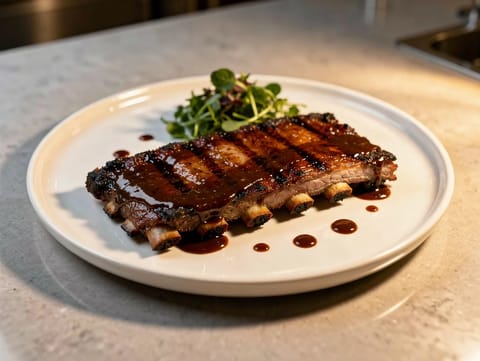
Grilled pork ribs brushed with sticky bourbon BBQ sauce
A two-zone fire is the most useful setup for home barbecuing: a hotter area for searing and a cooler area for finishing thicker pieces without burning the outside. Lid position matters. Lid up gives you more direct, grill-like heat; lid down traps heat and smoke, helping larger cuts cook through.
For foods with sugar in the marinade or glaze, add it late or cook it over gentler heat, because sugar darkens quickly. For delicate items such as fish, a well-oiled grate and confident turning reduce sticking. If you are cooking mixed foods, start the slowest-cooking items first and use the cooler zone as a holding area.
Slow grilled beef short ribs served with chimichurri
Grilled pork ribs brushed with sticky bourbon BBQ sauce
Grilled beef ribs and sausages with parsley chimichurri
Charcoal and wood give the most pronounced smoke and the most responsive heat once you learn to manage airflow. Gas barbecues offer steadier control and are often easier for week-to-week cooking, though the smoke character is usually lighter unless you add a smoker box or wood chips.
If you do not have an outdoor barbecue, some recipes translate to a grill pan or a very hot oven grill, but the flavour will shift: you can still get char and browning, but you will not get the same smoke. When adapting, focus on the doneness cues and the order of cooking rather than trying to mimic every note of the fire.
For quick, high-heat cooking, look for recipes built around even thickness and short exposure: skewers, thin-cut vegetables, burgers, chops and flatbreads. These tend to rely on frequent turning and a short rest afterwards.
For slower barbecue, choose recipes that explicitly use indirect heat, a lid-down approach, or a longer cook with basting. These often suit tougher cuts that benefit from time, and they may include a finishing step over direct heat to set a glaze or crisp the surface. If you want less fuss, pick recipes with simple seasoning and a clear heat setup rather than those that require constant saucing.
Equipment matters more with barbecue than with many methods, because grill size, fuel type and lid design change how you set up heat zones. Cooking time is the other useful companion: live fire cooking can be quick, but thicker cuts and indirect cooking need realistic timing, including resting.
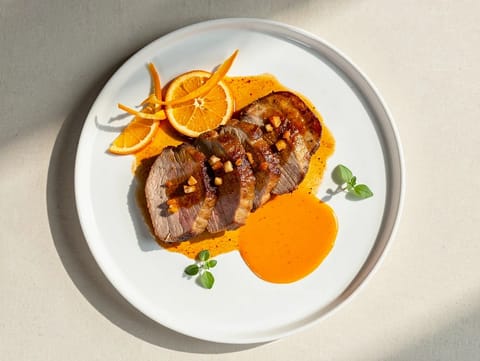
Seared pork loin simmered in a glossy orange sauce
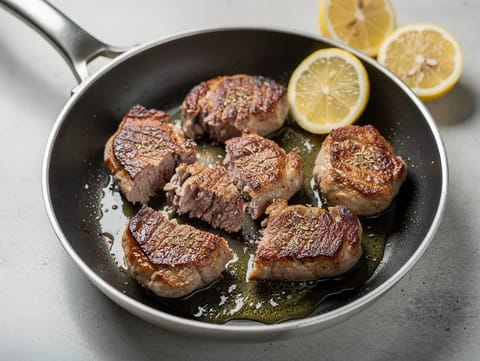
Pan-fried pork with lemon and mustard sauce
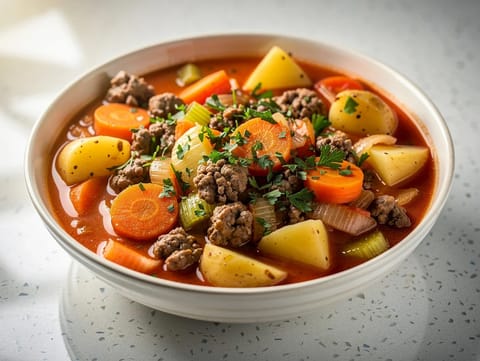
Minced beef and potato stew in a paprika-tomato broth

Crispy air fryer wontons with pork and spring onion.
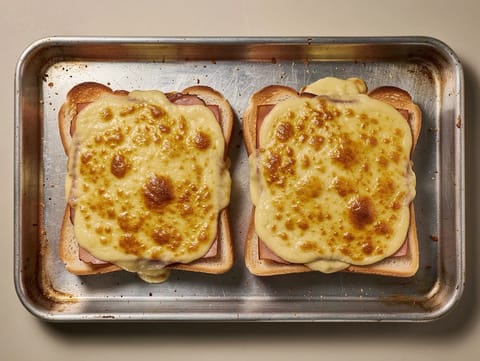
French toasted ham and Gruyère sandwich topped with béchamel
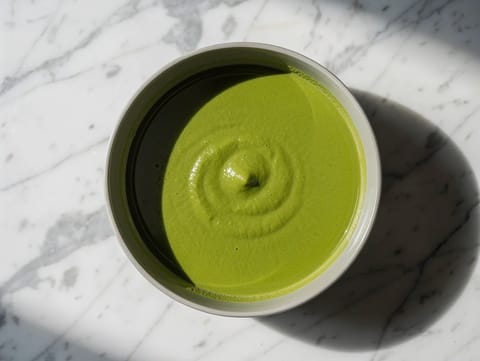
Chilled green gazpacho with avocado, spinach and cucumber
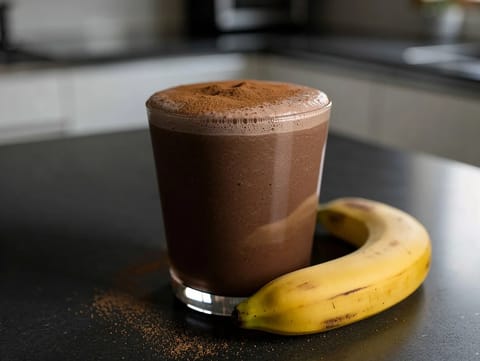
Banana smoothie blended with cocoa, cinnamon and chilli.
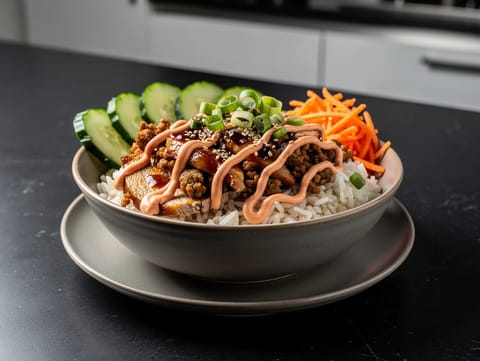
Turkey rice bowl with cucumber, carrot and sriracha mayonnaise.
They overlap, but barbecue often implies live-fire cooking with smoke and, in many traditions, longer cooking over indirect heat. Grilling usually points to faster, direct heat. Many home barbecues do both depending on how you set up the fire.
It means arranging the fire so one area is hotter and one is cooler. You sear over the hot zone, then move food to the cooler zone to finish cooking through more gently.
Bitterness often comes from heavy charring, flare-ups from dripping fat, or smoke that is thick and sooty rather than clean. Moving food away from flames and letting coals burn to a steadier heat can help.
Many sauces contain sugar, which can burn quickly. Recipes often add sauce near the end, or use a lower-heat zone to set a glaze without scorching.
A clean, hot grate helps, as does lightly oiling the food or the grate. Let the surface sear before you try to turn; if it is still sticking, it often needs a little more time.
Not always. Char and rendered fat contribute a lot of flavour on their own. Wood smoke adds another layer, but it is easy to overdo, so many recipes use it sparingly.
Barbecue becomes simpler when you decide whether you are searing fast or cooking gently with the lid down, then set the fire to match. Choose recipes that describe their heat setup clearly, and you will get the flavour of live fire without chasing it mid-cook.
