
Veal Blanquette with Tarragon
Why this recipe works
- Classic pale stew method: The veal is simmered without browning, which keeps the broth light and gives blanquette its recognisable delicate character.
- Velvety sauce: A flour-thickened broth is finished with cream and egg yolk for a smooth, gently enriched sauce.
- Brightened richness: Lemon and fresh tarragon lift the creamy base, adding freshness without overpowering the mild veal.
Get the most out of this recipe
Texture tips
- Keep the simmer gentle: The liquid should barely tremble. A hard boil can tighten the veal and make the broth cloudy.
- Control the final heat: Once the cream and egg yolk are added, keep the sauce over very low heat and do not let it boil.
Ingredient notes
- Use suitable veal cuts: Veal shoulder works well because it becomes tender with gentle simmering while still holding its shape.
- Fresh tarragon matters: Fresh tarragon gives a cleaner, more aromatic finish than dried; parsley is a milder alternative.
- Add lemon to taste: Stir in the lemon at the end and adjust gradually so the sauce tastes bright rather than sharp.
Authenticity notes
- No browning: Blanquette is traditionally defined by its pale sauce and gently cooked meat, rather than the browned flavour of darker stews.
- Herb finish: Tarragon gives this version a more aromatic, modern lift, while parsley offers a softer classic finish.
Serving ideas
- Serve with rice: Steamed rice absorbs the creamy sauce and keeps the plate light.
- Serve with potatoes: Buttered new potatoes make the dish feel more substantial and suit the French comfort-food style.
- Finish with herbs: A final scattering of fresh tarragon adds colour and reinforces the herbal aroma.
Equipment you'll need
Ingredients
Instructions
- Cut the veal into large bite-size pieces. Peel and slice the carrots into thick rounds, then trim and slice the leeks, rinsing well to remove any grit. Pick the tarragon leaves and finely chop them, then zest and juice the lemon.
- Put the veal in a dutch oven with the carrots, leeks and bay leaves. Add the dry white wine, water, fine sea salt and black pepper, then bring to a gentle simmer over medium heat. Skim any foam from the surface, then reduce to low so the liquid barely trembles.
- Cover and simmer gently for 55 to 60 minutes, stirring once or twice, until the veal is tender and the vegetables are soft but not collapsing. The broth should stay pale and clear, not boiling hard. Taste the broth and adjust seasoning if needed.
- Using a slotted spoon, lift the veal and vegetables into a warm bowl and cover to keep hot; discard the bay leaves. Strain the cooking liquid into a saucepan and simmer for 5 to 8 minutes to concentrate slightly. You should have a gently reduced, flavourful broth.
- In the same saucepan, melt the butter over medium heat, then whisk in the plain flour and cook for 1 minute. Gradually whisk in about 600 ml of the hot broth until smooth, then simmer for 3 to 4 minutes until lightly thickened. Reduce the heat to low.
- In a bowl, whisk the egg yolks with the double cream, then whisk in a ladle of the hot sauce to temper. Off the heat, whisk the egg mixture into the saucepan, then return to very low heat and stir for 2 to 3 minutes until velvety; do not let it boil. Stir in the lemon zest, 2 tbsp lemon juice and most of the tarragon, reserving a little to finish.
- Return the veal and vegetables to the sauce and warm through for 3 to 5 minutes until piping hot. Taste and add a little more lemon juice if you want it brighter. Serve scattered with the remaining tarragon.
Recipe notes
Serving suggestions
This recipe pairs well with:
Tips
- Keep the simmer very gentle so the broth stays pale and the veal stays tender; a hard boil can make the meat tighten.
- Once the egg yolk and cream are added, keep the heat very low and never let the sauce boil, or it can split.
- If serving vulnerable groups, use pasteurised egg yolk and make sure the finished stew is heated until piping hot.
Substitutions
- Replace Fresh tarragon with fresh parsley for a milder, more classic herb finish.
- Replace Dry White Wine with Water for an alcohol-free version; add a little extra Lemon juice at the end to keep the sauce lively.
- Replace Double cream with crème fraîche for a slightly tangier sauce, keeping the heat very low so it does not split.
Storage
- Refrigerate up to 2 days
- Cool quickly, then refrigerate in a sealed container. Reheat gently in a saucepan over low heat, stirring often, and do not boil to prevent the egg-thickened sauce from splitting.
Ratings & reviews
Liked this recipe? Share your feedback to support our cooking community.
Tried this recipe?
Choose 1–5 stars. A comment is optional.
Stay inspired
Discover new recipes, seasonal favourites and cooking inspiration every day. Follow JustRecipes on Pinterest and Spillt.
Recipe overview
- Servings: 4 servings
- Total time: 1h 35min (30min active)
- Difficulty: Advanced
- Cuisine: French
-
Allergens:
Eggs Milk
Plan your meals and get a complete grocery list automatically.
Add to meal plannerEquipment you'll need
Got ingredients left?
Find recipes using ingredients from this recipe or what you already have at home.
Find recipes with these ingredients →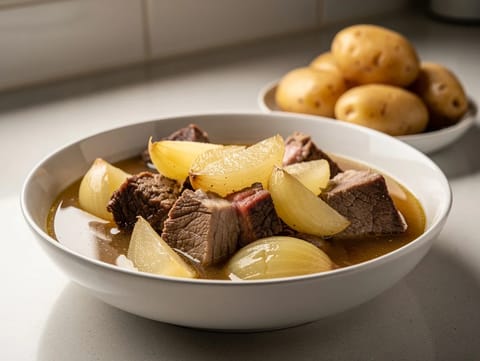
Karelian Stew (Karjalanpaisti)
Slow-cooked beef and pork stew with allspice
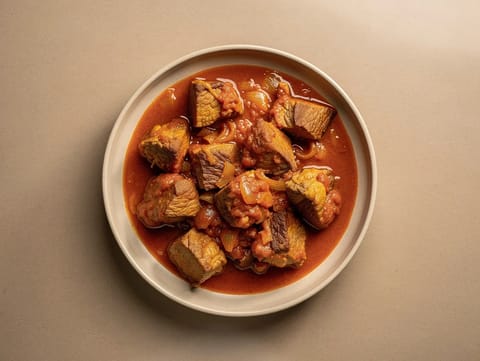
Carne con Tomate (Andalusian Pork in Tomato Sauce)
Andalusian pork simmered in a thick tomato and paprika sauce
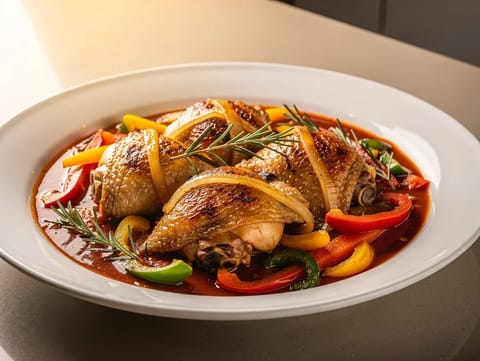
Pollo alla Cacciatora (Modern Light Version)
Chicken thighs simmered in tomato and red wine sauce
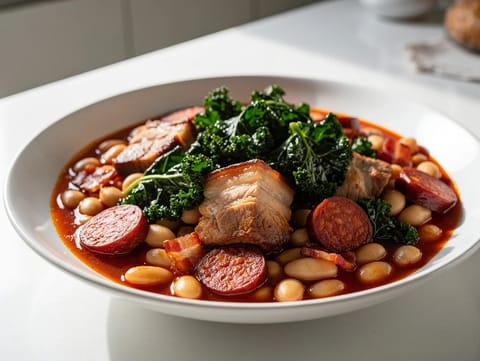
Feijoada à Portuguesa (Portuguese Bean Stew with Pork and Chorizo)
Portuguese white bean stew with pork belly, chorizo and bacon
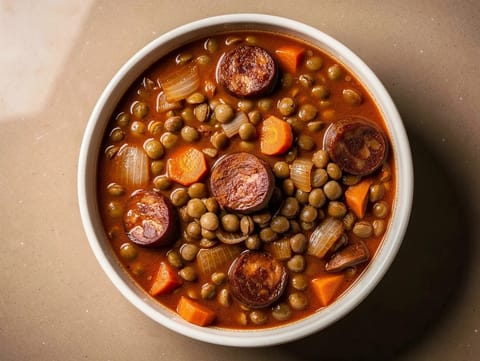
Lentejas con Chorizo (Spanish Lentil and Chorizo Stew)
Spanish lentil stew simmered with chorizo, tomato and smoked paprika
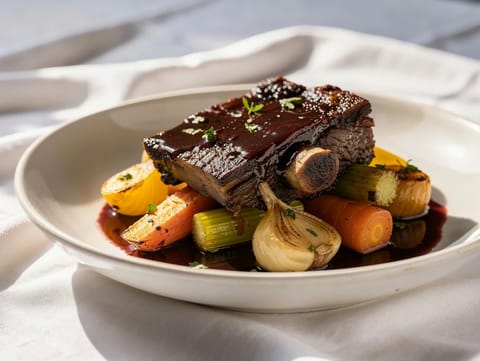
Slow-Braised Short Ribs with Red Wine
Slow-braised beef short ribs in red wine
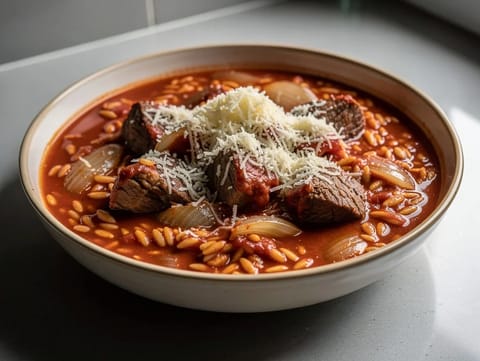
Youvetsi (Greek Beef Stew with Orzo)
Greek beef stew baked with orzo in tomato and cinnamon
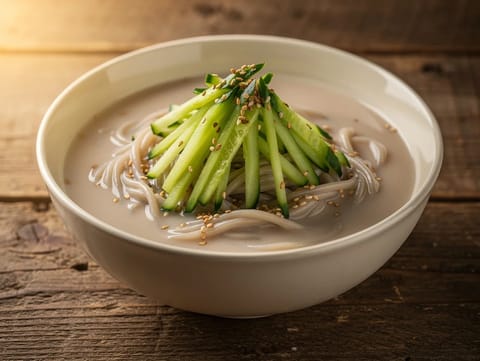
Kongguksu (Cold Soy Milk Noodles)
Cold noodles in creamy soy milk broth with cucumber
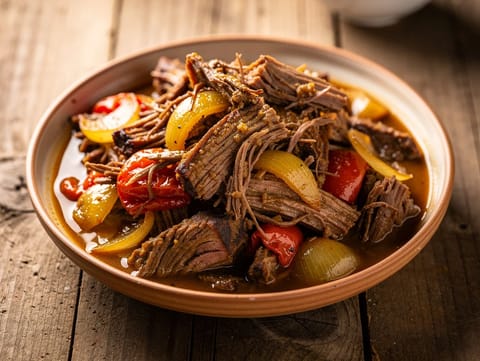
Carne Mechada (Spanish Shredded Braised Beef with Sherry)
Spanish shredded braised beef with paprika and sherry
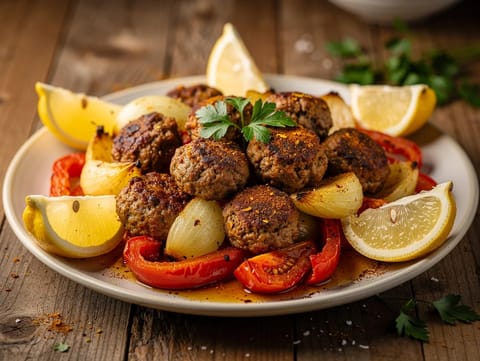
Turkish Spiced Lamb Meatball Traybake with Peppers and Tomatoes
Lamb meatball traybake with peppers, tomatoes, cumin and paprika
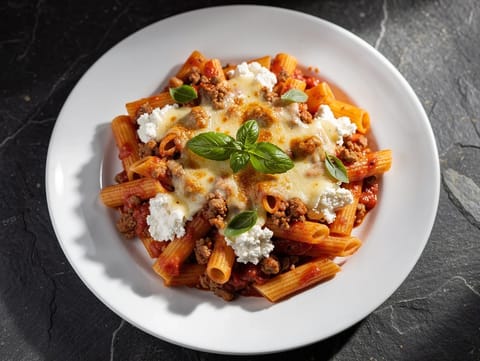
American-Style Baked Ziti with Minced Beef
Baked ziti with minced beef, ricotta and mozzarella
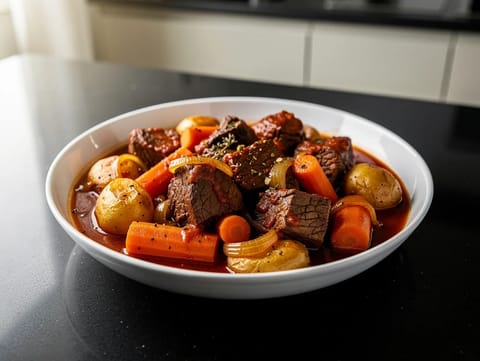
Carne Estufada à Portuguesa (Portuguese Braised Beef)
Portuguese braised beef stew with red wine, carrots and potatoes
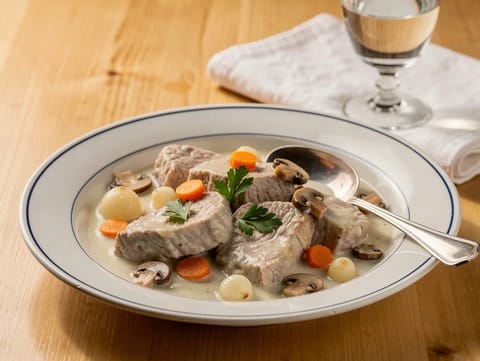
Blanquette de Veau (Creamy French Veal Stew)
Creamy veal stew with mushrooms, carrots and a velvety sauce
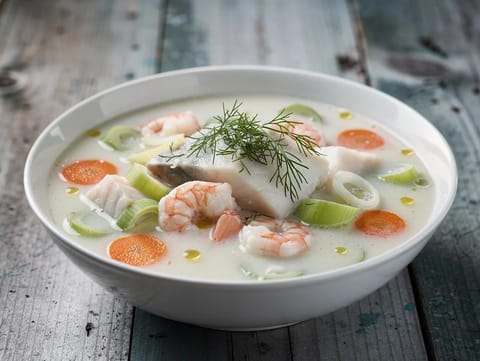
Norwegian Fiskesuppe (Creamy Fish Soup)
Creamy fish soup with prawns, lemon and dill
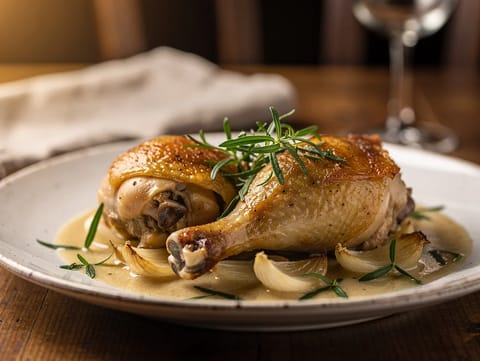
Fricassée de Poulet à l’Estragon (Chicken with Tarragon Cream)
French chicken fricassée in a tarragon and cream sauce
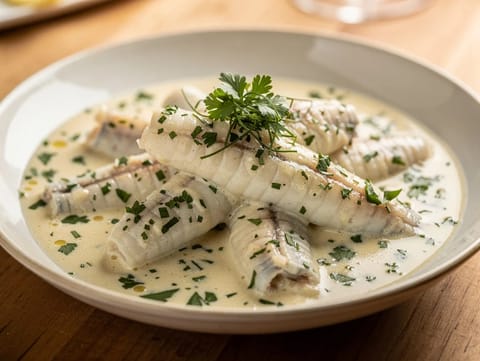
Paling in Roomsaus (Belgian Eel in Cream Sauce)
Belgian eel poached in a creamy white wine herb sauce
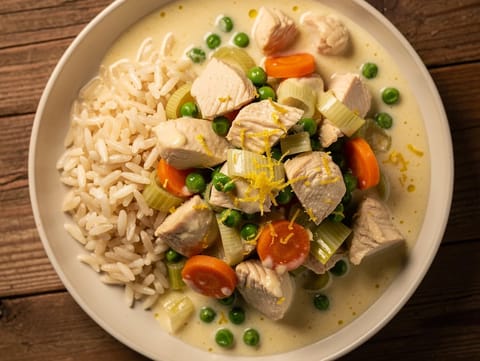
Hühnerfrikassee (German Chicken Fricassee with Rice)
Creamy German chicken fricassee with rice, carrots and peas
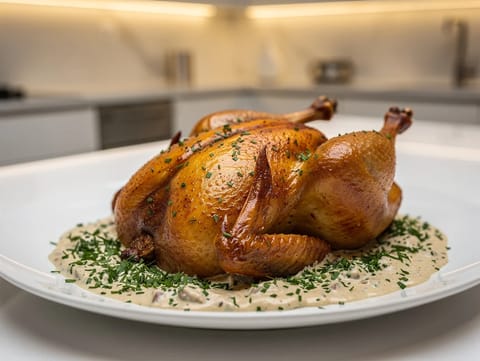
Poulet Rôti with Tarragon Cream Sauce
Roast chicken with tarragon cream sauce
You might also like
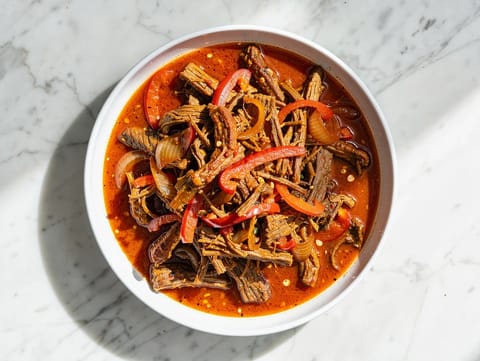
Ropa Vieja (Shredded Beef in Tomato and Pepper Sauce)
Shredded beef brisket simmered in tomato, pepper and cumin sauce
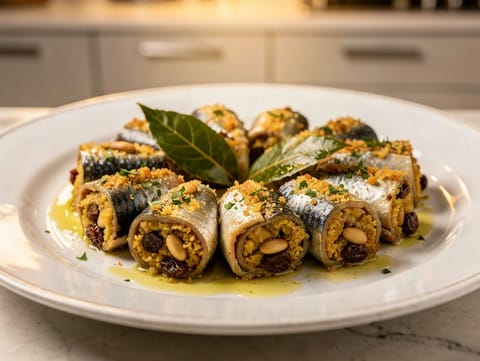
Sarde a Beccafico (Sicilian Stuffed Sardines)
Baked stuffed sardines with pine nuts and raisins
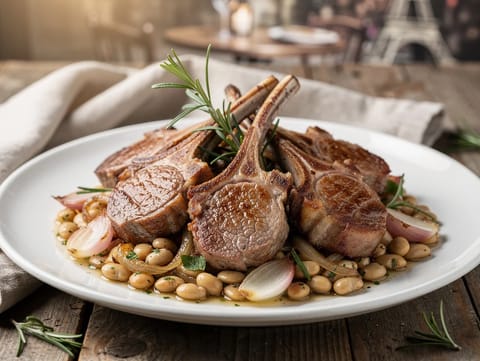
Côtelettes d’Agneau with Flageolet Beans (Lamb Cutlets and Beans)
Seared lamb cutlets served over flageolet beans with rosemary
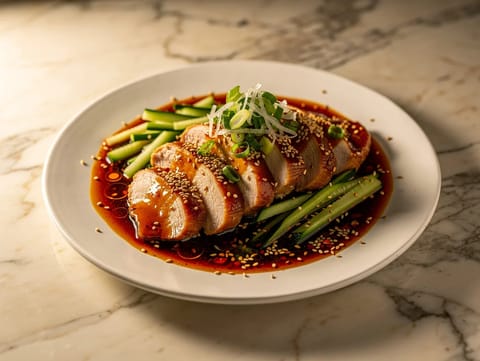
Sichuan Cold Chicken with Chilli Oil
Chilled poached chicken dressed with chilli oil and black vinegar
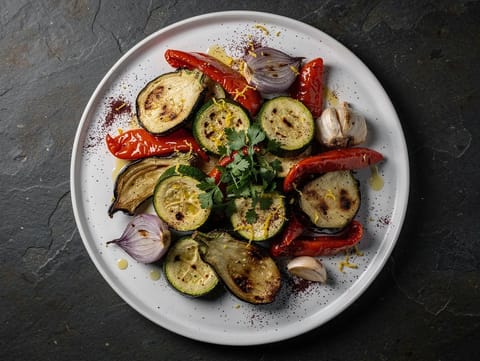
Turkish Roasted Vegetables with Sumac, Lemon and Parsley
Roasted aubergine, courgette, pepper and onion with sumac

Chaufa (Peruvian Fried Rice)
Peruvian fried rice with chicken, egg, soy sauce and sesame oil
Make this recipe easier next time
AdvertisementThese tools help you get better results with less effort.
Misen 8-Inch Chef Knife
- AUS-10 steel
- Balanced design
- Less traditional feel
Titanium & PP Double-Sided Cutting Board
- Separate surfaces for meat and produce
- Resists odors and stains
- Harder on knife edges than wood or plastic
All-Clad Tri-Ply Stainless Steel Saucepan
- Excellent heat control
- Premium build quality
- Expensive
OXO Good Grips 2-Piece Cutting Board Set
- Two useful sizes with reversible cutting surfaces
- Dishwasher safe and easy to clean
- Plastic surfaces will show knife marks over time
Enjoy cooking with JustRecipes?
Add JustRecipes as one of your preferred Google sources to discover our recipes more easily across Google Search.
Add JustRecipes to GoogleEvery recipe on JustRecipes follows the same structured editorial process. Learn how recipes are created, validated, translated, illustrated, and continuously improved across the platform. How we create recipes.
