
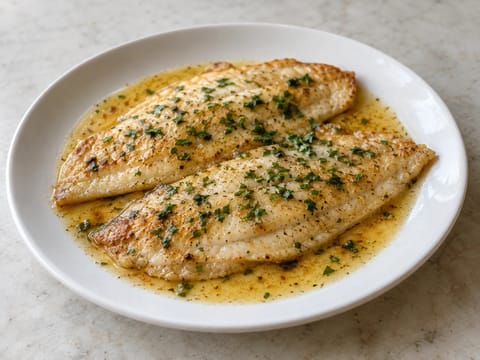
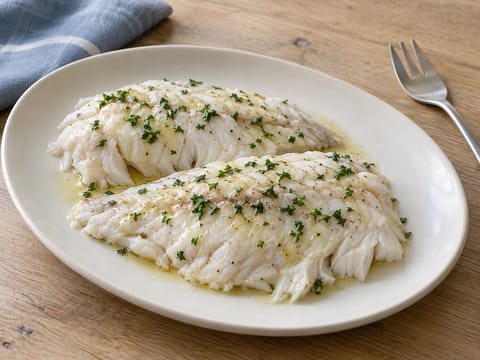
Sole Meunière with Brown Butter
Pan-fried sole finished with brown butter, lemon and parsley
Fine dining at home is a problem of pacing and detail, not just ambitious recipes. The dishes that translate best are those you can cook with control, hold briefly without losing their texture, and finish with a sauce or garnish right before serving. This collection focuses on that kind of restaurant-style polish: clean flavours, deliberate contrasts, and plates that look composed without requiring a professional pass. Use it when you want to cook for guests or mark an occasion, and you would rather plan a calm sequence than attempt too many last-minute elements.
A fine-dining style dish usually has a clear structure: a main element cooked precisely, a supporting component that adds contrast, and a sauce or dressing that ties everything together. Temperature and texture are part of the impression. Crisp skins, silky purées, glossy reductions and chilled, sharp garnishes read as intentional because they require timing and restraint.
Portioning matters too. Smaller servings allow richer sauces, butter finishes and concentrated flavours without the plate feeling heavy. Presentation is not about elaborate carving; it is about neat edges, controlled saucing and a final sprinkle or drizzle that looks fresh. Even simple ingredients can feel refined when the cooking is exact and the finishing is clean.
Pan-fried sole finished with brown butter, lemon and parsley
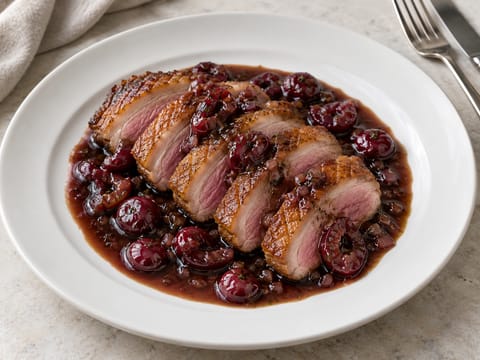
Pan-seared duck with cherry bourbon pan sauce
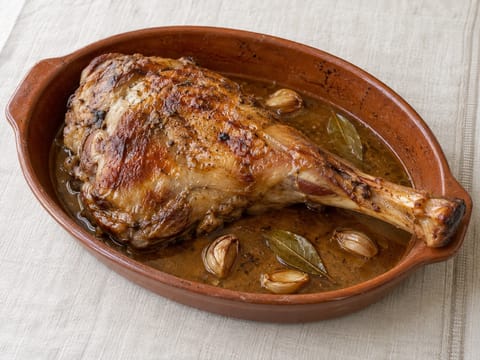
Slow-roasted lamb with garlic, bay leaves and pan juices
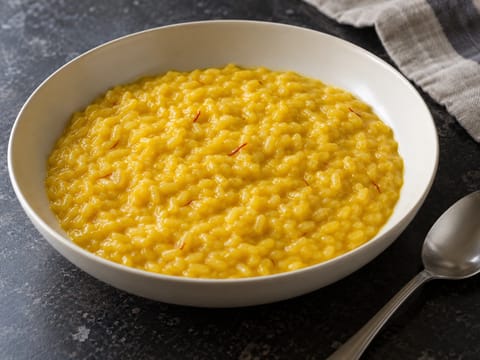
Saffron risotto enriched with bone marrow and Parmesan
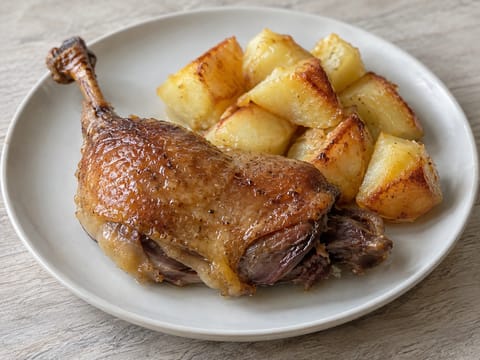
Duck leg confit with garlic, thyme and crisp skin
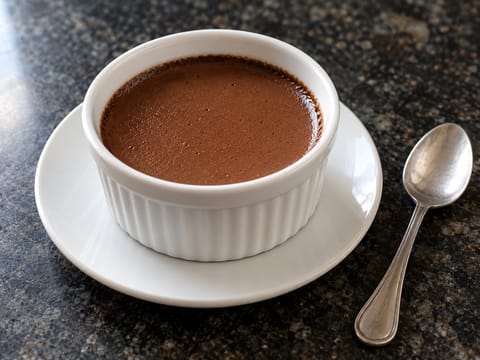
Silky baked chocolate custards chilled until spoonable
Home-friendly fine dining often leans on a few repeatable techniques: pan-searing and basting, roasting with careful resting, and building quick sauces from the pan. You may also see chilled starters or desserts that can be made ahead, which takes pressure off the final hour.
Contrast is a common thread. A rich main might be paired with something bitter or acidic, such as chicory, citrus, capers or a sharp vinaigrette. Crunch is often added late, with toasted nuts, crisped breadcrumbs or delicate tuiles, because it is the first texture to suffer if it sits. The most workable recipes are those where the ‘special’ element is concentrated in one component, rather than spread across many fragile steps.
Whole sea bream baked in a coarse salt crust with lemon
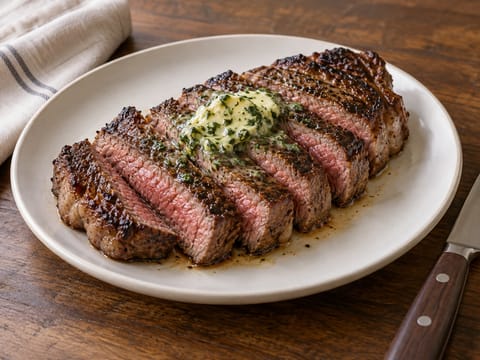
Pan-seared strip steak topped with quick parsley herb butter
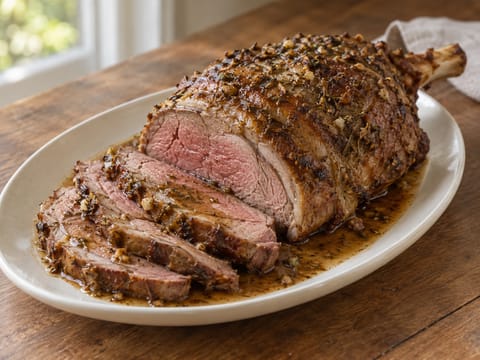
Roast leg of lamb with garlic, rosemary and Dijon sauce
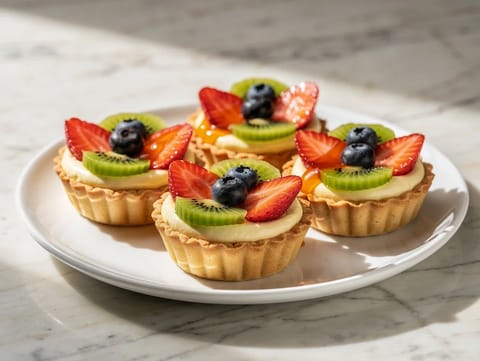
Shortcrust tartlets with vanilla pastry cream and fresh fruit
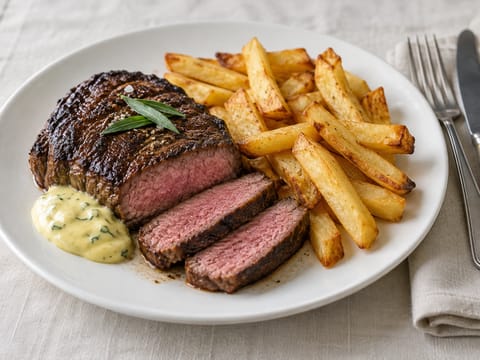
Rump steak with oven chips and warm béarnaise
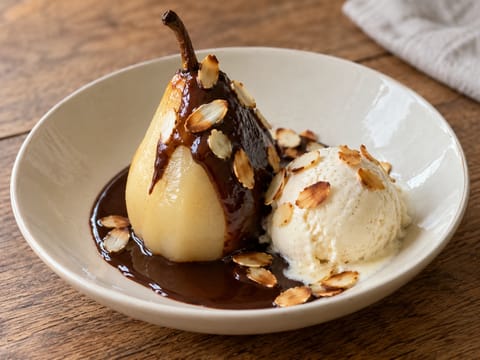
Poached pears with chocolate sauce, ice cream and toasted almonds
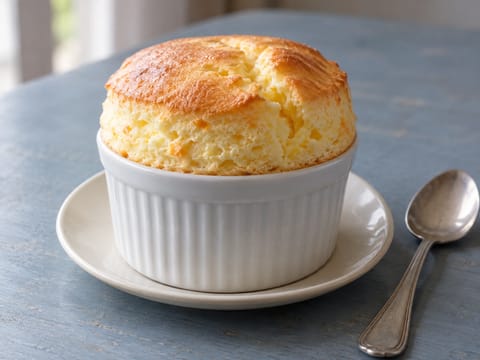
French Grand Marnier soufflé, baked tall and airy

French almond financiers with browned butter and vanilla
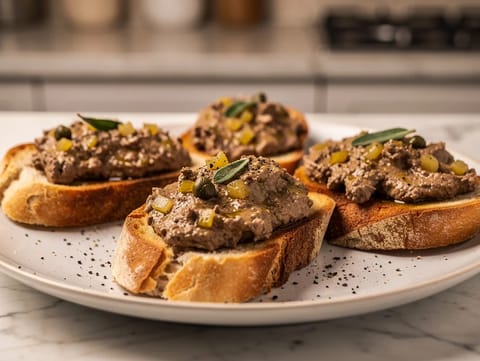
Toasted bread topped with rich chicken liver and capers
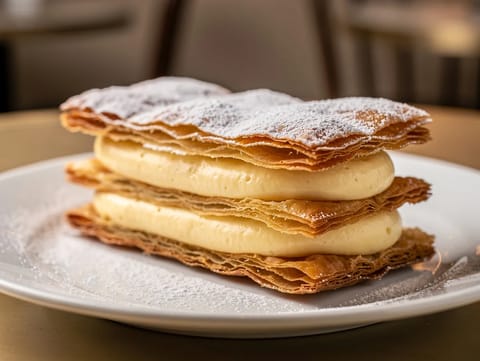
Puff pastry layers filled with thick vanilla custard
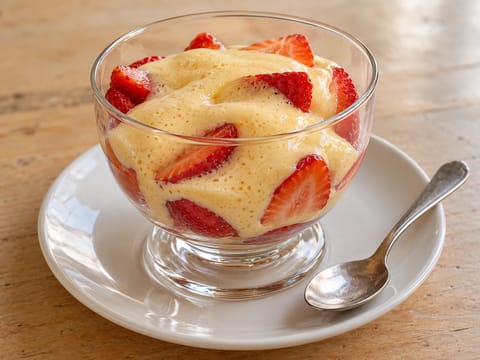
Warm Marsala custard served over fresh strawberries
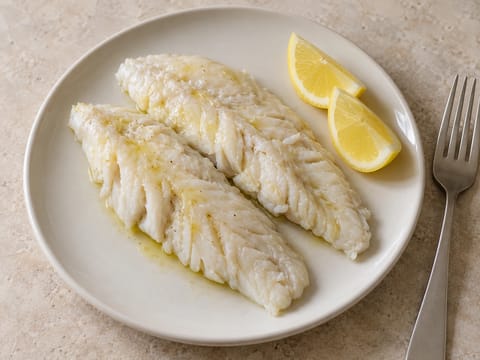
Sea bass baked in a coarse sea-salt and egg-white crust
Keep the menu tight. A starter that can be plated cold or at room temperature buys you time for a precisely cooked main. For the main course, choose one element that needs close attention, such as fish or a steak, and pair it with sides that can be held warm, such as a purée, roasted vegetables or a gratin.
Sauces and garnishes are where fine dining often lives, so plan them deliberately. Make the sauce base ahead if possible, then reheat and finish with butter, herbs or acidity just before serving. Leave crunchy toppings until the last moment. If you want a dessert, consider one that can be portioned cleanly and finished with a simple garnish, so the evening ends as smoothly as it began.
Occasion is a natural next step when you want the menu to match the reason you are cooking, from an anniversary dinner to a small celebration. Cooking time helps you choose dishes that feel refined without forcing every course into the same last-minute window.

Soft Roman buns split and filled with whipped cream
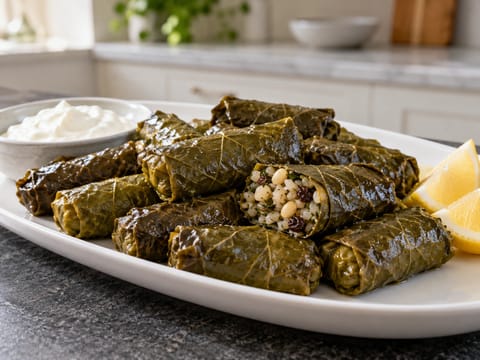
Grape leaves stuffed with herby rice, pine nuts and currants
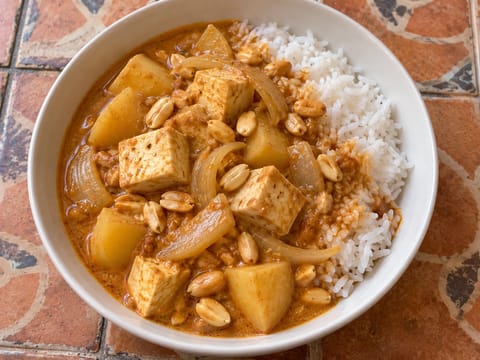
Vegan Massaman tofu curry with potatoes, coconut milk and peanuts
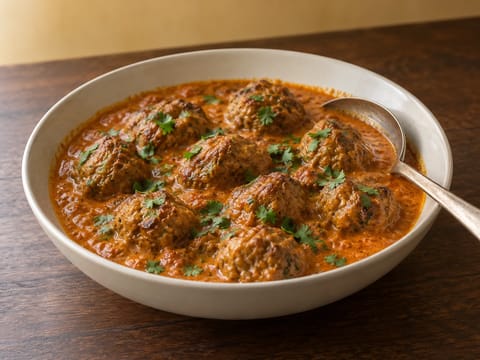
Spiced beef koftas simmered in tomato and yoghurt gravy
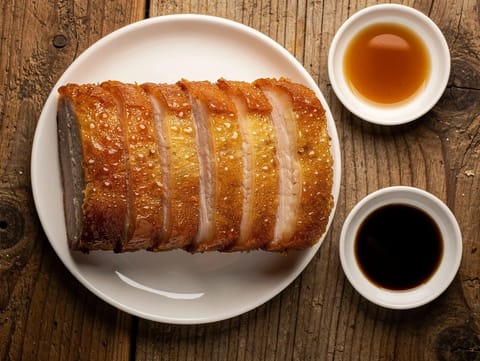
Roast pork belly with tender meat and crisp, puffed crackling
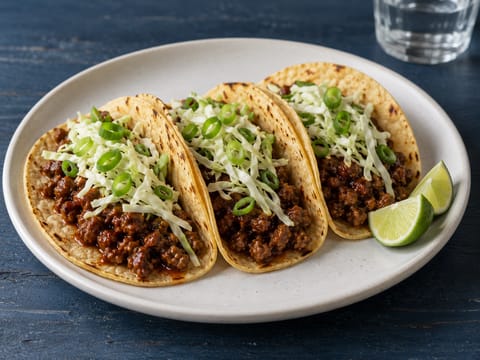
Korean-style beef tacos with cabbage, spring onions and gochujang
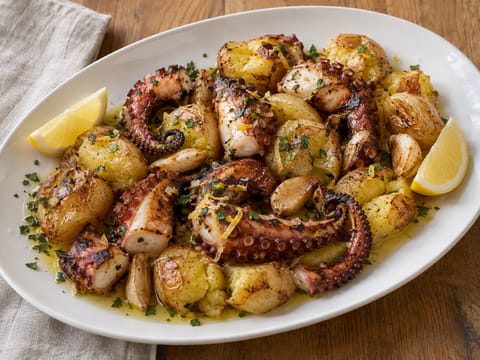
Portuguese octopus roasted with potatoes, garlic, bay and olive oil
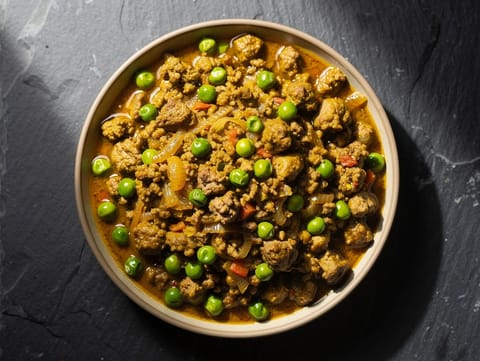
Minced lamb and pea curry simmered in onion and tomato masala
Not usually. Careful heat control, a good pan, and attention to timing do more than gadgets. Some recipes may use specific tools, but many rely on standard hob-and-oven techniques.
A well-made sauce and a clean finish. A glossy pan sauce, a bright herb oil, or a sharp dressing can make the plate feel composed, especially when added right before serving.
Choose a menu with make-ahead components and only one or two elements that need last-minute attention. Build in resting time for meats and keep sides that hold well.
It matters, but it can be simple. Neat portioning, controlled saucing and a fresh garnish are usually enough. Overcrowding the plate is what most often makes food look less refined.
It can. Look for recipes where the main and sauce share a pan, and choose sides that roast on a tray. Save elaborate multi-pot components for when you genuinely want that project.
If the main is buttery or sauce-heavy, keep the starter lighter and sharper. If the starter is rich, make the main cleaner and add freshness through vegetables and acidity.
A fine-dining feel comes from control: one precise main element, one strong sauce, and a garnish that tastes fresh. Plan the sequence so you can serve each course at its best.
